Basset Hound at a Glance: Quick Facts

Temperament
Affectionate, sweet-natured, gentle, loyal, easygoing, mild-mannered, playful, charming, intelligent, often stubborn and independent. Can be wary of strangers but warm up quickly. High prey drive.

Height
Males: 12-15 inches (at shoulder); Females: 11-14 inches (at shoulder)

Weight
Males: 55-75 pounds; Females: 44-64 pounds

Lifespan
10-13 years

Grooming Needs
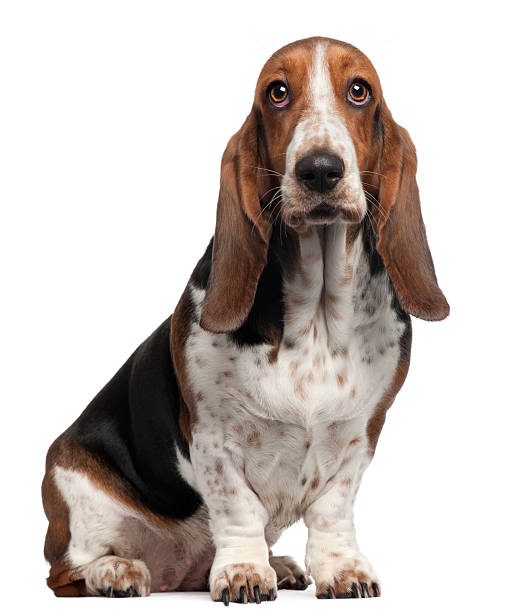
Moderate. Weekly brushing (year-round shedding), occasional bathing, regular nail trims (1-2x/month), weekly ear cleaning (prone to infections), daily facial wrinkle cleaning, daily dental care.

Exercise Level
Low to Moderate. Prone to weight gain. Requires at least 30-60 minutes of daily activity (walks + playtime) to stay healthy and prevent laziness.

Good With
Children (tend to get along well), other dogs (tend to get along well), cats (friendly and non-intimidating with proper socialization), novice owners (high adaptability, but training consistency is key).

Shedding Level
Moderate to Heavy (year-round)
The Soul of a Basset Hound: Temperament and Personality
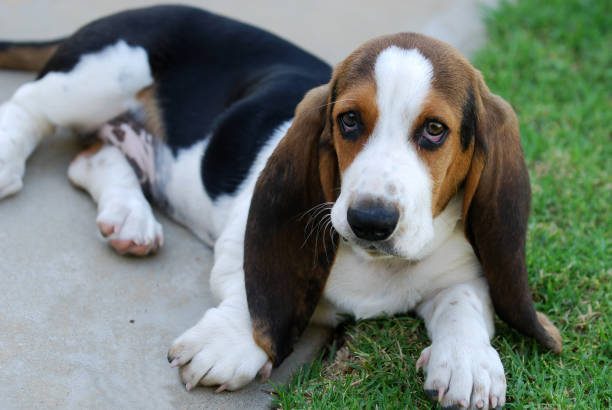
The Basset Hound’s personality is as distinctive as its appearance. These dogs are renowned for being incredibly affectionate, sweet-natured, and remarkably patient, making them excellent companions for families and individuals alike. They typically possess a laid-back, mild-mannered, and calm demeanor, often enjoying a good nap as much as a gentle stroll. Their droopy ears and soulful eyes only add to their endearing charm, making them appear perpetually wistful and lovable.
While generally easygoing, Basset Hounds also possess an independent streak and a notable stubbornness, a remnant of their hunting heritage. They are highly intelligent, ranking around 71st among dog breeds in terms of intellect, but their one-track mind, especially when following an interesting scent, can make training a delightful challenge. Bassets tend to get along wonderfully with children and other dogs, thriving in a household where they receive plenty of attention. However, their high prey drive means that extra training and early socialization are crucial if they are to coexist peacefully with smaller household pets like cats or rabbits. With strangers, they might initially be wary and prone to barking to alert you, but a well-socialized Basset Hound will usually warm up quickly once introduced, eager to make a new friend. They are devoted to their families and make wonderful companions, content to be by your side, whether on the couch or exploring the yard.
Is a Basset Hound Right For Your Family & Lifestyle?
Choosing a Basset Hound means embracing a unique set of traits that will define your shared life. Their easygoing nature makes them adaptable, but their specific needs are important to consider to ensure a harmonious match.
A Basset Hound is an ideal companion for:

First-time dog owners: Despite their occasional stubbornness, Basset Hounds are considered one of the best breeds for new owners due to their generally good-natured and affectionate disposition. Consistency in training is key.
Families with children and other pets: Bassets are typically friendly and non-intimidating, often getting along great with well-behaved children and other dogs. With proper socialization, they can even coexist peacefully with cats.
Apartment dwellers or homes with smaller yards: Their lower energy level means they can adapt well to various living situations, including apartments, provided they receive their necessary daily exercise and mental stimulation.
Owners who appreciate a calm, laid-back companion: If you enjoy a relaxed pace and a dog that's content to cuddle on the couch after a walk, a Basset Hound's easy-going demeanor might be perfect for you.
You might want to reconsider a Basset Hound if:

You're seeking a highly active running or hiking partner: While they enjoy walks and playtime, Basset Hounds are not built for endurance and prefer a more leisurely pace. They can be quite lazy if not encouraged to exercise.
You're unprepared for their vocal tendencies: Basset Hounds are known for barking, howling, and baying, especially when following a scent or feeling neglected. This can be a nuisance for close neighbors or quiet living environments.
You prefer a dog with minimal shedding: Bassets shed moderately to heavily year-round, requiring regular brushing to keep their coat healthy and minimize loose fur in your home.
You are sensitive to dog odors or drool: Their abundance of skin folds can trap moisture and debris, leading to a "houndy" odor if not cleaned regularly. They are also known for excessive drooling due to their large jowls.
Caring for Your Basset Hound: Needs & Recommendations
Providing proper care for your Basset Hound is essential for their health, happiness, and longevity. These dogs have specific needs related to their unique physical characteristics and temperament.
Basset Hounds have a tendency to gain weight, especially given their lower activity levels. It's crucial to feed them a high-quality dog food appropriate for their age, size, and activity level. Pay close attention to portion sizes and avoid free-feeding to prevent obesity, which can exacerbate joint problems. Consult with your veterinarian to determine the best diet plan and monitor their weight regularly. Treats should be given in moderation and factored into their daily caloric intake.
Despite their reputation as "couch potatoes," Basset Hounds do need regular exercise to stay healthy and happy. Aim for at least 30 to 60 minutes of daily activity. This can include:
- Daily walks: Two moderate-paced walks per day are usually sufficient. Keep them on a leash, as their strong prey drive and scent-following instincts mean they will likely ignore recall commands if they pick up an interesting trail.
- Playtime: Engaging in games of fetch in a securely fenced yard or offering puzzle toys can provide mental and physical stimulation.
- Short romps: While they don't tolerate extreme temperatures well, individual Bassets may enjoy short periods of outdoor play in moderate weather. Remember they are sensitive to both heat and cold.
Adequate exercise helps manage their weight, prevents destructive behaviors from boredom, and supports their overall well-being.
The Basset Hound’s short, dense coat sheds moderately to heavily year-round, so regular grooming is a must.
- Coat Care: Brush their coat weekly, or a few times a week, with a rubber curry brush or a shedding blade to remove loose hair and distribute natural oils. Occasional bathing, as needed, will keep them clean.
- Nail Trims: Their nails grow quickly and should be trimmed once or twice a month to prevent them from becoming too long, which can cause discomfort and impact their gait.
- Ear Care: Basset Hounds are famous for their long, droopy ears, which unfortunately make them prone to ear infections. Check their ears weekly and clean them thoroughly but gently with a veterinarian-approved ear cleaner. Ensure they are completely dry after cleaning or bathing.
- Facial Wrinkles: These charming wrinkles can trap moisture and debris. Gently clean their facial folds daily with a damp cloth and ensure they are kept dry to prevent skin irritation or infection.
- Dental Care: Daily brushing of their teeth is highly recommended to prevent dental diseases, which can also contribute to bad breath. Regular professional dental cleanings by a vet are also important.
Drool Management: Keep a "drool cloth" handy! Basset Hounds are known for their excessive drooling due to their loose jowls.
Training a Basset Hound requires patience, consistency, and a good sense of humor. They are intelligent dogs, but their independent nature and powerful sense of smell can lead to stubbornness and easy distraction.
- Early Socialization: Expose your Basset Hound puppy to a variety of sights, sounds, people, and other dogs from a young age. This helps them develop into well-adjusted adults, especially given their initial wariness towards strangers.
- Positive Reinforcement: Basset Hounds respond best to positive reinforcement methods, using treats, praise, and play. Harsh corrections will likely lead to them shutting down.
- Consistency is Key: Due to their stubborn streak, consistent training sessions are vital. Enroll in puppy training classes; they offer not only structured learning but also excellent opportunities for socialization and bonding. Many first-time owners find these classes invaluable.
- House-Training: Basset Hounds can be hard to potty train. Be prepared for a patient approach, consistent schedules, frequent potty breaks, and immediate rewards for success. Their distractibility means you’ll need to reinforce good habits diligently.
Leash Training: Given their strong prey drive, leash training is paramount. They should only be let off-leash in securely fenced areas, or if they are trained hunting dogs actively tracking with you, as their desire to follow a scent will override recall commands.
Health & Lifespan: What to Expect
Basset Hounds generally enjoy a lifespan of 10 to 13 years. While they are a relatively robust breed, they are predisposed to certain health conditions that prospective owners should be aware of. Responsible breeding practices play a crucial role in minimizing the risk of inherited diseases.
Common health concerns include:
- Joint Issues: Like many breeds, they can be prone to elbow dysplasia and hip dysplasia. Their long, low bodies also make them susceptible to back problems (intervertebral disc disease) in older age, similar to Dachshunds. Maintaining a healthy weight is vital to prevent these issues from being exacerbated.
- Hypothyroidism: An underactive thyroid gland, which can affect metabolism and energy levels.
- Luxating Patella: A condition where the kneecap slips out of place.
- Bleeding Disorders: Certain clotting disorders can occur.
- Glaucoma: An eye condition characterized by increased pressure within the eye, which can lead to vision loss.
- Bloat (Gastric Dilatation-Volvulus - GDV): As a barrel-chested breed, Basset Hounds are at a higher risk for this dangerous and potentially fatal condition where the stomach fills with gas and can twist. Owners should be aware of the symptoms (e.g., distended abdomen, unproductive retching) and understand how to reduce risk factors, such as avoiding vigorous exercise right after meals.
- Ear Infections: Their long, heavy, droopy ears limit air circulation, making them highly susceptible to ear infections. Regular cleaning and drying are essential.
- Skin Fold Dermatitis: Moisture and debris can accumulate in their skin folds, leading to irritation or infection if not cleaned and dried regularly.
- Dental Issues: Poor dental hygiene can lead to painful dental diseases, which can also contribute to their "houndy" odor.
Reputable breeders will screen their breeding dogs for many of these preventable issues. When choosing a Basset Hound puppy, ask about the health and genetic history of both parents and inquire about any health tests or clearances. The national breed club often recommends specific tests, such as an MPS1 test, an ophthalmologist evaluation, and a thrombopathia genetic test, at a minimum.
The History of the Basset Hound: From France to Your Home
The Basset Hound boasts a rich and storied history, primarily rooted in France. The breed's name, "Basset," is derived from the French word "bas," meaning "low," a fitting description for their characteristic short stature. While the modern Basset Hound is French in origin and was particularly popular among French aristocrats for hunting, the lineage of short-legged hunting dogs can be traced back as far as ancient Egypt. Scenthounds with remarkable tracking abilities were also utilized in the Roman Empire, underscoring a long tradition of dogs prized for their noses.
Developed primarily to hunt small game like rabbit and hare, the Basset Hound's low-slung body allowed them to easily navigate dense underbrush, while their incredible sense of smell—second only to the Bloodhound—made them unparalleled trackers. Their slow, deliberate pace enabled hunters to follow on foot, a stark contrast to faster scent hounds. The breed made its way to the United States and was officially recognized by the American Kennel Club (AKC) in 1885 as a member of the Hound Group. The Basset Hound Club of America was founded in 1935, further solidifying the breed's presence and popularity across the nation. From ancient hunting companions to beloved household pets, the Basset Hound's journey is a testament to their enduring charm and capabilities.
Meet Our Available Basset Hound Puppies
Ready to find your new best friend? At PuppyGuyz, we work with ethical breeders to bring you the healthiest, happiest Basset Hound puppies. Click below to explore our current selection of adorable Basset Hounds waiting to bring joy to your home!

Cavapoo - Rosie
$2,350.00

Cavapoo - King
$2,350.00

Yorkshire Terrier - Roscoe
$2,400.00

Yorkshire Terrier - Sylvia
$2,400.00

Toy Poodle - Beth
$2,750.00

Toy Poodle - Billy
$2,750.00

Mini Dachsund - Olivia
$2,650.00

Mini Dachsund - Lulu
$3,350.00
Find a Basset Hound Near You
PuppyGuyz offers nationwide home delivery, making it easy to find your perfect Basset Hound puppy no matter where you are. We connect you with trusted breeders across the country. Here are some of the major US states where we often have Basset Hound puppies available or can facilitate delivery:
Looking for a Basset Hound in your area? We deliver healthy, well-socialized puppies to families across the United States. Explore our available puppies by state to find the perfect addition to your family:

Pennsylvania
Ohio
New York
California
Florida
Texas
Your Comprehensive Basset Hound FAQ
Got more questions about Basset Hounds? We've compiled the most comprehensive FAQ section to address all your curiosities about this charming breed.
How long do Basset Hounds live?
Basset Hounds typically have a lifespan ranging from 10 to 13 years, with proper care and nutrition contributing to their longevity.
Do Basset Hounds shed?
Yes, Basset Hounds are moderate to heavy shedders and shed year-round. Regular brushing is essential to manage their shedding.
Are Basset Hounds hypoallergenic?
No, Basset Hounds are not considered hypoallergenic dogs due to their moderate to heavy shedding. They are not the ideal choice for individuals with severe dog allergies.
How big do Basset Hounds get?
Male Basset Hounds typically stand 12 to 15 inches tall at the shoulder, while females range from 11 to 14 inches at the shoulder. They are considered medium to large-sized dogs.
How much do Basset Hounds weigh?
Male Basset Hounds usually weigh between 55 to 75 pounds, and females typically weigh between 44 to 64 pounds.
When do Basset Hounds stop growing?
Basset Hounds are slow-maturing dogs and generally don't reach their full adult size until their second year of life.
Are Basset Hounds smart?
Yes, Basset Hounds are intelligent dogs. While they might appear lazy or stubborn at times, they are capable of learning and rank around #71 on lists of smartest dog breeds. Their intelligence often manifests as clever problem-solving, especially when food or scents are involved.
Do Basset Hounds bark a lot?
On average, Basset Hounds are known for their vocal tendencies. In addition to barking, they frequently howl and bay as a form of communication, particularly when excited, lonely, or on a scent trail.
Are Basset Hounds good dogs?
Absolutely! Basset Hounds are considered wonderful dogs. They are happy, loving, and make excellent family companions, doing well with children and other animals when properly socialized.