
Blue Heeler at a Glance: Quick Facts
Before we dive deep, here is a quick overview of the Blue Heeler key characteristics. This table provides a snapshot of what you can expect from this spirited toy breed.

Temperament
Intelligent, Loyal, Energetic, Protective, Cautious with Strangers

Height
17-20 inches (at the shoulder)

Weight
35-50 pounds

Lifespan
12-16 years

Grooming Needs
Low to Moderate; seasonal heavy shedding

Exercise Level
High; requires a "job" or significant daily activity

Good With
Active families, experienced dog owners, homeowners with a yard

Shedding Level
Moderate; sheds its undercoat seasonally in spring and fall
The Soul of a Blue Heeler: Temperament and Personality
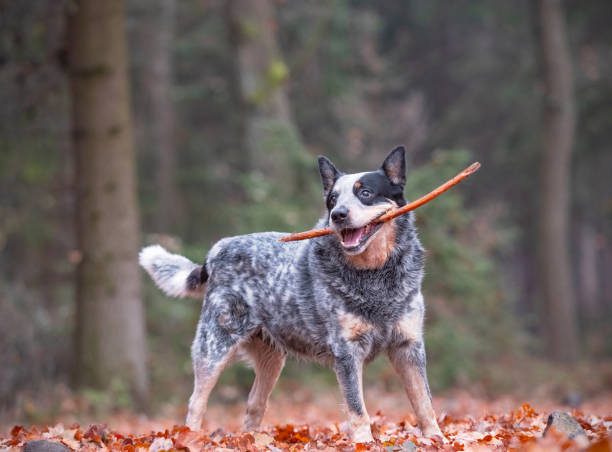
To understand a Blue Heeler is to understand a canine mind of profound intelligence and dedication. Ranked among the top 10 smartest dog breeds, the ACD possesses an almost uncanny ability to learn, problem-solve, and anticipate its owner's commands. This intelligence, however, is a double-edged sword; a bored Heeler is a mischievous Heeler. They require constant mental stimulation in the form of training, puzzle toys, or tasks to be truly happy.
Their loyalty is legendary. Blue Heelers often earn the nickname "velcro dogs" because they form an incredibly strong attachment to their families, often bonding most intensely with one particular person. This devotion makes them fantastic watchdogs; they are naturally cautious and aloof with strangers, always positioning themselves between their family and a potential threat. While this protective nature is admirable, it underscores the critical need for early and consistent socialization to ensure they can distinguish between a friendly visitor and an actual intruder.
With their families, they are affectionate, playful, and endlessly entertaining. They are brave and reliable partners, ready for any adventure you can dream up. Their herding instinct is always just below the surface, which can manifest as a tendency to "herd" children or other pets by nipping at their heels. This behavior, while not malicious, must be managed with training from a young age.
Is a Blue Heeler Right For Your Family & Lifestyle?
The Blue Heeler is a phenomenal dog, but it is not the right fit for everyone. Their high-energy and high-intelligence needs demand a specific type of owner and environment. A brutally honest assessment of your lifestyle is the first step to a successful partnership with an ACD.
A Blue Heeler is an ideal companion for...

Active Individuals & Families: If your weekends are filled with hiking, running, or exploring, a Blue Heeler will be your most enthusiastic participant.
Homeowners with a Fenced Yard: They need space to run and play securely. Apartment living is generally not recommended unless you are exceptionally committed to multiple hours of outdoor exercise daily.
Experienced Dog Owners: First-time owners may find the Heeler's intelligence and energy levels challenging to manage without prior experience.
Those Who Can Provide a "Job": Whether it's formal dog sports like agility and herding, or simply daily training sessions and puzzle-solving, they need tasks to keep their minds engaged.
You might want to reconsider a Blue Heeler if...

You Live a Sedentary Lifestyle: A Heeler will not be content with a short walk around the block. Their exercise needs are non-negotiable.
You Live in a Small Apartment: Confined spaces can lead to frustration, boredom, and destructive behaviors.
You Work Long Hours and Travel Frequently: As "velcro dogs," they do not tolerate being left alone for extended periods and can develop separation anxiety.
You're Not a Fan of Dog Hair: They are moderate shedders year-round and have two major "blowouts" a year where they shed their undercoat profusely.
Caring for Your Blue Heeler: Needs & Recommendations
Owning a Blue Heeler is an active commitment. Meeting their physical and mental needs is the key to a well-behaved and happy companion.
A high-quality dog food formulated for active, medium-sized breeds is essential. Pay close attention to portion control to prevent them from becoming overweight, which can strain their joints. For puppies, a structured feeding schedule is crucial for their development:
- 8-12 weeks: 4 meals per day
- 3-6 months: 3 meals per day
- 6 months and older: 2 meals per day
Always ensure fresh, clean water is available, especially after exercise.
A tired Heeler is a good Heeler. Expect to provide at least 90 minutes to two hours of vigorous exercise and mental stimulation daily. This is not just a suggestion; it's a requirement. Great activities include:
- Long runs or bike rides (once they are fully grown)
- Challenging hikes on varied terrain
- Games of fetch or frisbee in a secure area
- Dog sports like agility, flyball, or herding trials
The Blue Heeler’s short, dense double coat is wonderfully weather-resistant but does require maintenance. They shed moderately year-round, with two heavy shedding seasons in the spring and fall. Weekly brushing with a short-bristle brush or a grooming mitt will help manage loose hair. During shedding season, a shedding blade or undercoat rake will become your best friend. Baths are only needed occasionally. Regular nail trims, weekly ear checks to prevent infections, and consistent dental care are also vital parts of their grooming routine.
Training a Blue Heeler is a joy, as they pick up commands with astonishing speed. The key is to keep it fun, engaging, and challenging, as they bore easily with repetitive tasks. Use positive reinforcement techniques. Early and extensive socialization is paramount to temper their natural wariness of strangers and high prey drive. Expose your puppy to a wide variety of people, places, sounds, and other animals in a controlled and positive way. Puppy training classes are highly recommended for both socialization and learning proper training techniques.
Health & Lifespan: What to Expect
The Blue Heeler is a generally robust and healthy breed with an impressive lifespan of 12 to 16 years. However, like all purebred dogs, they are prone to certain genetic health conditions. Reputable breeders, like those partnered with PuppyGuyz, screen their breeding stock to minimize the risk of passing these issues to their puppies.
Common health concerns include:
- Hip and Elbow Dysplasia: Malformations of the joints that can lead to arthritis.
- Progressive Retinal Atrophy (PRA): A degenerative eye condition that can lead to blindness.
- Deafness: Congenital deafness is a known issue in the breed.
When you choose a puppy from PuppyGuyz, you can be confident that health is a top priority. We provide a comprehensive health guarantee for your peace of mind.
The History of the Blue Heeler: From the Outback to Your Home

The story of the Blue Heeler is a testament to Australian ingenuity. In the 19th century, stockmen in Australia needed a tenacious dog that could handle the harsh climate and vast distances required to herd cattle. They began by crossing imported English herding dogs with the native wild Dingo. The resulting dogs were then further refined with breeds like the Dalmatian and the Black and Tan Kelpie.
The result was the Australian Cattle Dog, a compact, tireless, and intelligent herder. They earned their "Heeler" nickname from their signature style of nipping at the heels of stubborn cattle to move them along. The breed's endurance, work ethic, and loyalty made them indispensable on Australian ranches. The American Kennel Club (AKC) officially recognized the Australian Cattle Dog in 1980, and it has since become a beloved companion for active people worldwide.
Meet Our Available Blue Heeler Puppies
Here you can see the bright, alert, and ready-for-anything Blue Heeler puppies currently looking for their forever homes. Each puppy profile includes photos, parent information, and details about their unique personality. All of our puppies are raised with care and socialized from an early age by our network of dedicated breeders.

Cavapoo - Rosie
$2,350.00

Cavapoo - King
$2,350.00

Yorkshire Terrier - Roscoe
$2,400.00

Yorkshire Terrier - Sylvia
$2,400.00

Toy Poodle - Beth
$2,750.00

Toy Poodle - Billy
$2,750.00

Mini Dachsund - Olivia
$2,650.00

Mini Dachsund - Lulu
$3,350.00
Find a Blue Heeler Near You
PuppyGuyz is proud to offer nationwide delivery, bringing your new best friend right to your doorstep. We have a network of responsible breeders across the country, with a strong presence in states like:
Looking for a Blue Heeler in your area? We deliver healthy, well-socialized puppies to families across the United States. Explore our available puppies by state to find the perfect addition to your family:

Pennsylvania
Ohio
New York
California
Florida
Texas
Your Comprehensive Blue Heeler FAQ
This is the most complete set of answers to your Blue Heeler questions on the web.
What's the difference between a Blue Heeler, a Red Heeler, and an Australian Cattle Dog?
They are all the same breed! "Australian Cattle Dog" is the official breed name. "Blue Heeler" and "Red Heeler" are nicknames that refer to the two accepted coat colors: blue (a blue-gray speckled or mottled pattern) and red (a red speckled pattern).
Are Blue Heeler puppies born white?
Yes! This is one of the most fascinating facts about the breed. Heeler puppies are born with an almost pure white coat, often with their adult patches visible. Their distinctive blue or red speckling begins to appear around four to six weeks of age.
Are Blue Heelers good family dogs?
For the right family, they are excellent. They are incredibly loyal and protective of their family members, including children they are raised with. However, their high energy and herding instincts must be managed, and supervision with small children is always recommended.
Do Blue Heelers shed a lot?
They are considered moderate shedders for most of the year. However, twice a year (typically spring and fall), they "blow" their undercoat and shed quite heavily for a few weeks. Regular grooming can help manage this.
Are Blue Heelers hypoallergenic?
No, Blue Heelers are not hypoallergenic. Their shedding can trigger reactions in people with dog allergies.
Are Blue Heelers aggressive?
They are not inherently aggressive, but they are highly protective and have strong herding instincts. This can be misinterpreted as aggression. They can be wary of strangers and other dogs if not properly socialized from a young age. Their loyalty to their family is their primary driver.
How much exercise does a Blue Heeler puppy need?
While they need a lot of exercise as adults, you must be careful with puppies. A good rule of thumb is five minutes of structured exercise (like a walk) for every month of their age, twice a day. The rest of their activity should be free play to protect their developing joints.
Can a Blue Heeler live in an apartment?
It is strongly discouraged. Blue Heelers need space to roam and burn off their immense energy. An apartment setting can lead to frustration and destructive behavior unless the owner is extremely dedicated to spending several hours outdoors every single day, rain or shine
Can a Blue Heeler be a service dog?
It's possible, but they aren't a common choice. Their high intelligence and trainability are excellent assets for service work. However, their intense energy and natural wariness of strangers can sometimes be a challenge for public access work.