
French Bulldog at a Glance: Quick Facts
To understand the French Bulldog, it helps to see the big picture. This table provides a quick, reliable overview of their core characteristics, compiled from breed standards and expert observations.

Temperament
Affectionate, Playful, Charming, Alert, Easygoing

Height
11-13 inches

Weight
16-28 pounds (males typically heavier than females)

Lifespan
10-12 years

Grooming Needs
Low to Moderate; requires regular wrinkle and ear care

Exercise Level
Low; short walks and indoor play are sufficient

Good With
Singles, couples, seniors, apartment dwellers, families

Shedding Level
Low to Moderate; sheds seasonally
The Soul of a French Bulldog: Temperament and Personality
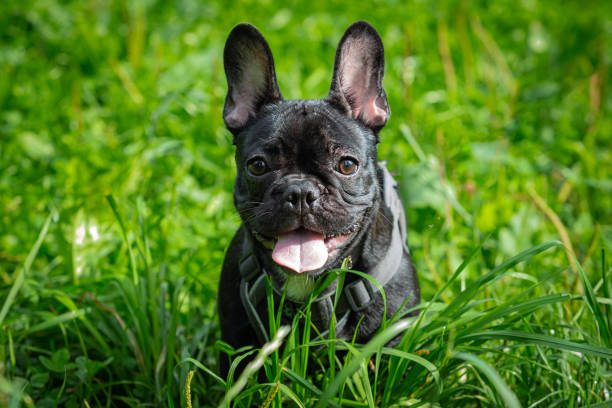
The French Bulldog is, first and foremost, a companion dog. Their personality is a delightful mix of affectionate lap-dog and playful, clownish entertainer. They form incredibly strong bonds with their families and crave being part of every activity, whether it's snuggling on the couch for a movie marathon or "helping" you with your work from a nearby dog bed. While they are not known for being prolific barkers, their alert nature makes them excellent little watchdogs; they will certainly let you know when a visitor arrives.
Frenchies are generally good-natured and get along well with strangers, children, and other pets, especially when socialized from a young age. They possess an intelligence that can sometimes be overshadowed by a stubborn streak. This isn't a sign of defiance, but rather a reflection of their big personalities packed into a small frame. They respond best to positive, patient training that feels like a game. One moment they might be learning a new command with intense focus, and the next they'll be performing a "zoomie" victory lap around the living room. It's this blend of sweet-tempered affection and goofy antics that makes the French Bulldog an endlessly endearing and cherished member of the family.
Is a French Bulldog Right For Your Family & Lifestyle?
The French Bulldog's adaptability makes them suitable for many homes, but their specific needs mean they aren't the perfect fit for everyone. Here’s an honest look at who this breed is—and isn't—best for.
A French Bulldog is an ideal companion for:

Apartment Dwellers:Their small size and low exercise needs make them perfectly suited for city living and homes without large yards.
Individuals or Seniors: Their primary need is companionship, making them a wonderful, manageable friend for a single person or a retired couple.
Families with (Considerate) Children: Their patient and playful nature can be great for kids, but interactions should always be supervised to ensure the dog is handled gently.
People Seeking a Low-Energy Companion: If your idea of exercise is a leisurely stroll around the block followed by an evening on the sofa, a Frenchie will be your perfect partner.
First-Time Dog Owners: Their generally agreeable and easygoing temperament makes them a manageable choice for those new to dog ownership, provided you are prepared for their health and grooming needs.
You might want to reconsider a French Bulldog if:

You're an Avid Hiker or Runner: Frenchies are a brachycephalic (flat-faced) breed and cannot be your partner for strenuous activities. They can easily overheat and have difficulty breathing with overexertion.
You Live in a Very Hot, Humid Climate: Their inability to cool themselves efficiently makes them highly susceptible to heatstroke. They require a climate-controlled indoor environment.
You're Away from Home for Long Stretches:They thrive on being with their people and can be prone to developing separation anxiety if left alone for extended periods.
You're on a Tight Budget: French Bulldogs can be expensive, not just in their initial cost but also in potential veterinary care due to their breed-specific health predispositions.
CCaring for Your French Bulldog: Needs & Recommendations
Proper care is essential to keeping your Frenchie happy and healthy. Their needs are unique, but establishing a consistent routine will make it simple and rewarding.
A high-quality, balanced diet is crucial for maintaining a French Bulldog's muscular build without letting them become overweight, which can strain their joints and worsen breathing issues.
Recommendation: Choose a small-breed formula rich in protein and healthy fats. Portion control is key; follow the feeding guidelines on the bag and adjust based on your dog's age and activity level. Avoid feeding table scraps, which can lead to obesity and digestive upset. Always provide access to fresh, clean water.
Frenchies have low exercise needs, but daily movement is still important for their physical and mental health.
Recommendation: One to two short, leisurely walks per day are usually sufficient. Avoid walking during the hottest parts of the day. Indoor play sessions with favorite toys are a great way to burn off energy. Remember, they cannot swim due to their top-heavy build and must never be left unattended near water.
While their short coat is easy to manage, their other features require special attention.
- Coat: Brush their coat weekly with a rubber grooming mitt or soft-bristle brush to remove loose hair and distribute skin oils.
- Wrinkles: This is the most critical grooming task. At least a few times a week, gently wipe the skin folds on their face with a soft, damp cloth or a vet-approved wipe. It is vital to dry the folds thoroughly afterward to prevent skin irritation and infections.
- Nails: Trim their nails once or twice a month to prevent overgrowth, which can be painful and affect their posture.
- Ears: Their large "bat ears" are prone to collecting dirt. Check them weekly for redness or odor and clean them as needed with a gentle, vet-approved ear cleaning solution.
Training a Frenchie is a lesson in patience and creativity. They are intelligent but can be stubborn.
- Recommendation: Use positive reinforcement techniques with plenty of praise and treats. Keep training sessions short, fun, and game-like to hold their attention. Early and consistent socialization is vital. Expose your puppy to various people, sounds, and environments in a positive way to help them grow into a well-adjusted and confident adult.
Health & Lifespan: What to Expect
French Bulldogs typically live for 10-12 years. While generally robust, their unique anatomy makes them prone to certain health conditions. It's crucial to be aware of these so you can provide proactive care.
Common concerns include:
.
- Brachycephalic Obstructive Airway Syndrome (BOAS): Caused by their short snout, this can lead to breathing difficulties.
- Skin Fold Dermatitis: Infections in their facial wrinkles if not kept clean and dry.
- Eye Conditions: Issues like cherry eye, cataracts, and entropion can occur.
- Joint Problems: Patellar luxation (dislocated kneecap) and hip dysplasia are concerns.
Allergies: They can be prone to food or environmental allergies, often manifesting as itchy skin.
A Critical Safety Warning: French Bulldogs are not natural swimmers. Their short legs and dense, front-heavy build make it impossible for them to stay afloat. A well-fitted life vest is mandatory for any activity near water, and they require constant, direct supervision.
At PuppyGuyz, we work exclusively with breeders who perform comprehensive health screenings on their dogs, significantly reducing the risk of these genetic conditions. When you choose one of our puppies, you're choosing a puppy that has been given the best possible start in life.
The History of the French Bulldog: From England to Your Home

Despite their name, the French Bulldog's story begins in England. They were originally developed as a miniature version of the English Bulldog. During the Industrial Revolution in the mid-1800s, lace workers from Nottingham, who were fond of these smaller Bulldogs, emigrated to France for work, taking their beloved companions with them.
In France, the little Bulldogs quickly gained popularity. Breeders there began crossing them with other breeds, possibly Pugs and local Terriers, to refine their temperament and develop their now-famous "bat ears," a departure from the "rosebud" ears of their English ancestors. The breed, now known as the Bouledogue Français, became a fashionable companion for everyone from Parisian society ladies to artists. Wealthy Americans on tour in Europe fell in love with the breed and brought them back to the United States, leading to their official recognition by the American Kennel Club in 1898.
Meet Our Available French Bulldog Puppies
Your new best friend is waiting. Each PuppyGuyz French Bulldog is raised with love and care, ready to bring joy and laughter into your home. Below you'll find our available puppies, complete with photos and details. We provide safe, nationwide home delivery to bring them directly to you.

Standard Poodle - Baxter
$2,450.00

Mini Bernedoodle - Paddy
$2,450.00

English Bulldog - Gunther
$4,000.00

Chihuahua - Winston
$2,650.00

Chihuahua - Mikey
$2,650.00

Cavapoo - Wallace
$2,350.00

Boxer - Mike
$2,400.00

Boxer - Bruiser
$2,400.00
Find a French Bulldog Near You
While we offer delivery to all contiguous US states, we have strong networks of responsible breeders and are particularly active in the following areas:
Looking for a French Bulldog puppy in your area? We deliver healthy, well-socialized puppies to families across the United States. Explore our available puppies by state to find the perfect addition to your family:

California
Ohio
New York
New Jersey
Florida
Texas
Your Comprehensive French Bulldog FAQ
We've compiled and answered the most common questions about French Bulldogs, using insights from across the web to create the most complete resource available.
Do French Bulldogs shed?
Yes. While they are considered a low-to-moderate shedding breed because they lack an undercoat, they do shed. You'll notice it most during seasonal changes in the spring and fall. Regular weekly brushing can help manage the loose hair effectively.
How big do French Bulldogs get?
A full-grown French Bulldog typically stands 11 to 13 inches tall at the shoulder. Their compact size makes them ideal for apartment living.
How much do French Bulldogs weigh?
On average, they weigh under 28 pounds. Males are generally a bit heavier, weighing between 20 and 28 pounds, while females typically weigh between 16 and 24 pounds.
Are French Bulldogs hypoallergenic?
No, French Bulldogs are not hypoallergenic. No dog is truly 100% hypoallergenic. Allergies are caused by dander (dead skin cells), not the hair itself. While Frenchies don't shed excessively, they still produce dander that can trigger allergies.
Are French Bulldogs smart?
Yes, they are an intelligent breed. However, they are also known for their stubborn streak, which can sometimes be mistaken for a lack of intelligence. They are quick learners but respond best to fun, engaging, and positive training methods.
Are French Bulldogs good with kids?
Generally, yes. Frenchies have a friendly, patient disposition that makes them wonderful companions for children. That said, all interactions between dogs and young children should be supervised to ensure both are respectful and gentle with one another.
Are French Bulldogs aggressive?
French Bulldogs are not known to be an aggressive breed. They were bred specifically for companionship. Like any dog, however, they can become territorial over their food or favorite person if not properly socialized from a young age.
Do French Bulldogs bark a lot?
No, they are not typically big barkers. They are generally quiet dogs, but they are alert and will bark to let you know someone is at the door or if something unusual catches their attention, making them effective little watchdogs.