Miniature Poodle at a Glance: Quick Facts
Highly intelligent, cheerful, sensitive, eager to please, playful, adaptable, protective watchdog. 10-15 inches (at the shoulder) 10-20 pounds 12-15 years High; daily brushing, professional grooming every 4-6 weeks, regular ear cleaning, nail trims, and daily teeth brushing. High; requires significant daily activity (at least 1-1.5 hours), thrives on walks, playtime, and mental stimulation. Older children (due to small size), other dogs (when well-socialized), strangers (generally friendly once accustomed). Low (considered hypoallergenic)
Temperament

Height

Weight

Lifespan

Grooming Needs

Exercise Level

Good With

Shedding Level
The Soul of a Miniature Poodle: Temperament and Personality
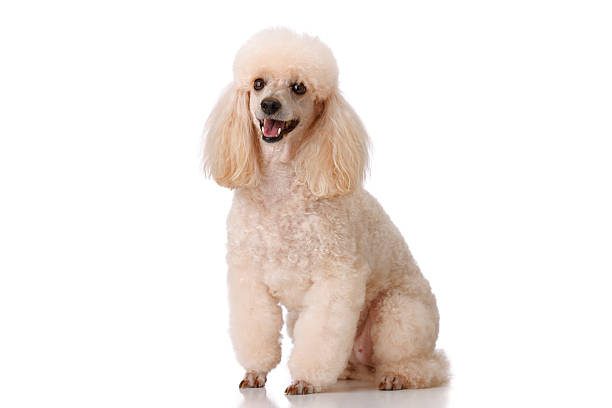
The Miniature Poodle is much more than just a pretty face; they possess a complex and captivating personality that makes them truly stand out. At their core, Miniature Poodles are highly intelligent dogs, consistently ranking among the smartest breeds. This innate cleverness makes them exceptionally easy to train and remarkably eager to please their human companions. They absorb new commands and tricks with impressive speed, often delighting owners with their quick grasp of concepts.
Beyond their intellect, Miniature Poodles are known for their cheerful and sensitive nature. They form deep bonds with their families and thrive on companionship, often displaying an almost empathetic understanding of their owner's moods. While generally friendly and well-disposed towards strangers and other pets when properly socialized from a young age, they can exhibit a protective streak over their home. Their "watchdog" instincts mean they are likely to alert you with barks if someone approaches the property, though their primary interest quickly shifts to making new friends. Their playful and athletic side is also prominent; despite their refined appearance, they love engaging in games and various activities. This combination of brains, charm, and spirited energy makes every day with a Miniature Poodle an engaging and rewarding experience.
Is a Miniature Poodle Right For Your Family & Lifestyle?
Deciding to welcome a Miniature Poodle into your home is a significant commitment. While they offer immense joy and companionship, they also come with specific needs that must align with your lifestyle. Here’s an honest look at whether a Miniature Poodle is the perfect fit for you:
A Miniature Poodle is an ideal companion for:

First-Time Dog Owners: Their high intelligence and eagerness to please make them one of the best dog breeds for individuals or families new to dog ownership. They are generally forgiving of minor training mistakes, especially when approached with positive reinforcement.
Families with Older Children: While they are inherently good with children, their delicate size means they might be better suited for homes where children are old enough to understand gentle play and proper interaction with a small dog. Close supervision is always recommended when young children and puppies interact.
Apartment Dwellers: Miniature Poodles are highly adaptable and can thrive in apartment settings, provided their exercise and mental stimulation needs are met. They are happy living in smaller spaces as long as they get their daily outdoor adventures.
Active Individuals or Families: Despite their size, Miniature Poodles are energetic and athletic. They love engaging in various activities beyond basic walks, such as fetch, swimming, hiking, or even dog sports. Owners who enjoy an active lifestyle will find a willing and enthusiastic canine partner.
You might want to reconsider a Miniature Poodle if:

You Have a Hectic Schedule and Little Time for Companionship: Miniature Poodles are people-oriented dogs and do not cope well with being left alone for extended periods. They can develop separation anxiety or destructive behaviors if consistently deprived of human interaction.
You Prefer a "Low-Maintenance" Grooming Routine: Their iconic curly or corded coat, while beautiful and low-shedding, demands significant grooming. Daily brushing and regular professional grooming are non-negotiable to prevent matting and maintain skin health.
You Are Unprepared for Regular Barking: While intelligent and trainable, Miniature Poodles are known to be vocal. They make good watchdogs by alerting you to new arrivals, but without proper training, this barking can become excessive.
You Prefer Harsh Training Methods: Miniature Poodles are sensitive to harsh tones and training methods. They respond much better to consistent, positive reinforcement and can lose respect or become withdrawn if treated harshly.
Caring for Your Miniature Poodle: Needs & Recommendations
Providing proper care is essential for your Miniature Poodle's health and happiness. These intelligent and active dogs thrive on a consistent routine that addresses their specific dietary, exercise, grooming, and training needs.
A high-quality, balanced diet is crucial for your Miniature Poodle's overall health. Choose a premium dog food that is appropriate for their age (puppy, adult, senior) and activity level. Look for formulas with real meat as the primary ingredient and avoid those with excessive fillers, artificial colors, or by-products. Due to their moderate activity level, ensure their diet provides adequate energy without leading to weight gain, which can exacerbate potential health issues like patellar luxation. Fresh water should always be available. Consult your veterinarian for personalized dietary recommendations, especially if your Poodle has any specific health concerns or allergies.
Miniature Poodles are surprisingly energetic for their size and require a good amount of daily exercise to stay physically and mentally fit. Daily walks, coupled with active playtime, are usually sufficient. Aim for at least one to one and a half hours of exercise per day, which can be broken into multiple sessions. They enjoy games of fetch, short jogs (once fully grown and cleared by a vet), and even swimming. Their intelligence and athleticism also make them excellent candidates for various dog sports like agility, obedience, and tracking. These activities not only burn off physical energy but also provide crucial mental stimulation, preventing boredom and potential behavioral issues. Always ensure your Poodle has access to vet clearance before engaging in strenuous activities.
The Miniature Poodle's curly coat is often lauded for being low-shedding and hypoallergenic, but this benefit comes with a high grooming commitment. Their dense, non-shedding fur is prone to tangling and matting if not maintained regularly. Daily brushing is essential to prevent mats and distribute natural oils. Beyond brushing, professional grooming every four to six weeks is highly recommended to keep their coat healthy and trimmed. If you prefer to keep their coat clipped short, you might be able to brush them a few times a week, but professional trims are still necessary.
In addition to coat care, routine hygiene includes:
- Nail Trims: Trim nails once or twice monthly to prevent overgrowth, which can cause pain and lead to paw problems.
- Ear Cleaning: Miniature Poodles have floppy ears that can trap moisture, dirt, and debris, making them susceptible to ear infections. Check their ears weekly and clean them carefully as needed with a vet-approved solution.
- Dental Care: Daily tooth brushing is vital to prevent tartar buildup, tooth decay, and gum disease. Supplement home brushing with professional dental cleanings at your vet's office when recommended.
Miniature Poodles are highly intelligent and eager to please, making them a joy to train. Their quick learning ability means they typically respond well to positive reinforcement methods, such as praise, treats, and toys. Consistency is key, and they thrive in environments where training is fun and engaging. They are sensitive dogs and do not respond well to harsh training methods or sharp tones; such approaches can hurt their feelings, cause them to lose respect, and become withdrawn.
Early socialization is crucial for Miniature Poodles to ensure they grow into well-adjusted adults. Expose your puppy to a variety of sights, sounds, people, and other well-vaccinated dogs in a positive and controlled manner. This helps them develop confidence and good manners. Their intelligence also makes them excellent candidates for advanced obedience or trick training, which provides ongoing mental stimulation they crave. Potty training is often effective and quick due to their intelligence and desire to please.
Health & Lifespan: What to Expect
While Miniature Poodles are generally a healthy breed, like all purebred dogs, they can be predisposed to certain genetic health conditions. Understanding these potential issues allows prospective owners to make informed decisions and work with reputable breeders who prioritize health screening. The average lifespan for a Miniature Poodle is typically between 10 and 18 years.
Common concerns include:
- Hip Dysplasia: A malformation of the hip joint that can lead to arthritis and lameness.
- Epilepsy: A neurological disorder that causes seizures.
- Eye Disorders: Including Progressive Retinal Atrophy (PRA), which can lead to blindness.
- Von Willebrand's Disease: A hereditary bleeding disorder.
- Patellar Luxation: A condition where the kneecap slips out of place.
- Legg-Calve-Perthes Disease: A degenerative disease of the hip joint.
A responsible and ethical breeder will conduct thorough health and genetic screenings on their breeding dogs to minimize the risk of passing on these hereditary conditions to puppies. For Miniature Poodles, the National Breed Club recommends specific health evaluations, including a PRA Optigen DNA test, patella evaluation, ophthalmologist evaluation, and hip evaluation, at a minimum. When choosing a Miniature Poodle puppy, it is paramount to ask the breeder about the health history of both parents and inquire about any health clearances or tests that have been performed. This commitment to transparency and health testing is a hallmark of a trustworthy breeder and a critical step in ensuring your future companion lives a long, healthy life.
The History of the Miniature Poodle: From Germany to Your Home
The Poodle, in its various sizes, is one of the oldest and most distinguished dog breeds, with roots tracing back to Germany rather than France, as commonly believed. The breed was originally developed as a highly skilled waterfowl retriever, its curly, dense coat acting as insulation in cold water and its intelligence making it adept at complex tasks. The name "Poodle" itself is derived from the German word "Pudel" or "Pudelin," meaning "to splash in the water."
While the Standard Poodle was the original size, breeders began intentionally developing smaller versions in the 1400s, leading to the creation of the Miniature Poodle. It is believed that this mini version primarily originated in France, where it quickly became a beloved companion, particularly among the nobility. So much so, that the Poodle eventually earned the distinction of being the national dog of France. The American Kennel Club (AKC) officially recognized both the Standard and Miniature Poodles as part of the Non-Sporting Group in 1887, cementing their place as a cherished and versatile breed. Today, the Miniature Poodle continues its legacy as an elegant, intelligent, and affectionate companion, bringing centuries of history and charm into modern homes.
Meet Our Available Miniature Poodle Puppies
Ready to find your perfect furry family member? Our dynamic puppy gallery showcases all of our adorable Miniature Poodle puppies currently looking for their forever homes. Each puppy comes from an ethically vetted breeder and is ready to bring joy and companionship to your life. Browse their individual profiles to learn more about their unique personalities and traits!

Standard Poodle - Baxter
$2,450.00

Mini Bernedoodle - Paddy
$2,450.00

English Bulldog - Gunther
$4,000.00

Chihuahua - Winston
$2,650.00

Chihuahua - Mikey
$2,650.00

Cavapoo - Wallace
$2,350.00

Boxer - Mike
$2,400.00

Boxer - Bruiser
$2,400.00
Find a Miniature Poodle Near You
PuppyGuyz is proud to offer safe and convenient nationwide delivery, bringing your new Miniature Poodle puppy directly to your home, no matter where you are. We work with responsible breeders across the country to ensure you have access to a wide selection of healthy, happy puppies.
Looking for a Miniature Poodle puppy in your area? We deliver healthy, well-socialized puppies to families across the United States. Explore our available puppies by state to find the perfect addition to your family:

Pennsylvania
Ohio
New York
California
Florida
Texas
Your Comprehensive Miniature Poodle FAQ
We understand you have many questions when considering a Miniature Poodle. Here, we've compiled the most comprehensive FAQ section to address all your concerns, drawing from expert knowledge and common inquiries.
What is a Miniature Poodle?
The Miniature Poodle is a medium-sized variation of the Poodle breed, known for its distinctive curly coat, high intelligence, and lively, affectionate temperament. They are elegant yet athletic dogs, originally bred for waterfowl retrieving in Germany, and later favored as companions by French nobility.
How big do Miniature Poodles get?
Miniature Poodles typically reach a height of 10 to 15 inches at the shoulder when fully grown, making them a small to medium-sized dog breed.
How much does a Miniature Poodle weigh?
A full-grown Miniature Poodle can weigh anywhere between 10 and 20 pounds, with individual weight varying based on genetics, diet, and activity level.
When do Miniature Poodles stop growing?
Miniature Poodles generally reach their full adult height and weight between 7 to 12 months of age. While their rapid growth may slow down significantly after six months, most are considered fully grown around their first birthday.
How long do Miniature Poodles live?
On average, Miniature Poodles have a good lifespan, typically ranging from 10 to 18 years, depending on genetics, care, and overall health.
Do Miniature Poodles shed a lot?
No, Miniature Poodles are renowned for being one of the lowest-shedding dog breeds. This characteristic, combined with their curly coat, makes them a popular choice for individuals who suffer from dog allergies, as they release minimal dander. However, "low-shedding" does not mean "no-shedding," and regular grooming is still essential.
What's the difference between a mini poodle and a toy poodle?
The primary difference between Miniature and Toy Poodles lies in their size. Miniature Poodles stand between 10 and 15 inches tall and weigh 10-20 pounds. Toy Poodles are smaller, typically ranging from 4 to 6 inches in height and weighing 4 to 6 pounds. Miniature Poodles are generally known for being highly intelligent and easier to train due to their slightly more robust nature, while Toy Poodles require more delicate handling due to their fragility.
How often should you bathe a Miniature Poodle?
Due to their unique coat type that constantly grows and can trap dirt, Miniature Poodles should be bathed at least every two to three weeks. Regular bathing helps maintain skin health and supports the natural regeneration and secretion of skin oils.
Are Miniature Poodles aggressive?
Generally, Poodles are not considered an aggressive breed. However, Miniature and Toy Poodles, particularly, can sometimes exhibit dominant or anxious behaviors towards people or other animals if they feel threatened, stressed, or are not properly socialized. Early training and socialization are key to preventing such tendencies.
Do Miniature Poodles bark a lot?
Miniature Poodles are known to be a vocal breed. They are excellent watchdogs and will typically bark to alert you when someone approaches your home. While they can be prone to excessive barking, with proper and consistent training, especially from a young age, you can manage and reduce their vocal tendencies.
Are Miniature Poodles easy to train?
Yes, Miniature Poodles are widely considered one of the easiest dog breeds to train. Their exceptional intelligence, coupled with an eagerness to please their owners, means they respond very well to consistent, positive reinforcement training methods. They are highly adaptable and can quickly learn a wide variety of commands and even complex tricks.