Rat Terrier at a Glance: Quick Facts

The Soul of a Rat Terrier: Temperament and Personality

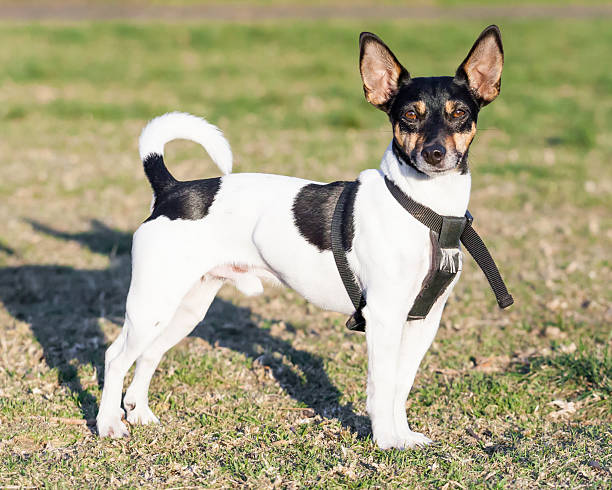
istockphoto 501597845 612x612

The Rat Terrier possesses a personality far bigger than its compact size suggests. These dogs are a delightful blend of feistiness, intelligence, and unwavering affection. Naturally lively and energetic, they approach life with a curious and playful spirit, always eager for interaction and activity. Their intelligence makes them highly receptive to training, though they may occasionally exhibit a stubborn streak characteristic of many terrier breeds.

What truly defines a Rat Terrier’s soul is their deep devotion to their families. They thrive on attention and affection, often described as sensitive and perceptive to their owner’s moods. They form strong bonds and generally get along wonderfully with children and other dogs in the household, provided they receive proper early socialization. However, their historical role as pest control means they carry a strong prey drive. This innate urge to chase requires careful management, especially around smaller household pets like cats or hamsters, where extra socialization and supervision are crucial. Rat Terriers are also known for being very alert watchdogs, quick to announce visitors or unusual sounds with a bark. While they may take a moment to warm up to strangers, once they do, they are generally friendly and open to receiving attention.

Is a Rat Terrier Right For Your Family & Lifestyle?

Choosing a dog is a significant decision, and understanding if a Rat Terrier aligns with your lifestyle is key to a harmonious relationship. These dynamic dogs have specific needs and characteristics that make them perfect for some, and perhaps less ideal for others.

Caring for Your Rat Terrier: Needs & Recommendations

Providing a loving and healthy environment for your Rat Terrier involves understanding their specific needs in terms of diet, exercise, grooming, and training.

Diet & Nutrition

A high-quality dry dog food, appropriate for their age, size, and activity level, forms the foundation of a healthy Rat Terrier diet. For adult Rat Terriers, a general guideline is to consume anywhere from ¼ to 2 cups of food daily, divided into two meals. Puppies, with their rapid growth and higher energy demands, will require more frequent meals and specific portioning based on their weight: approximately ¼ to ½ cups for puppies weighing less than 10 pounds, ½ to 1 cup for those weighing 10 to 15 pounds, and ¾ to 1½ cups for puppies weighing 20 to 30 pounds. Always consult with your veterinarian to determine the best diet regimen and precise portion sizes tailored to your individual Rat Terrier’s metabolism and health needs.

Exercise Requirements

Despite their small stature, Rat Terriers are high-energy dogs that require consistent daily exercise to stay happy and healthy. A minimum of 30 to 60 minutes of vigorous activity per day is essential. This can include daily walks, interactive playtime in a securely fenced yard, or trips to the dog park. These versatile dogs enjoy a variety of activities and will gladly participate in more if you’re up for it. They excel in dog sports such as agility, flyball, obedience, and rally, which provide excellent outlets for both their physical energy and sharp minds. Due to their high prey drive and potential as escape artists, it’s crucial to only allow them off-leash in securely contained areas. Engaging in activities like teaching them to play frisbee or fetch can also be a fantastic way to bond and keep them active.

Grooming

The Rat Terrier’s short, smooth coat is relatively low maintenance, shedding a little year-round and slightly heavier during seasonal changes. Weekly brushing with a soft brush or grooming mitt is usually sufficient to remove loose hair and keep their coat looking shiny. A monthly bath should be enough to keep them clean. Beyond coat care, regular attention to their nails, ears, and teeth is vital. Monthly nail trimming typically suffices, but adjust as needed if their nails grow quickly or aren’t naturally worn down. Weekly ear checks and gentle cleaning with a vet-approved solution can prevent infections; look for any signs of irritation, redness, or discharge. As a small breed, Rat Terriers are more susceptible to dental diseases like gum disease, tooth decay, and tooth loss. Daily tooth brushing with an enzymatic toothpaste is ideal. Supplement this with dental hygiene chews and discuss a “dental care diet” with your vet to maintain optimal oral health.

Training & Socialization

Rat Terriers are highly intelligent and eager to please, making them moderately trainable. However, they can also possess a stubborn streak and strong will, which can be challenging for novice owners. They thrive with experienced owners who are firm, patient, and consistent in applying positive reinforcement methods. Puppy training classes are strongly recommended, as they not only help address any budding stubborn tendencies but also provide crucial opportunities for early socialization. Proper socialization from a young age is paramount to help them navigate interactions with other pets and strangers, particularly given their innate prey drive. If a Rat Terrier displays aggressive behavior, it often stems from a lack of proper training, insufficient socialization during puppyhood, past abuse, or feeling threatened. Addressing these issues with professional guidance and consistent positive training is key.

Health & Lifespan: What to Expect

The Rat Terrier is generally considered a relatively healthy dog breed, boasting an average lifespan of 12-18 years. However, like all breeds, they are predisposed to certain genetic health conditions. Responsible breeders diligently screen their breeding stock for these potential issues to minimize their occurrence in puppies.

Common concerns include:

      • Hip Dysplasia: A malformation of the hip joint that can lead to arthritis and lameness.
      • Heart Issues: Various cardiac conditions can affect the breed.
      • Eye Disorders: Such as Progressive Retinal Atrophy (PRA) or cataracts.
      • Legg-Calve-Perthes Disease: A condition affecting the hip joint in small breeds, leading to degeneration of the femoral head.
      • Patellar Luxation: A condition where the kneecap dislocates from its normal position.

Additionally, as a small dog breed, Rat Terriers are more prone to developing painful dental diseases later in life, including gum disease, tooth decay, and tooth loss. Proactive dental care, including daily brushing and regular veterinary dental cleanings, is crucial for preventing these issues. When acquiring a puppy, always ask your breeder about the genetic and health history of the parents and request to see relevant health clearances and test results. This transparency helps ensure you bring home the healthiest possible companion.

The History of the Rat Terrier: From American Farms to Your Home

Happy Rat terrier puppy dog is sitting, isolated on a white background

The Rat Terrier’s story is deeply rooted in American history, evolving from a “type” of dog prized for its working abilities into the distinct breed we know today. While their ancestry traces back to English terriers like the Manchester Terrier and Smooth Fox Terrier (which originated in England around 1820), the Rat Terrier as a breed was primarily developed in the United States.

They rose to prominence on family farms across the U.S. during the 1920s, 30s, and 40s. These agile, small dogs were indispensable for pest control, keeping rats and other vermin out of grain stores and farm buildings. Their popularity waned after the 1950s with the advent of chemical pesticides. However, dedicated breeders ensured the Rat Terrier’s survival, leading to their re-emergence in the 1970s. The American Kennel Club officially recognized the Rat Terrier as a member of the Terrier Group in 2013, solidifying their status. Beyond their traditional role, Rat Terriers are now valued as service dogs, therapy dogs, police dogs (particularly for contraband detection), and, most commonly, cherished family pets. Interestingly, there’s a popular rumor, though debated, that President Theodore Roosevelt himself named the breed after his own terrier successfully cleared the White House of rats.

Meet Our Available Rat Terrier Puppies

Ready to welcome a vivacious Rat Terrier into your home? At PuppyGuyz, we partner with ethical breeders who prioritize the health and well-being of their puppies. Browse our current selection of available Rat Terrier puppies, each waiting to find their forever family. Your new best friend could be just a click away!

View all Available Puppies


Find a Rat Terrier Near You

While PuppyGuyz offers nationwide delivery, you might be interested in finding a Rat Terrier in a specific region. Our network of responsible breeders spans across the country.

Looking for a Samoyed puppy in your area? We deliver healthy, well-socialized puppies to families across the United States. Explore our available puppies by state to find the perfect addition to your family:

click here to Check all States

Your Comprehensive Rat Terrier FAQ

Have more questions about the Rat Terrier? We’ve compiled the most comprehensive FAQ section to address all your curiosities about this incredible breed

What is a Rat Terrier?

 The Rat Terrier is a lively, intelligent, and affectionate dog breed originating from the United States, primarily known for its past role in pest control on farms and now a popular companion and working dog.

What is the average lifespan of a Rat Terrier?

Rat Terriers generally live between 12 and 18 years, with an average lifespan often cited between 15 to 18 years. Proper care, nutrition, and regular veterinary check-ups contribute to their longevity.

Does a Rat Terrier shed, and are they hypoallergenic?

Yes, Rat Terriers do shed. They are considered low to moderate year-round shedders, with slightly heavier shedding during seasonal changes in spring and fall. Due to their dander production, they are not considered a hypoallergenic dog breed and may not be suitable for individuals with severe dog allergies.

How big do Rat Terriers get (height and weight)?

A fully-grown Rat Terrier typically stands 10 to 18 inches tall at the shoulder and weighs between 10 to 25 pounds. The breed can vary between “standard” (13-18 inches) and “miniature” (10-13 inches) sizes.

When is a Rat Terrier considered full-grown?

A Rat Terrier generally reaches its full adult size somewhere between 15 and 18 months of age.

How fast can a Rat Terrier run?

Despite their small size, Rat Terriers are surprisingly fast and agile. They can achieve speeds of up to 27 miles per hour.

How much exercise does a Rat Terrier need daily?

Rat Terriers are high-energy dogs that require a significant amount of daily exercise, typically between 30 minutes to an hour. This can include walks, playtime, and engaging in dog sports.

How much should a Rat Terrier eat?

The amount of food a Rat Terrier needs varies based on age, weight, and activity level. Adult Rat Terriers may consume ¼ to 2 cups of high-quality dry dog food daily. For puppies, portions range from ¼ to 1½ cups depending on their weight group. Always consult your veterinarian for specific dietary recommendations.

Why might a Rat Terrier display aggressive behavior?

Aggressive behavior in any dog breed, including Rat Terriers, can stem from various factors. Common reasons include a lack of proper training or early socialization during puppyhood, past experiences of abuse or mistreatment, or feeling threatened in their environment. Addressing aggression requires professional guidance and consistent positive training.

When do Rat Terrier puppies' ears stand up?

Rat Terrier puppies are often born with upright ears, but they may droop and flop over around the time their eyes open. Many puppies’ ears will perk back up to stand straight between 3 to 6 months of age, while others may retain a slightly floppy-eared look into adulthood.