Bichon Frise at a Glance: Quick Facts
Understanding the core traits of a Bichon Frise is the first step. This table provides a quick, reliable snapshot of what to expect.

Temperament
Playful, charming, curious, cheerful, affectionate

Height
9-12 inches (males), 9-11 inches (females)

Weight
13-18 pounds (males), 12-16 pounds (females)

Lifespan
14-15 years

Grooming Needs
High; requires daily brushing and professional grooming

Exercise Level
Moderate; daily walks and playtime are sufficient

Good With
Families, children, seniors, other pets, apartment dwellers

Shedding Level
Very Low; considered a hypoallergenic breed
TThe Soul of a Bichon Frise: Temperament and Personality
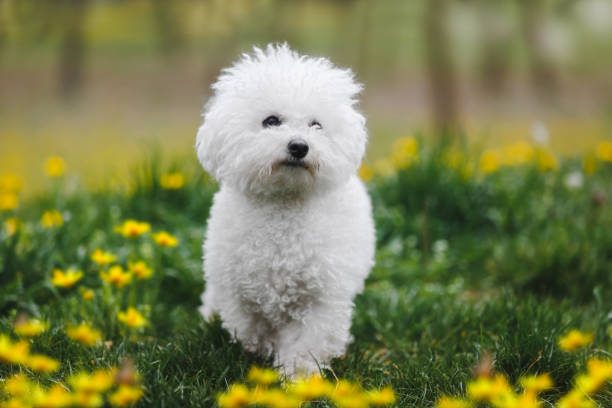
To truly know a Bichon Frise is to know pure, unadulterated joy. This breed is a companion through and through, thriving on human interaction and affection. Their personality is a delightful blend of a mischievous court jester and a gentle, loving lap dog. Bichons possess a "happy-go-lucky" disposition that makes them wonderful to be around; they carry a curious and alert expression, always ready for a game or a cuddle.
They are incredibly intelligent (ranking #45 on the list of smartest dog breeds) and sensitive. This sensitivity means they form deep, powerful bonds with their families and can become attuned to their owner's emotions. While they are not aggressive, they make excellent little watchdogs. Their keen hearing means they will bark to alert you to a visitor or an unusual sound, but their intention is more to announce a new friend than to ward off an intruder.
A well-socialized Bichon is the life of the party, getting along famously with children, other dogs, and even cats. Their playful nature is often expressed in sudden, short bursts of energy—affectionately called "Bichon Blitzes"—where they will joyfully race around the house or yard before settling down for a nap on the nearest available lap. This cheerful, loving, and entertaining nature is what makes the Bichon Frise a truly beloved companion breed.
Is a Bichon Frise Right For Your Family & Lifestyle?
The Bichon Frise's adaptability makes it a fantastic choice for many, but its deep need for companionship isn't suited for everyone. Here’s an honest look at where this breed thrives and where it might struggle.
A Bichon Frise is an ideal companion for:

Families with Children: Their gentle, non-aggressive, and playful nature makes them a wonderful and sturdy playmate for kids.
Apartment Dwellers: Bichons don't require a large yard and adapt very well to smaller living spaces, as long as they get their daily walks and indoor playtime.
First-Time Dog Owners: Their intelligence and eagerness to please make them relatively easy to train in obedience.
People with Allergies: As a low-shedding, hypoallergenic breed, they are a top choice for those sensitive to dander.
You might want to reconsider a Bichon Frise if:

You work long hours or travel frequently: Bichons are prone to separation anxiety. They cannot be left alone for more than about four hours at a time and become distressed and destructive when lonely.
You dislike grooming: Their beautiful coat is high-maintenance, requiring daily brushing and professional grooming every 4-6 weeks to prevent painful mats. This is a significant time and cost commitment.
You want a hands-off, independent dog: A Bichon needs to be an integral part of the family. They will follow you from room to room and want to be involved in everything you do.
You lack patience for house-training: While smart, Bichons can be notoriously stubborn to potty train. Their small bladders require frequent trips outside, and consistency is non-negotiable.
Caring for Your Bichon Frise: Needs & Recommendations
Providing the right care is key to a long, happy life with your Bichon. Here are the essentials for keeping your fluffy companion healthy and thriving.
For a small breed with moderate energy, a high-quality dog food is essential. Look for formulas specifically designed for small breeds to ensure the kibble size is appropriate and the nutritional content meets their metabolic needs. Portion control is vital, as Bichons can be prone to weight gain, which puts stress on their joints. Provide two measured meals per day rather than free-feeding. Always ensure fresh, clean water is available.
A Bichon's exercise needs are moderate and easily met. Plan for at least 20-30 minutes of activity each day. This can be a brisk walk around the neighborhood, a fun game of fetch in a secure area, or a "Bichon Blitz" around the living room. They also excel in dog sports like agility, rally, and obedience, which provide excellent physical and mental stimulation. Because they thrive on being with you, they make wonderful partners for any activity you enjoy.
The Bichon's coat is its most defining feature, and it requires significant care. To prevent matting, they must be brushed daily with a pin brush and a metal comb. Mats can form quickly and pull on the skin, causing pain and potential infections. In addition to daily brushing, a Bichon needs a bath and a professional haircut every 4-6 weeks. Their coat is typically white but can have shadings of cream, buff, or apricot. Regular nail trims, ear cleanings to prevent infections, and dental brushing are also crucial parts of their grooming routine.
Bichons are intelligent and eager to please, which makes obedience training a joy. They respond beautifully to positive reinforcement techniques like treats and praise. Harsh methods should be avoided, as their sensitive nature can be damaged by negativity. However, be prepared for a challenge with house-training. Their stubborn streak and small bladders require a consistent and patient approach. Early socialization is key to developing their confident, friendly personality. Enrolling in puppy training classes is a fantastic way to socialize your Bichon and build a strong training foundation.
Health & Lifespan: What to Expect
The Bichon Frise is a generally healthy breed with an impressive lifespan of 14-15 years. However, like all breeds, they are prone to certain genetic health conditions. Being aware of these issues is part of responsible ownership. Potential concerns include patellar luxation (dislocated kneecap), bladder stones and infections, cataracts, and skin allergies.
At PuppyGuyz, we believe in transparency and proactive health. All our partner breeders are required to conduct thorough health screenings on their dogs to minimize the risk of passing these issues to their puppies. The national breed club recommends, at a minimum, a hip evaluation, an ophthalmologist evaluation, and a patella evaluation. When you inquire about a puppy, we encourage you to ask about the health history of the parents. This commitment to ethical breeding is the best way to ensure you get a happy, healthy companion for years to come.
The History of the Bichon Frise: From the Mediterranean to Your Home
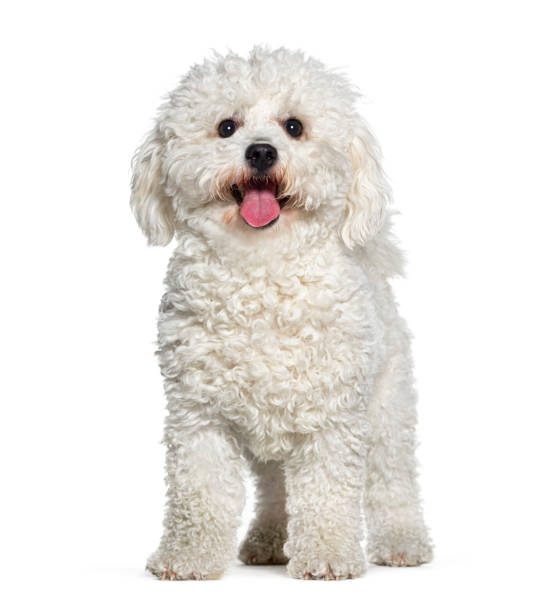
The story of the Bichon Frise is as charming as the dog itself. They belong to the "Barbichon" clan of small white dogs, a group that also includes the Maltese, Havanese, and Bolognese, with roots in the Mediterranean. These little dogs were prized by Spanish sailors, who used them as sailing companions and barter. They brought the breed to the Canary Islands, where they became known as the "Bichon Tenerife."
By the 14th century, they had charmed their way into the hearts of Italian and French nobility, becoming pampered lap dogs of the royal courts and even appearing in paintings by the famed artist Goya. After the French Revolution, their fortunes changed, and they became common street performers and circus dogs. It was the French who formalized the breed standard and officially named them "Bichon à poil frisé" (Bichon with the curly coat). The breed was first recognized by the AKC in 1971, cementing its place as one of the world's most beloved companion dogs.
Meet Our Available Bichon Frise Puppies
Your journey to finding the perfect Bichon Frise puppy starts here. Below you'll find our available puppies from our network of pre-screened, ethical breeders. Each puppy is raised with love and care, ready to bring a lifetime of joy and laughter into your home with our safe, nationwide delivery service.

Standard Poodle - Baxter
$2,450.00

Mini Bernedoodle - Paddy
$2,450.00

English Bulldog - Gunther
$4,000.00

Chihuahua - Winston
$2,650.00

Chihuahua - Mikey
$2,650.00

Cavapoo - Wallace
$2,350.00

Boxer - Mike
$2,400.00

Boxer - Bruiser
$2,400.00
FFind a Bichon Frise Near You
PuppyGuyz is proud to offer our premier nationwide delivery service, bringing your new Bichon Frise puppy directly and safely to your home, no matter where you live. We have a strong network of breeders and are ready to serve families across the country, including in these major states:
Looking for a Blue Heeler in your area? We deliver healthy, well-socialized puppies to families across the United States. Explore our available puppies by state to find the perfect addition to your family:

Pennsylvania
Ohio
New York
California
Florida
Texas
Your Comprehensive Bichon Frise FAQ
We've compiled and answered the most common questions about the Bichon Frise, using our expertise and insights from across the web to create the most complete resource available.
Are Bichon Frise hypoallergenic?
Yes, they are considered one of the best breeds for allergy sufferers. While no dog is 100% hypoallergenic, their curly, low-shedding coat produces significantly less dander than most other breeds.
How big do Bichon Frise get?
They are a small breed. A full-grown male typically stands 9-12 inches tall and weighs 13-18 pounds. Females are slightly smaller, standing 9-11 inches and weighing 12-16 pounds.
Are Bichon Frise easy to train?
For obedience, yes. They are very smart and eager to please. However, they are notoriously difficult to potty train due to a combination of stubbornness and a small bladder. Patience and consistency are crucial.
How much exercise does a Bichon Frise need?
They have moderate exercise needs. A daily walk of 20-30 minutes, combined with some indoor or backyard playtime, is usually sufficient to keep them happy and healthy.
Can a Bichon Frise be left alone?
Not for long periods. They are companion dogs that are highly prone to separation anxiety. An adult Bichon should not be left alone for more than four hours. They are best suited for homes where someone is present for most of the day.
Do Bichon Frise bark a lot?
They are not typically excessive barkers, but they are alert. They will bark to let you know someone is at the door or if something is amiss. Unchecked barking can sometimes be a sign of boredom or separation anxiety.
When is a Bichon Frise considered full grown?
Most Bichons will reach their full adult height and weight by their first birthday.
How long do Bichon Frise sleep?
An adult Bichon Frise typically sleeps for 12-14 hours per day. A growing puppy needs significantly more rest, often sleeping 18-20 hours a day.
Can Bichon Frise swim?
Yes, most Bichons are natural swimmers and take to the water instinctively. However, due to their small size, they should always be supervised closely during any water activities.