American Eskimo at a Glance: Quick Facts

Temperament
Intelligent, alert, friendly, eager to please, can be mischievous and vocal, good with children and other pets with proper socialization.

Height
Standard: 15-19 inches (shoulder)
Miniature: 12-15 inches (shoulder)
Toy: 9-12 inches (shoulder)

Weight
Standard: 25-35 pounds
Miniature: 10-20 pounds
Toy: 6-10 pounds

Lifespan
12-15 years

Grooming Needs
Moderate to high; profuse shedding, requires regular brushing (2-3 times/week, daily during shedding seasons) to prevent mats and manage loose fur.

Exercise Level
High; requires significant daily physical and mental stimulation to prevent boredom and destructive behaviors.

Good With
Families, children (with supervision and socialization), other dogs (with proper introduction), attentive owners.

Shedding Level
Profuse; a double-coated breed that sheds moderately year-round with heavier "blowouts" twice a year. Not hypoallergenic.
The Soul of an American Eskimo: Temperament and Personality
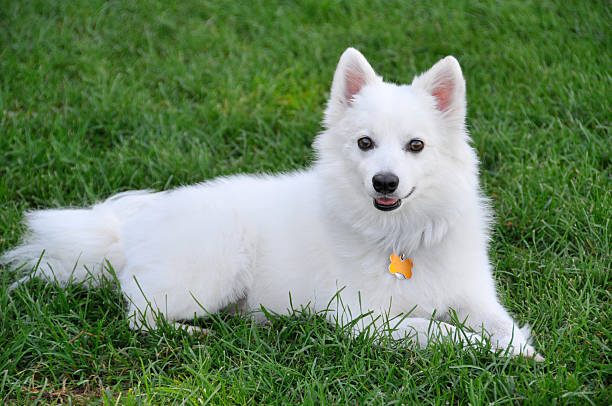
The American Eskimo Dog, often affectionately called an "Eskie," is a breed brimming with personality. They are widely regarded as intelligent, alert, and eager-to-please companions, making them highly trainable and responsive to positive reinforcement. Their cheerful and outgoing disposition means they thrive on human interaction and love being at the center of family life. However, beneath their charming exterior lies a mischievous and independent streak; Eskies are known for their inquisitive nature and can become bored easily if not adequately stimulated.
Due to their historical role as watchdogs, Eskies are naturally alert and can be quite vocal. They are quick to bark at anything they perceive as new or unusual, making them excellent, albeit sometimes noisy, guardians of the home. While generally friendly and open, they may exhibit a degree of shyness or aloofness around strangers initially. With proper socialization from a young age, they quickly warm up and become friendly with newcomers. Their high energy levels coupled with their bright minds mean they require consistent training and plenty of activity to channel their exuberance positively. This breed forms strong bonds with their families and thrives on companionship, displaying a loyal and devoted nature that makes them cherished members of any household.
Is an American Eskimo Right For Your Family & Lifestyle?
Bringing an American Eskimo into your home is a rewarding experience, but it's important to ensure their needs align with your lifestyle. These dogs are more than just pretty faces; they are active, intelligent, and vocal companions who thrive on engagement and attention.
An American Eskimo is an ideal companion for:

Active Individuals or Families: They have a high energy level and require consistent daily exercise, beyond just a quick walk. Owners who enjoy outdoor activities, dog sports, or simply have ample time for play will be a great match.
Owners Committed to Training & Socialization: Eskies are intelligent and trainable but can develop stubborn tendencies. Early and ongoing training, coupled with broad socialization, is crucial to nurture their best qualities and manage their watchdog instincts.
Homes that Can Provide Ample Companionship: These dogs are people-oriented and can suffer from separation anxiety or destructive behaviors if left alone for extended periods. They do best in households where someone is usually home.
Individuals Prepared for Vocal Alerts: Their watchdog instincts mean they will bark to alert you to anything they deem noteworthy. If you prefer a very quiet dog or live in an apartment with strict noise rules, this might be a challenge.
You might want to reconsider an American Eskimo if:

You Have Limited Time for Exercise: A sedentary lifestyle will lead to a bored, potentially destructive, and unhappy Eskie.
You Prefer a Quiet Home: Their tendency to bark at sights and sounds means they are not suited for environments where constant vocalizations are undesirable.
You or a Family Member Suffer from Allergies: Despite their clean appearance, Eskies are heavy, year-round-shedders and are definitely not considered hypoallergenic.
You're Not Prepared for Consistent Grooming: Their dense double coat demands significant attention to stay healthy and free of mats, especially during seasonal shedding cycles.
Caring for Your American Eskimo: Needs & Recommendations
Providing comprehensive care for your American Eskimo ensures they live a long, happy, and healthy life. Their needs span diet, exercise, grooming, and training, each playing a vital role in their overall well-being.
A balanced diet is fundamental for your Eskie's energy and health. Puppies, with their rapid growth and higher metabolism, typically require three meals a day, with a total daily intake of 3 to 4 cups of high-quality puppy food, divided into these mealtimes. Adult American Eskimos, on the other hand, usually thrive on two meals a day, consuming anywhere from ½ to 1 ½ cups of food per day, depending on their size, activity level, and specific dietary needs. Always choose a premium dog food formulated for small to medium, active breeds. Consult with your veterinarian to tailor a diet plan that suits your individual Eskie, monitoring their weight and adjusting portions as needed to prevent obesity, which can exacerbate health issues. Fresh water should always be available.
American Eskimos possess a high activity level and are easily bored, making consistent exercise non-negotiable. Beyond daily walks, which are a good start, they need additional mental and physical stimulation to prevent boredom-induced destructive behaviors. They excel in activities like obedience and agility trials, which provide both a physical workout and a mental challenge. If you have a securely fenced yard, they will relish the opportunity to run and play. For apartment dwellers, ensuring multiple vigorous play sessions or long, brisk walks each day is crucial. Incorporating puzzle toys and interactive games can also help satisfy their intelligent and curious minds, keeping them engaged and happy.
The American Eskimo's magnificent double coat is a hallmark of the breed but requires diligent grooming. They shed moderately year-round, with heavier shedding "blowouts" occurring twice a year as seasons change. To manage loose fur, prevent tangles, and avoid uncomfortable mats, brush your Eskie’s coat at least two to three times a week. During heavier shedding periods, daily brushing will be necessary to keep them comfortable and to minimize fur accumulation in your home. Their coat naturally repels dirt, so frequent bathing isn't necessary; a bath every few months is usually sufficient. Over-bathing can strip essential oils, leading to dry and irritated skin.
Beyond their coat, regular nail trimming (once or twice a month, or whenever you hear them clicking on hard floors), weekly ear checks (and careful cleaning as needed), and daily dental care are essential. Brushing their teeth daily with an enzyme toothpaste, supplemented by vet-approved dental chews and professional cleanings, is ideal to prevent tartar buildup and maintain oral health.
American Eskimos are renowned for being highly intelligent and eager to please, making them generally easy to train. Their quick wit means they pick up commands rapidly, which is excellent news for both novice and experienced dog owners. However, their intelligence can also manifest as a mischievous or stubborn streak, especially if they are not consistently challenged or if their independent nature surfaces.
Early and ongoing socialization is paramount. Exposing your Eskie puppy to a variety of sights, sounds, people, and other animals from a young age will help them develop into well-adjusted, confident adults and mitigate their natural shyness around strangers. Puppy training classes are highly recommended, particularly for first-time owners. These classes not only provide foundational obedience skills but also offer invaluable socialization opportunities. They help owners learn effective techniques to manage a spirited breed, channel their energy constructively, and ensure the Eskie feels like an integrated and active part of the family. Consistent, positive reinforcement methods yield the best results with this smart and sensitive breed.
Health & Lifespan: What to Expect
American Eskimo Dogs are generally healthy, robust dogs, typically enjoying a lifespan of 12 to 15 years. However, like all breeds, they can be predisposed to certain genetic health conditions. Being aware of these potential issues allows you to work proactively with your veterinarian and choose a responsible breeder.
Common health concerns include:
-
-
- Hip Dysplasia: A condition where the hip joint doesn't form correctly, leading to arthritis or lameness.
- Progressive Retinal Atrophy (PRA): A group of degenerative eye diseases that can lead to blindness.
-
Reputable breeders are committed to the health of their lines and will meticulously screen their breeding dogs to minimize the risk of passing on preventable genetic issues to their puppies. When choosing an American Eskimo puppy, always ask the breeder about the health and genetic history of both parents. Look for evidence of health clearances, such as ophthalmologist evaluations and hip evaluations. Additionally, a progressive retinal atrophy DNA test (PRA-prcd, PRCD) is a recommended screening. At PuppyGuyz, we work exclusively with breeders who adhere to the highest standards of health testing and ethical breeding practices, ensuring your new companion gets the best start in life.
The History of the American Eskimo: From Germany to Your Home
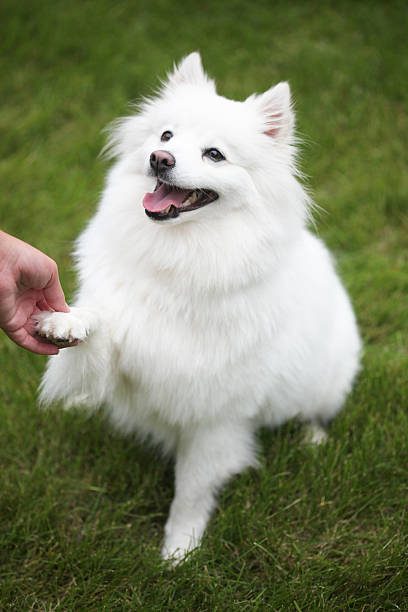
Despite their name suggesting a North American origin, the American Eskimo Dog actually hails from Germany. Their lineage traces back to the German Spitz, a versatile and intelligent Spitz-type dog breed that gained popularity across Northern Europe. As German immigrants settled in the United States during the 19th and early 20th centuries, they brought their beloved Spitz dogs with them.
During World War I, anti-German sentiment led to a rebranding of many German-originated entities, and these charming white dogs became known as the "American Spitz." The breed continued to develop uniquely in the United States, officially gaining recognition as the American Eskimo by the United Kennel Club (UKC) in 1919. Later, in 1994, the American Kennel Club (AKC) recognized the American Eskimo Dog as part of its Non-Sporting Group. Interestingly, these bright and agile dogs were a popular choice for circus performers in the late 19th and early 20th centuries, with one famous Eskie named Stout’s Pal Pierre even becoming the first dog to walk a tightrope in the 1930s while performing with the Barnum and Bailey Circus. This fascinating history underscores their intelligence and trainability, attributes that continue to charm owners today.
Meet Our Available American Eskimo Puppies
Ready to welcome an American Eskimo into your life? Our curated selection of healthy, happy American Eskimo puppies is waiting to find their forever homes. Each puppy comes from an ethically vetted breeder, ensuring you receive a well-socialized and cherished new family member. Click below to view our current listings and discover your perfect companion.

Standard Poodle - Baxter
$2,450.00

Mini Bernedoodle - Paddy
$2,450.00

English Bulldog - Gunther
$4,000.00

Chihuahua - Winston
$2,650.00

Chihuahua - Mikey
$2,650.00

Cavapoo - Wallace
$2,350.00

Boxer - Mike
$2,400.00

Boxer - Bruiser
$2,400.00
Find an American Eskimo Near You
PuppyGuyz offers safe, convenient nationwide delivery of your new American Eskimo puppy directly to your home. While we deliver across the country, here are some major states where American Eskimo puppies are often available:
Looking for a Blue Heeler in your area? We deliver healthy, well-socialized puppies to families across the United States. Explore our available puppies by state to find the perfect addition to your family:

Pennsylvania
Ohio
New York
California
Florida
Texas
Your Comprehensive American Eskimo FAQ
Choosing a new puppy brings many questions. Here, we answer the most common inquiries about the American Eskimo Dog to help you make an informed decision.
Are American Eskimo puppies good with kids?
Yes, with proper socialization from a young age, American Eskimos typically do very well with children. They are known for their friendly and gentle nature, often enjoying play and bonding closely with family members. Adult supervision is always recommended during interactions between dogs and young children.
How much does an American Eskimo puppy cost?
The cost of an American Eskimo puppy can vary widely depending on factors like the breeder's reputation, the puppy's lineage, location, and inclusions like health clearances. At PuppyGuyz, we ensure fair pricing from our network of ethical breeders, providing transparency and value for a healthy, well-raised puppy.
What is the average size of an adult American Eskimo?
American Eskimos come in three sizes: Toy (9-12 inches tall, 6-10 pounds), Miniature (12-15 inches tall, 10-20 pounds), and Standard (15-19 inches tall, 25-35 pounds). Their size will depend on their specific genetic background, often influenced by the size of their parents.
How do I know I'm getting a healthy American Eskimo puppy?
At PuppyGuyz, we partner exclusively with ethical breeders who prioritize the health and well-being of their dogs. This includes comprehensive health screenings, genetic testing for common breed-specific conditions like hip dysplasia and progressive retinal atrophy, and adherence to strict breeding standards. We provide health guarantees and transparency regarding the puppy’s and parents' health histories.
Where do American Eskimo dogs come from?
Despite their name, American Eskimo dogs originated in Germany, descending from the German Spitz breed. They were brought to the United States by German immigrants in the 19th century and were later renamed to American Eskimo due to anti-German sentiment during World War I.
How long do American Eskimo dogs live?
The typical lifespan for an American Eskimo dog ranges from 12 to 15 years, with good care, nutrition, and genetics playing a significant role.
Do American Eskimo dogs shed?
Yes, American Eskimo dogs are known as profuse shedders. They have a dense double coat and shed moderately year-round, with particularly heavy shedding periods occurring twice a year, often referred to as "coat blowouts." Regular brushing is essential to manage this.
Are American Eskimo dogs hypoallergenic?
No, due to their heavy and consistent shedding, American Eskimo dogs are not considered hypoallergenic. They are not a suitable breed for individuals who suffer from pet allergies.
How big do American Eskimo dogs get?
As mentioned above, American Eskimos come in three sizes based on height at the shoulder: Toy (9-12 inches), Miniature (12-15 inches), and Standard (15-19 inches).