Doxiepoo at a Glance: Quick Facts
To understand the Doxiepoo, it helps to see the big picture. This table provides a quick, reliable overview of their core characteristics, compiled from breed standards and expert observations.

Temperament
Intelligent, loving, playful, loyal, can be stubborn and vocal.

Height
5 - 15 inches

Weight
5 - 30 pounds (depends on Poodle/Dachshund parents)

Lifespan
10 - 18 years

Grooming Needs
Moderate; depends on coat type. Regular brushing is essential.

Exercise Level
Moderate; requires daily walks and playtime.

Good With
Singles, seniors, families with older, considerate children.

Shedding Level
Low to moderate; often considered hypoallergenic.
The Soul of a Doxiepoo: Temperament and Personality
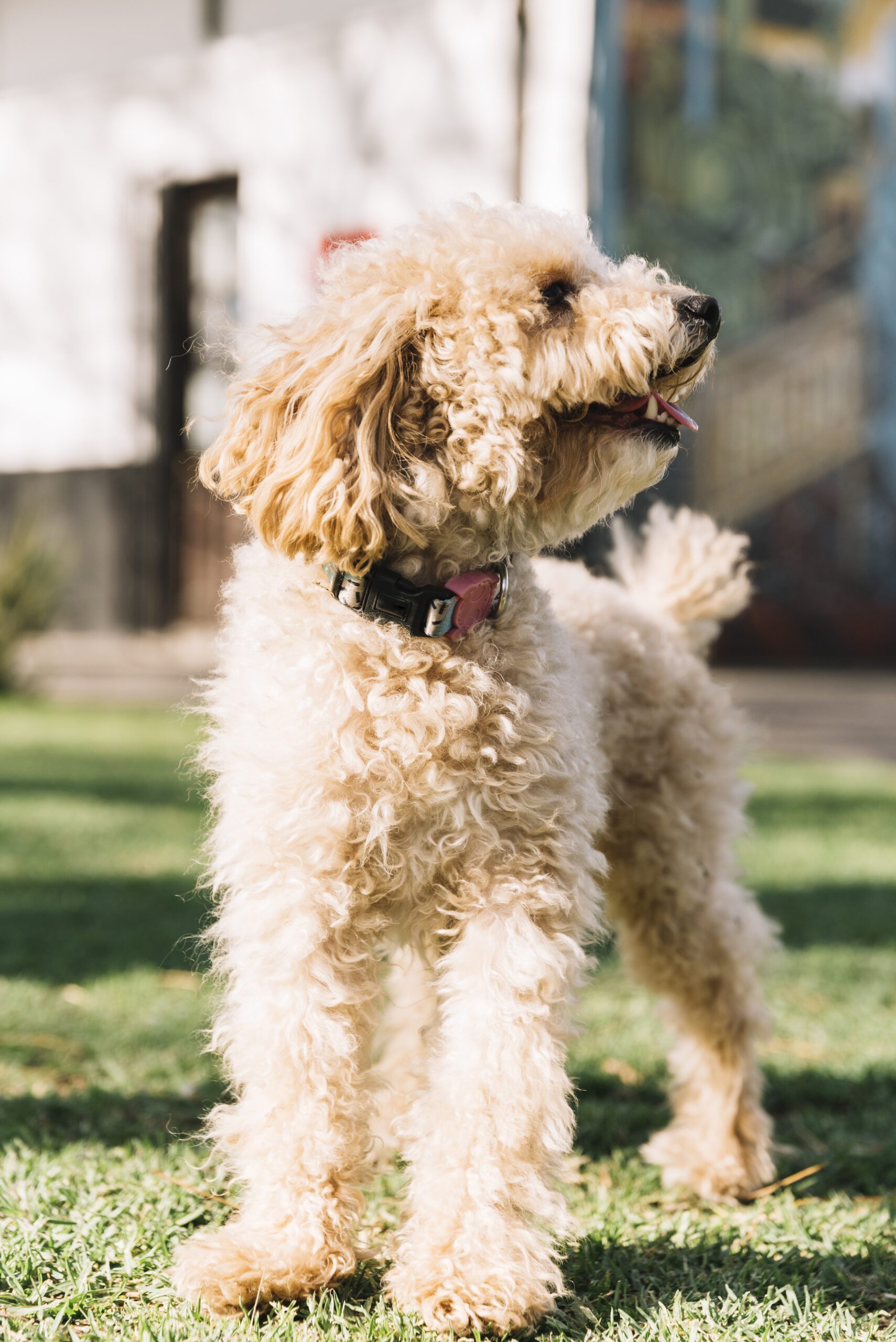
The Doxiepoo's personality is a fascinating tapestry woven from the threads of its parent breeds. From the Poodle, it inherits a remarkable intelligence (the Poodle is the second smartest dog breed) and a knack for training. From the Dachshund, it gets a courageous heart, a deep-seated loyalty, and a stubborn streak that is both endearing and challenging.
This combination results in a dog that is profoundly devoted to its family. Doxiepoos thrive on being the center of attention and will eagerly participate in any family activity, whether it's snuggling on the couch or embarking on a new adventure. They are sensitive souls who form deep bonds and can be wary of strangers at first, making them excellent little watchdogs who will always alert you to a knock at the door.
While their intelligence makes them quick learners, their Dachshund heritage can sometimes manifest as a "what's in it for me?" attitude. They are clever enough to know what you want but may choose to test the boundaries. With positive reinforcement and patient leadership, however, their eagerness to please shines through, revealing a well-behaved and incredibly loving companion.
Is a Doxiepoo Right For Your Family & Lifestyle?
The Doxiepoo is an adaptable and wonderful pet, but their unique blend of traits means they aren't a one-size-fits-all companion. Being honest about your lifestyle is key to a happy life for both you and your puppy.
A Doxiepoo is an ideal companion for:

Individuals or Couples: They form strong one-on-one bonds and love being a cherished companion.
Active Seniors: Their moderate exercise needs and loving nature make them perfect for active retirees.
- Families with Older Children: They do well with children who are old enough to understand how to handle a small, delicate dog respectfully.
Apartment Dwellers: Their small size is great for apartment living, provided their barking is managed through early training.
You might want to reconsider a Doxiepoo if:

You're away from home for long hours: They can develop separation anxiety and express their distress through barking or destructive behavior.
You dislike barking: Doxiepoos come from two vocal parent breeds and are prone to barking at sounds, strangers, and perceived threats.
You have very young children or toddlers: Their long backs and delicate bodies can be accidentally injured by rough play.
You want a completely silent, low-maintenance dog: They require consistent training, daily exercise, and regular grooming to be at their best.
Caring for Your Doxiepoo: Needs & Recommendations
Providing the right care is essential for your Doxiepoo's health and happiness. Their needs are a blend of their Poodle and Dachshund heritage.
A high-quality small-breed dog food is the best choice for your Doxiepoo. Look for formulas rich in protein with balanced fats to support their energy levels. Portion control is crucial; their small stature and love of treats can easily lead to obesity, which puts dangerous strain on their long Dachshund-like spine. Provide fresh water at all times and stick to a consistent feeding schedule of two meals per day for adults.
Don't let their size fool you—Doxiepoos are active and energetic. They require at least 30 to 60 minutes of exercise daily to stay physically and mentally fit. This should include a combination of brisk walks, and playtime like fetch or puzzle toys. A bored Doxiepoo is often a mischievous or vocal Doxiepoo, so keeping them engaged is key to a peaceful home. Be mindful of their back; avoid activities that involve a lot of jumping from high surfaces.
Doxiepoo grooming needs vary widely based on their coat. If they inherit the Poodle's curly, low-shedding coat, they will need professional grooming every 6-8 weeks and daily brushing at home to prevent matting. If their coat is more like a wire-haired or long-haired Dachshund, shedding may be more moderate, but they still require brushing several times a week. Regardless of coat type, regular nail trims, ear cleaning, and dental care are non-negotiable for preventing common health issues.
Training a Doxiepoo is a rewarding experience. Their Poodle intelligence means they pick up commands quickly, but their Dachshund stubbornness requires patience and creativity. Use positive reinforcement techniques with plenty of treats and praise. Keep training sessions short and fun to hold their attention. Early socialization is critical. Exposing your Doxiepoo puppy to various people, sounds, and other dogs in a controlled, positive way will help them grow into a confident, well-adjusted adult and temper their natural wariness of strangers.
Health & Lifespan: What to Expect
Doxiepoos are generally healthy dogs with an impressive lifespan of 10 to 18 years. As a hybrid, they can potentially benefit from "hybrid vigor," but they can also inherit health conditions common to both Poodles and Dachshunds. Responsible breeders screen their parent dogs for these issues to produce the healthiest puppies possible.
Common health concerns to be aware of include:
- Intervertebral Disc Disease (IVDD): Inherited from the Dachshund, this spinal condition requires careful handling and maintaining a healthy weight.
- Patellar Luxation: A condition where the kneecap dislocates, common in small breeds.
- Progressive Retinal Atrophy (PRA): An eye disease that can lead to blindness.
- Legg-Calve-Perthes Disease: A hip joint disorder.
- Epilepsy and Skin Allergies: Can be inherited from the Poodle side.
Regular vet check-ups and a healthy lifestyle are the best defense against these potential issues.
The History of the Doxiepoo: From Designer Dog to Your Home
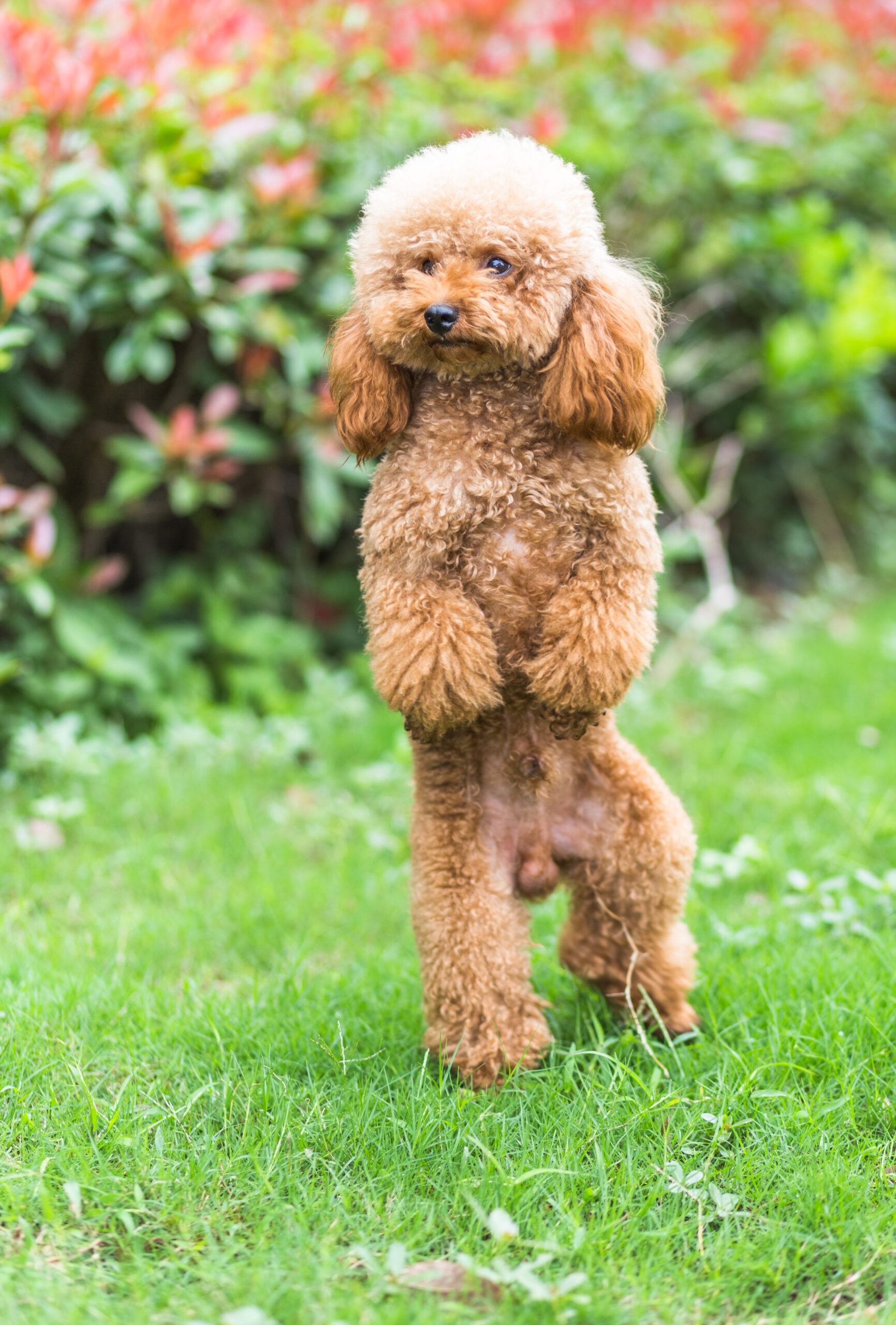
The Doxiepoo is a relatively new "designer dog," first appearing in the United States over the last few decades. The goal of this intentional cross was to create a wonderful companion dog that combined the intelligence and low-shedding coat of the Poodle with the brave and loyal personality of the Dachshund. Most Doxiepoos are first-generation, or "F1," crosses, meaning their parents are a purebred Dachshund and a purebred Poodle. This direct cross tends to produce the most variation in size, coat, and appearance, which is part of their unique charm. They are not recognized by the AKC, but their popularity as loving, family-oriented pets continues to soar.
Meet Our Available Doxiepoo Puppies
Your new best friend is waiting. At PuppyGuyz, all our Doxiepoo puppies come from a network of carefully vetted, ethical breeders. Each puppy is raised with love and care, ready to join your family. Browse our gallery below to see our adorable, available Doxiepoo puppies.

Standard Poodle - Baxter
$2,450.00

Mini Bernedoodle - Paddy
$2,450.00

English Bulldog - Gunther
$4,000.00

Chihuahua - Winston
$2,650.00

Chihuahua - Mikey
$2,650.00

Cavapoo - Wallace
$2,350.00

Boxer - Mike
$2,400.00

Boxer - Bruiser
$2,400.00
Find a Doxiepoo Near You
While we offer safe and reliable nationwide delivery to your doorstep, we have strong networks of ethical breeders in and around many major states. Find your new Doxiepoo puppy in one of these locations:
Looking for a English Bulldog puppy in your area? We deliver healthy, well-socialized puppies to families across the United States. Explore our available puppies by state to find the perfect addition to your family:

Pennsylvania
Ohio
New York
California
Florida
Texas
Your Comprehensive Doxiepoo FAQ
We've compiled and answered the most common questions about Doxiepoos, using our expertise and insights from across the web to create the most complete FAQ available.
What is a Doxiepoo?
A Doxiepoo is a designer hybrid dog, a cross between a purebred Dachshund and a purebred Poodle (often a Miniature or Toy Poodle). They are bred to be intelligent, loving, and often low-shedding companion animals.
Are Doxiepoos hypoallergenic?
Yes, thanks to their Poodle parentage, Doxiepoos are often considered hypoallergenic. While no dog is 100% hypoallergenic, their low-shedding coats produce less dander, making them a suitable choice for many people with mild to moderate allergies.
How big do Doxiepoos get?
Their size varies greatly depending on their parents. A cross with a Toy Poodle will result in a smaller dog (5-10 lbs), while a cross with a Miniature Poodle can produce a dog up to 30 pounds. Their height typically ranges from 5 to 15 inches at the shoulder.
Do Doxiepoos shed?
They are low-to-moderate shedders. A Doxiepoo with a curly, Poodle-like coat will shed very little. If they inherit a smoother or wavier coat more like a Dachshund, they may shed a bit more, but it's generally manageable.
How long do Doxiepoos live?
Doxiepoos have a long lifespan, typically living between 10 and 18 years with proper care, diet, and regular veterinary check-ups.
Are Doxiepoos good with kids?
They can be good with children, but they are better suited for families with older, more considerate kids. Due to their small size and potentially long back, they can be fragile and must be handled gently to prevent accidental injury.
Do Doxiepoos bark a lot?
Yes, they tend to be vocal. Both Dachshunds and Poodles can be alert barkers, and Doxiepoos often inherit this trait. They will bark at strangers, strange sounds, or when they want attention. Early training can help manage this behavior.
Are Doxiepoos easy to train?
They are a mix. Their Poodle intelligence makes them fast learners, but their Dachshund stubbornness means they need a patient and consistent leader. They respond best to positive reinforcement and can become uncooperative with harsh methods.
How much exercise do Doxiepoos need?
They need at least 30-60 minutes of activity per day. This can include walks, playtime in a secure yard, or indoor games. Mental stimulation with puzzle toys is also important to prevent boredom.
Do Doxiepoos do well in apartments?
Their small size makes them physically well-suited for apartment life. However, their tendency to bark can be a problem for nearby neighbors. Prospective apartment dwellers must be committed to training and providing enough exercise to keep barking to a minimum.
Are Doxiepoos aggressive?
Doxiepoos are not inherently aggressive, but like any dog, they can develop behavioral issues if not properly socialized or cared for. If left alone for too long or not exercised enough, their anxiety can manifest as nipping or growling. Early socialization is key.
When will a Doxiepoo stop growing?
Most Doxiepoos will reach their full adult size between 8 and 15 months of age.