-
×
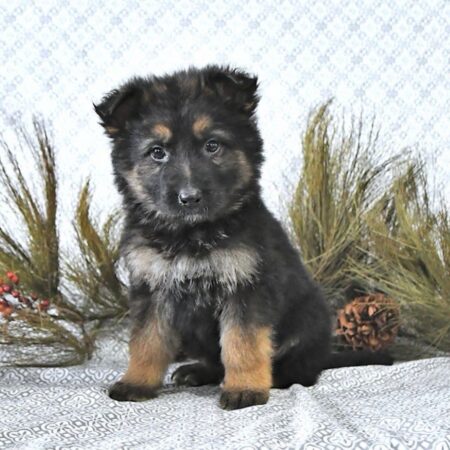 German Shepherd - Fern
1 × $2,350.00
German Shepherd - Fern
1 × $2,350.00 -
×
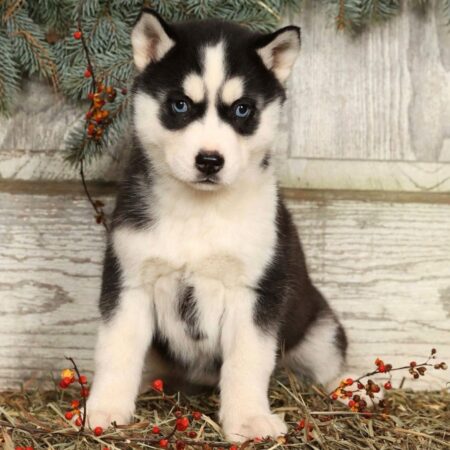 Siberian Husky - Duke
1 × $2,350.00
Siberian Husky - Duke
1 × $2,350.00
Subtotal: $4,700.00

Highly intelligent, agile, eager to please, loyal, friendly, and playful. Known for dignity, confidence, and a comical, adventurous spirit. Sensitive and protective, making them excellent family companions and alert watchdogs.
22-27 inches at the shoulder (AKC standard: over 15 inches).
40-70 pounds.
10-18 years.
High. Daily brushing to prevent mats, professional grooming every 4-6 weeks (trimming, shampooing). Regular nail trims, ear checks, and daily dental care are crucial.
High. Requires significant daily exercise (daily walks, active playtime, mental stimulation) and thrives on varied activities like swimming, hiking, and dog sports.
Excellent with children (especially older, respectful ones), other dogs, and even cats (with proper socialization). Thrives on human companionship and is sensitive to household harmony.
Very low/Non-shedding. Considered hypoallergenic due to their unique coat structure, which traps dander and shed hair.

The Standard Poodle is a breed whose reputation for intelligence precedes it, and for good reason. These dogs are remarkably smart, highly trainable, and possess an eagerness to please that makes them a delight to work with. Their keen minds require consistent mental stimulation, thriving on challenges like puzzle toys, obedience training, and learning new tricks. Beyond their intellect, Standard Poodles are characterized by a dignified yet joyful disposition. They carry themselves with an air of confidence and sophistication but are equally known for their playful, even comical, antics and adventurous spirit.
They are deeply family-oriented and form strong, loyal bonds with their owners, often displaying a sensitive nature that makes them incredibly attuned to human emotions. Well-socialized Standard Poodles are generally warm and friendly with strangers, though their protective instincts mean they make excellent watchdogs, quick to alert their families to anything unusual. While they are renowned as kid-friendly dogs and typically get along well with other pets, their high energy levels, especially as puppies (up to two years old), mean they can sometimes accidentally knock over very young children in their excitement. This sensitive nature also means they prefer a harmonious household environment and are better suited for older children who understand appropriate dog interactions. Early and continuous socialization is paramount to ensure they grow into confident, well-adjusted companions rather than becoming skittish or wary.
Deciding to welcome a Standard Poodle into your home is a significant commitment, and it’s essential to understand if their needs align with your lifestyle. Their unique blend of elegance, intelligence, and athleticism makes them a fantastic companion for many, but they are not the right fit for everyone
Active Individuals & Families: They thrive on daily exercise, mental challenges, and love engaging in activities like hiking, swimming, and various dog sports. If you enjoy an active lifestyle and want a dog to join you, a Standard Poodle could be perfect.
Committed Groomers: These dogs are low-shedding and often considered hypoallergenic, but this comes with significant grooming demands. If you’re prepared for regular professional grooming every 4-6 weeks and daily brushing at home, their coat is manageable.
Owners Seeking an Intelligent & Trainable Dog: Their high intelligence and eagerness to please make them highly trainable. They excel in obedience and enjoy learning, making them a great choice for first-time dog owners willing to dedicate time to consistent, positive reinforcement training.
Those Looking for a Loyal & Affectionate Companion: Standard Poodles are incredibly loyal, loving, and sensitive. They bond deeply with their families and thrive on human companionship, making them wonderful therapy, service, or emotional support animals.
You Prefer a Low-Maintenance Pet: Their extensive grooming requirements, including daily brushing and frequent professional trims, mean they are far from a “wash and wear” dog. Neglecting their coat can lead to painful matting and skin issues.
You Have a Sedentary Lifestyle: Standard Poodles are high-energy dogs, particularly when young. Without adequate exercise and mental stimulation, they can become bored, destructive, or develop behavioral issues.
You Are Frequently Away from Home: These dogs crave companionship and do not do well when left alone for long periods. They can develop separation anxiety if their need for interaction isn’t met.
You Are Unprepared for Socialization & Training: While intelligent and trainable, their sensitive nature means they require consistent, positive reinforcement and early, thorough socialization to prevent skittishness or territorial behaviors.
Providing balanced nutrition is crucial for your Standard Poodle’s overall health and energy levels. For adult Standard Poodles, a high-quality dry kibble, fed twice a day, is generally recommended. The amount can vary, but typically ranges from 1.5 to 3 cups daily, depending on their size, activity level, and metabolism. Growing Standard Poodle puppies often require around 2 cups of food per day, divided into smaller, more frequent meals. It is vital to consult your veterinarian to determine the precise caloric and nutritional needs for your individual dog, as well as to discuss any specific dietary requirements or sensitivities. Always ensure fresh, clean water is available at all times. Given their deep chests, Standard Poodles are at a higher risk for bloat (gastric torsion), a life-threatening condition. Feeding smaller, more frequent meals and avoiding vigorous exercise immediately before or after eating can help mitigate this risk.
Standard Poodles are known for their high activity level and require a significant amount of daily exercise and mental stimulation to stay happy and healthy. Simple daily walks, combined with active playtime, such as fetch or running in a securely fenced area, are usually sufficient. However, these athletic dogs are often eager for more. Their historical role as water retrievers means many Standard Poodles absolutely love to swim, making it an excellent low-impact activity that provides both physical exertion and mental engagement. Once they are fully grown and cleared by a veterinarian, you can explore more intense activities like hiking, jogging, or playing frisbee. Standard Poodles also excel in various dog sports such as agility, dock diving, obedience, and tracking, which provide fantastic outlets for their intelligence and athleticism. Regular engagement prevents boredom and destructive behaviors.
The Standard Poodle’s distinctive curly or corded coat is famously low-shedding and often considered hypoallergenic, making them a popular choice for allergy sufferers. However, this non-shedding trait means their coat requires diligent, high-maintenance grooming to prevent painful mats and skin issues. Daily brushing is essential to remove tangles and keep their coat healthy. Most owners opt for professional grooming every 4-6 weeks, which includes trimming, bathing, and drying. While a shorter clip can reduce the intensity of daily home maintenance, regular professional visits are still necessary.
In addition to coat care, other grooming aspects cannot be overlooked. Their nails should be trimmed once or twice monthly to prevent overgrowth, which can lead to discomfort and structural issues. Weekly checks of their ears are crucial, ensuring they are dry, clean, and free of debris, as Poodles can be prone to ear infections due to their floppy ears. Daily dental care, such as brushing their teeth or using an enzyme toothpaste, is imperative for preventing dental diseases later in life. Getting your Standard Poodle puppy accustomed to these grooming routines early and making them positive experiences will benefit both you and your dog in the long run.
Standard Poodles are among the smartest dog breeds, making them exceptionally trainable. They are eager to please, respond best to consistent, positive training techniques focused on rewards and praise, and can pick up new commands and tricks with remarkable speed. Their high intelligence means they can be a great fit for owners of all experience levels, including first-time dog owners, particularly when supported by puppy training classes. These classes not only reinforce training but also provide crucial socialization opportunities and strengthen the bond between you and your puppy.
Early and ongoing socialization is key for a well-rounded Standard Poodle. Exposing puppies to a variety of people, sights, sounds, and other friendly animals from a young age helps them develop into confident, adaptable adults. While Poodles are not naturally aggressive, they can exhibit fearful or anxious behaviors if not properly socialized. Their protective instincts do make them excellent watchdogs, typically barking to alert you to new arrivals but remaining friendly once they’ve accepted someone. Proper training and socialization are also key to their compatibility with other household pets, including cats, given their naturally mellow demeanor.
Standard Poodles are generally robust dogs, with an average lifespan ranging from 10 to 18 years. However, like all breeds, they are predisposed to certain genetic health conditions. Being aware of these potential issues and working with a reputable breeder who screens their dogs can significantly increase the likelihood of bringing home a healthy puppy.
Reputable breeders will conduct comprehensive health screenings and genetic testing on their breeding stock to minimize the risk of passing on these inherited conditions to puppies. These tests typically include hip evaluations, ophthalmologist evaluations, patella evaluations, DNA tests for progressive retinal atrophy (PRA-prcd, PRCD, and PRA-rcd4), and a von Willebrand disease I DNA test (VWDI) at a minimum. Always ask about the health history of both parents and request to see health clearances.

Despite being the national dog of France, the elegant Poodle actually originated in Germany over 400 years ago. Their name, derived from the German word “Pudel” (meaning “to splash in the water”), hints at their original purpose: skilled duck hunters and water retrievers. These intelligent dogs were bred for their exceptional swimming abilities, high intelligence, and incredible retrieval skills, with their dense, curly coats providing protection from the elements.
Over centuries, the Poodle’s versatility saw them transition from working dogs in the field to cherished companions of nobility and even performers in circuses. The breed comes in three recognized sizes – Standard, Miniature, and Toy – all stemming from the same lineage, with the Standard being the oldest variant. The American Kennel Club (AKC) officially recognized the Poodle in 1887, classifying them in the Non-Sporting Group. Interestingly, the Standard Poodle is the only member of this group eligible to participate in AKC Retriever Hunting Tests, a testament to their enduring athletic capabilities and strong working dog instincts. From the marshlands of Germany to the opulent salons of Europe and now, potentially, to your loving home, the Standard Poodle remains a testament to canine adaptability and charm.
Ready to welcome a magnificent Standard Poodle into your life? Explore our current selection of healthy, ethically-bred Standard Poodle puppies available for adoption. Each puppy is eager to find their forever family and bring joy, intelligence, and a touch of elegance to your home.

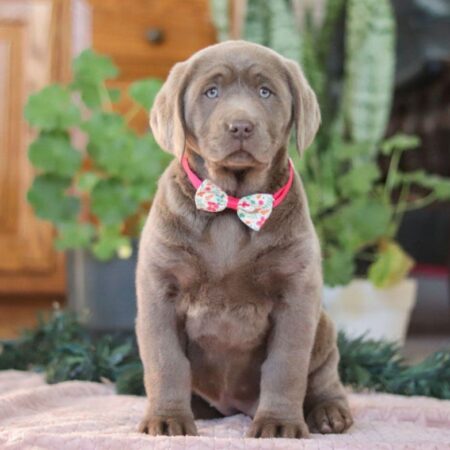
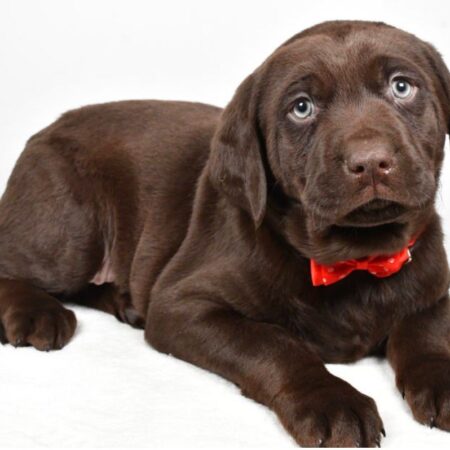
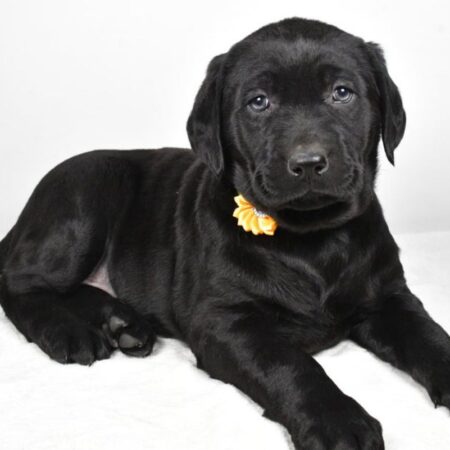
PuppyGuyz offers nationwide home delivery, making it easy to find your perfect Standard Poodle puppy no matter where you live. While we deliver across the entire USA, here are some popular states where our clients often reside:
Looking for a Standard Poodle puppy in your area? We deliver healthy, well-socialized puppies to families across the United States. Explore our available puppies by state to find the perfect addition to your family:
Yes, Standard Poodles are often considered one of the best breeds for first-time owners. Their high intelligence, eagerness to please, and strong desire for training make them relatively easy to teach and manage, especially with consistent positive reinforcement.
Standard Poodles require a high level of physical and mental exercise daily. Aim for at least 60-90 minutes of vigorous activity, including daily walks, active playtime (like fetch), and mental stimulation through training or puzzle toys. They also love activities like swimming, hiking, and dog sports.
Standard Poodles are one of the lowest-shedding dog breeds, and when they do shed, their curly coat traps the hair, making them excellent choices for individuals with allergies. They are widely considered hypoallergenic because they produce less dander (dead skin cells), which is the primary cause of pet allergies.
On average, a healthy Standard Poodle can live for 10 to 18 years. Proper nutrition, regular veterinary care, and an active lifestyle contribute significantly to their longevity.
Standard Poodles are considered a medium to large breed. They typically stand between 22 to 27 inches tall at the shoulder and can weigh anywhere from 40 to 70 pounds.
No, Standard Poodles are not naturally aggressive. They are known for their cheerful and sensitive dispositions. However, like any dog, they can exhibit aggressive behaviors if they are fearful, anxious, feel threatened, or lack proper early socialization and training. With consistent, positive handling, they are generally warm and friendly.
Absolutely! Standard Poodles make wonderful family pets. They are loving, loyal, and possess a playful personality. While generally good with children, their energy can lead to accidentally knocking over very small kids. They tend to be a better fit for families with older children who understand how to interact appropriately with a dog.
An adult Standard Poodle typically needs between 1.5 to 3 cups of high-quality dry dog food per day, divided into two meals. Puppies may require around 2 cups per day, split into more frequent feedings. Always consult your veterinarian for specific dietary recommendations tailored to your dog’s age, size, and activity level.
Yes, with proper early socialization and training, Standard Poodles can coexist very well with cats and other pets. Their intelligent and often mellow demeanor makes them adaptable to multi-pet households, especially if introduced thoughtfully and given sufficient daily playtime and exercise.
Yes! Standard Poodles are excellent swimmers and generally love the water. They were originally bred as water retrievers in Germany, so swimming is deeply ingrained in their nature and provides a fantastic form of exercise.
Standard Poodles do not typically make good “guard dogs” in the sense of attacking intruders, as aggression is not inherent to their nature. However, due to their protective instincts and alertness, they make very good “watchdogs” who will bark to alert you to strangers or unusual activity.
Standard Poodles can be predisposed to conditions such as bloat (gastric torsion), hip and elbow dysplasia, Addison’s disease, epilepsy, eye disorders (like PRA), thyroid issues (hypothyroidism), von Willebrand’s disease, and sebaceous adenitis. Responsible breeders screen for these conditions to promote healthier litters.