Maltipoo at a Glance: Quick Facts

The Soul of a Maltipoo: Temperament and Personality

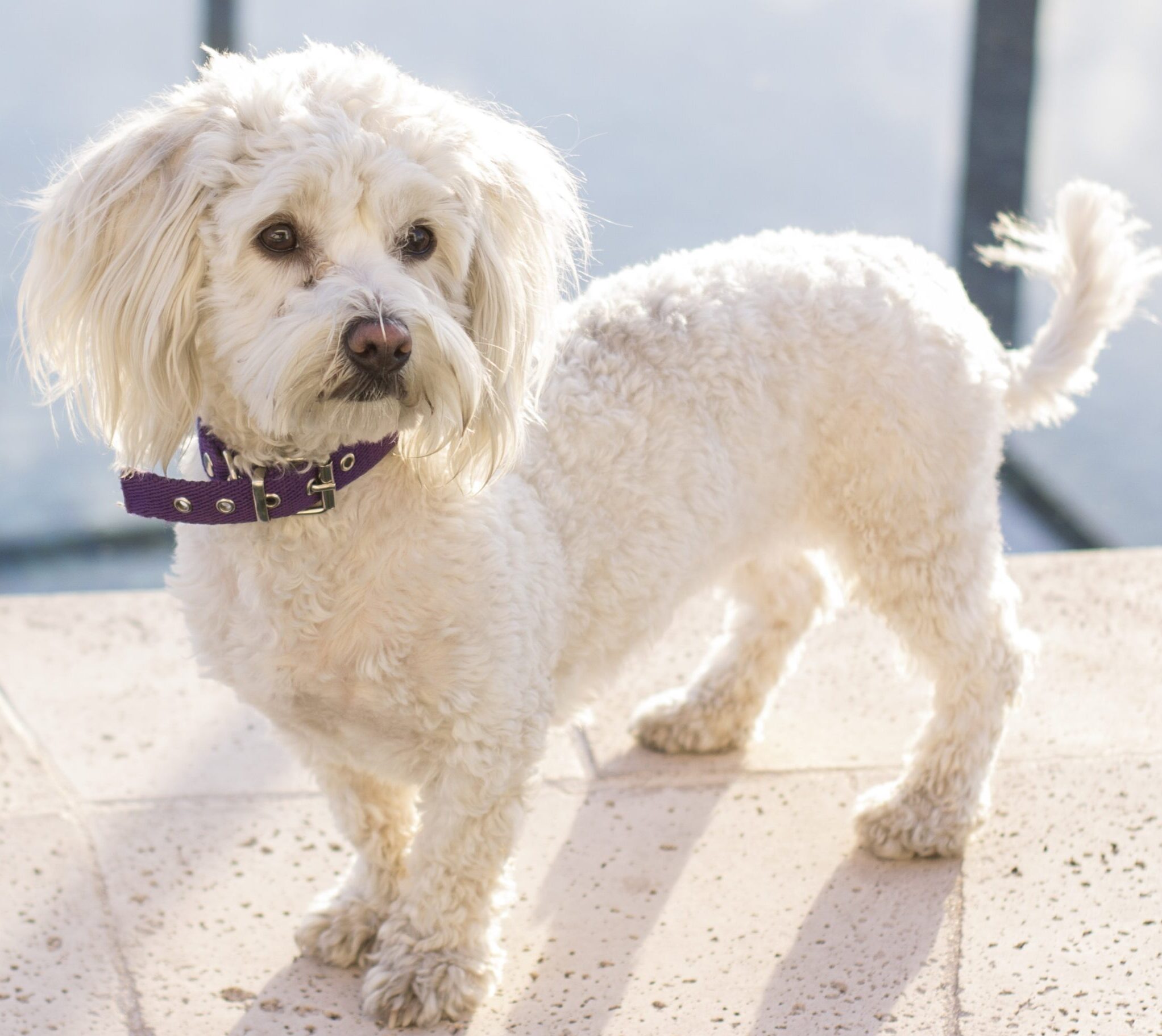
Shot of a cute, adorable groomed white poodle dog with a purple collar

The Maltipoo is a true testament to the positive traits inherited from its distinguished parent breeds, the Maltese and the Poodle. At its core, the Maltipoo is renowned for an incredibly affectionate, gentle, and utterly charming personality. These devoted little dogs thrive on human companionship, craving attention and showering their owners with cuddles. They possess a sensitive nature, often described as being highly attuned to people’s needs, which makes them exceptional companions and even outstanding therapy dogs.

Their playful spirit ensures there’s never a dull moment; Maltipoos love to engage in games and have a joyful zest for life. Despite their sometimes energetic bursts, they are equally content to snuggle up on the couch for a relaxing evening. Early and consistent socialization is key to nurturing their naturally open and friendly disposition. When well-socialized from a young age, Maltipoos generally get along wonderfully with children, other dogs, and even various household pets and strangers. While they can be prone to barking as an alert, especially when they hear unfamiliar sounds or when overly excited, this behavior can be effectively managed with proper training and redirection towards more positive outlets. Their intelligence and eager-to-please attitude contribute significantly to their lovable and adaptable temperament, making them a joy to live with.

Is a Maltipoo Right For Your Family & Lifestyle?

Choosing a dog is a significant decision, and ensuring the breed aligns with your lifestyle is crucial for a happy home. The Maltipoo, with its unique blend of traits, can be a fantastic fit for many, but it’s not universally perfect. Here’s an honest look at who would thrive with a Maltipoo and who might want to consider another breed:

Caring for Your Maltipoo: Needs & Recommendations

Providing comprehensive care for your Maltipoo is essential for their health, happiness, and longevity. This practical guide covers key aspects of their needs, enhanced with specific, actionable tips to ensure your furry friend thrives.

Diet & Nutrition

A balanced diet is the cornerstone of your Maltipoo’s health. Due to their small size and moderate energy levels, choose a high-quality dry kibble specifically formulated for small breeds, or one appropriate for all life stages, that lists real meat as the first ingredient.

  • Recommended: Look for brands with natural ingredients, free from excessive fillers, by-products, and artificial preservatives.
  • Portion Control: Follow the guidelines on the dog food packaging based on your Maltipoo’s weight and activity level. Small breeds are prone to weight gain, which can exacerbate joint problems, so monitor their intake.
  • Feeding Schedule: Typically, puppies require 3-4 small meals a day, while adults do well with two meals.
  • Treats: Use treats sparingly for training and rewards, ensuring they are healthy and low in calories.
  • Hydration: Always provide fresh, clean water.
Exercise Requirements

Maltipoos have a moderate activity level that fits well into most lifestyles. They enjoy short bursts of energy, often racing around the house, followed by periods of rest and cuddles.

  • Daily Walks: Two to three short daily walks (15-20 minutes each) are usually sufficient to meet their physical and mental stimulation needs. These walks also provide valuable socialization opportunities.
  • Playtime: Incorporate interactive playtime, such as fetch in a secure yard or indoor games. Toys that challenge their intelligence, like puzzle feeders, are also great.
  • Socialization: If you plan a trip to the dog park, ensure your Maltipoo is well-socialized and that the park environment is safe for small dogs to prevent accidental injury from larger, more boisterous breeds.
  • Avoid Extremes: While adaptable to various climates, Maltipoos are sensitive to extreme heat or cold. Adjust outdoor activities accordingly to protect their small bodies.
Grooming

This is where the Maltipoo’s “low-shedding” perk comes with a responsibility. Their fluffy, soft coats (which can range from slightly wavy to curly) require diligent care to prevent matting and maintain their hypoallergenic qualities.

  • Daily Brushing: This is non-negotiable. Use a slicker brush and a metal comb to gently work through their coat, focusing on areas prone to tangles like behind the ears, armpits, and legs.
  • Monthly Baths: Bathe your Maltipoo monthly using a mild, dog-specific shampoo and conditioner to keep their coat clean and healthy. Ensure thorough drying to prevent skin issues.
  • Professional Grooming: Schedule professional grooming or clipping every 6-8 weeks. A professional groomer can maintain a shorter, more manageable puppy cut, which can be beneficial, especially in warmer months.
  • Ear Care: Regularly check your Maltipoo’s ears for redness, odor, or excessive wax. Gently clean their ears with a veterinarian-approved solution if needed to prevent ear infections, especially given their floppy ears which can trap moisture.
  • Nail Trims: Trim your dog’s nails every 2-4 weeks, or as needed. Long nails can cause discomfort, pain, and even lead to posture problems. Introduce nail trimming early and make it a positive experience.
  • Dental Care: Small breeds are particularly prone to dental disease, including gum disease. Implement a daily dental hygiene routine, such as brushing their teeth with canine toothpaste. Regular dental check-ups and professional cleanings at the vet are also highly recommended to prevent painful dental issues later in life.
Training & Socialization

Maltipoos are intelligent, eager to please, and highly trainable, making them an excellent fit for owners of all experience levels.

  • Positive Reinforcement: They respond best to positive, reward-based training methods. Use treats, praise, and play to encourage desired behaviors. Harsh tones or scolding can be counterproductive due to their sensitive nature.
  • Early Socialization: Start obedience training and socialization as early as possible. Expose your Maltipoo puppy to a variety of sights, sounds, people, and other friendly animals in controlled, positive environments. This helps them grow into well-adjusted, confident adults.
  • Consistency is Key: Patience and consistency are paramount. Establish a routine for feeding, potty breaks, exercise, and training sessions.
  • Potty Training: Be diligent with potty training. Small breeds often have smaller bladders and require frequent trips outside.
  • Managing Barking: While they can be alert barkers, excessive barking can be managed through training. Identify the triggers and teach “quiet” commands, redirecting their attention.

By dedicating time and effort to these care aspects, your Maltipoo will not only look their best but also live a long, healthy, and joyous life by your side.

Health & Lifespan: What to Expect

Responsible ownership includes being aware of potential health considerations for your Maltipoo. While generally healthy, like all breeds, Maltipoos can be predisposed to certain genetic conditions inherited from their Maltese and Poodle lineage. Understanding these helps you provide proactive care and choose a reputable breeder.

Common health concerns to be aware of include:

  • Epilepsy: A neurological disorder that can cause seizures.
  • Patellar Luxation: A condition where the kneecap slips out of place, common in small breeds.
  • Progressive Retinal Atrophy (PRA): A group of genetic diseases that cause degeneration of the retina, leading to blindness.
  • Portosystemic Shunt (PSS): An abnormal connection between blood vessels that bypasses the liver.
  • White Shaker Syndrome: A condition primarily affecting white-coated dogs, causing full-body tremors.
  • Legg-Calve-Perthes Disease: A condition affecting the hip joint, common in toy breeds.
  • Dental Disease: Small breeds are highly susceptible to dental issues like gum disease, which can lead to more serious health problems if left untreated.

At PuppyGuyz, we emphasize that good breeding practices are paramount. Reputable breeders thoroughly screen their parent dogs for these preventable issues through health clearances and DNA testing. This significantly reduces the likelihood of passing on genetic conditions to Maltipoo puppies. Always ask about the health history of the parents and inquire about any health guarantees offered by the breeder.

With proper care, a balanced diet, regular exercise, and routine veterinary check-ups, a Maltipoo typically enjoys a healthy and fulfilling lifespan of 10 to 15 years. Smaller dogs tend to have longer lifespans compared to larger breeds, and the Maltipoo’s mixed-breed vigor can sometimes contribute to greater overall health.

The History of the Maltipoo: From the United States to Your Home

istockphoto 1489183661 612x612

The Maltipoo is not a historically ancient breed with roots stretching back centuries, but rather a “designer dog” with a relatively recent origin, largely attributed to the United States during the past few decades. The creation of the Maltipoo was a deliberate effort to combine the most desirable traits of its parent breeds: the gentle, charming, and low-shedding Maltese, and the intelligent, athletic, and hypoallergenic Poodle (specifically the Miniature or Toy Poodle varieties).

Breeders sought to create a small, friendly, and low-allergen companion dog, ideal for families and individuals living in various environments, including apartments. While not recognized by the American Kennel Club (AKC) due to its mixed-breed status, the Maltipoo has gained widespread popularity and is recognized by various hybrid dog clubs, such as the American Canine Hybrid Club and the North American Maltipoo Club and Registry. Its development reflects a modern trend in dog breeding to achieve specific temperamental and physical characteristics tailored for companionship in contemporary lifestyles. The Maltipoo’s endearing qualities quickly cemented its place as a beloved family pet, appreciated for its affectionate nature and puppy-like appearance that it often maintains throughout its life.

Meet Our Available Maltipoo Puppies

Ready to welcome a bundle of joy into your home? Our dynamic gallery features healthy, happy Maltipoo puppies from trusted, ethical breeders. Each puppy is eager to find their forever family and promises a lifetime of love and wagging tails! Click to learn more about their unique personalities and traits.

View all Available Puppies

Find a Maltipoo Near You

At PuppyGuyz, we connect you with exceptional Maltipoo puppies and provide safe, convenient nationwide home delivery. Here are some of the states where our Maltipoo puppies frequently find their loving homes:

Looking for a Maltipoo puppy in your area? We deliver healthy, well-socialized puppies to families across the United States. Explore our available puppies by state to find the perfect addition to your family:

click here to Check all States

Your Comprehensive Maltipoo FAQ

Here are some of the most frequently asked questions about the Maltipoo breed, providing detailed answers to help you understand if this charming dog is the right fit for you.

What is a Maltipoo?

A Maltipoo is a hybrid or “designer” dog breed resulting from the cross between a purebred Maltese and a purebred Poodle (typically a Miniature or Toy Poodle). This intentional cross aims to combine the best qualities of both parent breeds, such as the Maltese’s gentle nature and the Poodle’s intelligence and low-shedding coat.

How big do Maltipoos get?

The size of a fully-grown Maltipoo can vary depending on the size of its Poodle parent (Toy Poodle vs. Miniature Poodle). On average, Maltipoos typically stand between 8 to 14 inches tall at the shoulder.

How much do Maltipoos weigh?

Similar to their height, Maltipoo weights can vary significantly, generally ranging anywhere from 5 to 20 pounds. It’s crucial for owners to remember that these are small dogs, and extra care should be taken, especially when around young children, to prevent accidental injury during play.

How long do Maltipoos live?

Maltipoos generally have a relatively long lifespan compared to many other breeds. On average, a healthy Maltipoo can live anywhere from 10 to 15 years. Their longevity is often attributed to the tendency for smaller dogs to have longer lifespans and the genetic diversity gained from being a hybrid breed.

Do Maltipoos shed?

Maltipoos are considered a low-shedding breed. Because both their parent breeds, the Maltese and the Poodle, are known for their low-shedding coats, Maltipoos typically inherit this trait. While no dog is entirely “non-shedding,” Maltipoos produce minimal dander, making them a popular choice for individuals concerned about pet allergies. The texture of their coat can range from slightly wavy to curly.

Are Maltipoos hypoallergenic?

Yes, Maltipoos are widely considered to be a hypoallergenic breed. While no dog is 100% hypoallergenic, Maltipoos produce very low amounts of dander (dead skin flakes that trigger allergies) because of their minimal shedding. This characteristic makes them an ideal choice for many individuals who suffer from dog allergies.

Do Maltipoos bark a lot?

Maltipoos are not typically known for excessive, continuous, or loud barking. However, like all dogs, they will bark. They might bark to alert you to strangers, during playtime, or if they are feeling anxious or overly energetic. With proper training and early socialization, you can manage their barking tendencies and ensure it remains an “alert” rather than a constant nuisance.

Are Maltipoos smart?

Yes, Maltipoos are very intelligent dogs. This high level of intelligence is inherited from both their parent breeds; both Maltese and Poodles are recognized as highly intelligent dogs. Their smarts make them quick learners, which is a significant advantage when it comes to training.

Are Maltipoos easy to train?

Given their intelligence and eagerness to please their owners, Maltipoos are generally considered easy to train. They pick up new commands and behaviors quickly. However, successful training requires consistency and patience from the owner. Positive reinforcement techniques, such as rewards, praise, and play, yield the best results, as their sensitive nature means they don’t respond well to harsh tones or scolding. It’s best to start socialization and obedience training as early as possible.

Are Maltipoos aggressive?

Maltipoos are not typically known for being an aggressive breed; in fact, they are celebrated for their gentle and friendly disposition. Any display of aggressive traits is usually uncharacteristic of the breed and often stems from factors such as improper training or socialization, underlying health issues, fear, anxiety, or resource guarding (e.g., around food). With proper care and a loving environment, they are affectionate companions.