Toy Poodle at a Glance: Quick Facts

The Soul of a Toy Poodle: Temperament and Personality

istockphoto 1403454705 612x612

The Toy Poodle’s personality is a masterclass in contrasts. They possess a regal, almost aristocratic air, yet they are incredibly playful and love to perform tricks for their adoring audience. Their most defining trait is their brilliant intelligence. Ranked as the second smartest dog breed in the world, Toy Poodles learn with astonishing speed and have an impressive capacity for understanding, with some experts believing they can learn up to 400 words. This intelligence is coupled with a deep emotional sensitivity; they are remarkably attuned to their owner’s moods, making them exceptional companions and emotional support animals.

They are affectionate little dogs that bond very closely with their families, thriving on human companionship and attention. A well-socialized Toy Poodle is a friend to all, getting along well with other dogs, pets, and even strangers once properly introduced. While they are a toy breed, they are not timid. They carry themselves with a perky, confident posture and have plenty of energy for games and activities. They are the perfect blend of a cuddly lap dog and an engaging, active partner.

Is a Toy Poodle Right For Your Family & Lifestyle?

The Toy Poodle is an adaptable and wonderful companion, but their high intelligence and grooming needs require a serious commitment. An honest look at your daily life is essential before bringing home this tiny, clever canine.

Caring for Your Toy Poodle: Needs & Recommendations

Proper care is the key to a long, happy life with your Toy Poodle. They require dedicated attention to their diet, exercise, extensive grooming, and training need

Diet & Nutrition

A high-quality diet formulated for small breeds will give your Toy Poodle the energy they need. Adults typically eat between ¼ and ½ cup of premium dry kibble per day, divided into two meals. Because small breeds are more prone to dental disease, dry kibble is often recommended to help reduce tartar buildup. Always provide access to fresh, clean water.

Exercise Requirements

Poodles are high-energy dogs, and the Toy variety is no exception. While they are small, they are not couch potatoes. They need daily walks plus dedicated playtime to be happy and healthy. Their intelligence means they also need mental exercise; challenging games and puzzle toys are excellent for keeping their sharp minds occupied, especially if they need to be left alone for short periods. They are also known to be great swimmers, but always use a doggy life vest for safety.

Grooming

The Toy Poodle’s coat is prized for being hypoallergenic and non-shedding, but it is very high-maintenance. The curly coat requires daily brushing to remove tangles and prevent painful mats from forming. A professional groomer is needed every 4 to 6 weeks to maintain their signature clip. You should also plan to bathe your Toy Poodle about every three weeks to keep their coat clean and healthy. In addition to coat care, you must trim their nails monthly and brush their teeth daily to prevent painful dental disease, which is common in small breeds.

Training & Socialization

Training a Toy Poodle is a joy. Their extreme intelligence and desire to please their owners mean they excel in obedience and can learn tricks with ease. They thrive on positive reinforcement, so keep training sessions fun and rewarding. The main training hurdle is often potty training; their tiny bladders mean frequent trips outside are necessary, especially during puppyhood. Patience and consistency are key. Early and thorough socialization will help them grow into confident, well-mannered dogs and will temper their natural tendency to bark.

Health & Lifespan: What to Expect

The Toy Poodle boasts a remarkably long lifespan, typically living for 10 to 18 years. While generally healthy, they are predisposed to certain genetic conditions common in the breed. A responsible breeder will screen their dogs for these issues.

Potential health concerns include:

  • Patellar Luxation: A condition where the kneecap slips out of place.
  • Eye Disorders: Including Progressive Retinal Atrophy (PRA) and cataracts.
  • Legg-Calve-Perthes Disease: A hip disorder that affects small breeds.
  • Idiopathic Epilepsy: A seizure disorder.
  • Immune-Mediated Disorders and Von Willebrand’s Disease (a blood-clotting disorder).
  • Sebaceous Adenitis: A skin condition.

The Poodle Club of America recommends breeders conduct hip and patella evaluations, an ophthalmologist evaluation, and specific DNA tests. At PuppyGuyz, we work exclusively with breeders who follow these best practices for health screening.

The History of the Toy Poodle: From European Courts to Your Home

istockphoto 2169689428 612x612

While the Poodle breed originated in Germany as a water retriever, the Toy Poodle’s story is one of royal refinement. During the 18th century, the smaller Miniature Poodle became a favorite in the courts of the French nobility, including King Louis XVI. These nobles adored their fashionable companions and began breeding them to be even smaller. The Toy Poodle as we know it today was perfected in the United States in the early 20th century, created specifically as a fashionable and intelligent companion for city dwellers. They quickly became one of the most popular toy breeds, recognized by the American Kennel Club as a distinguished member of the Toy Group.

Meet Our Available Toy Poodle Puppies

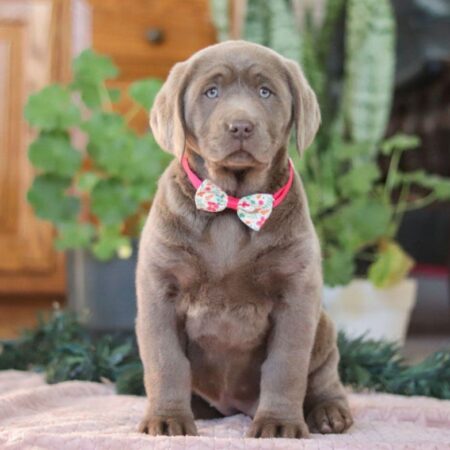
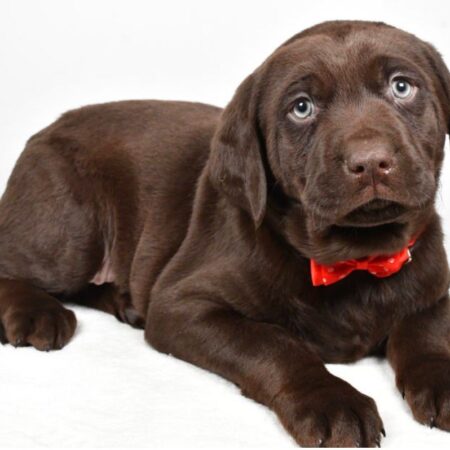
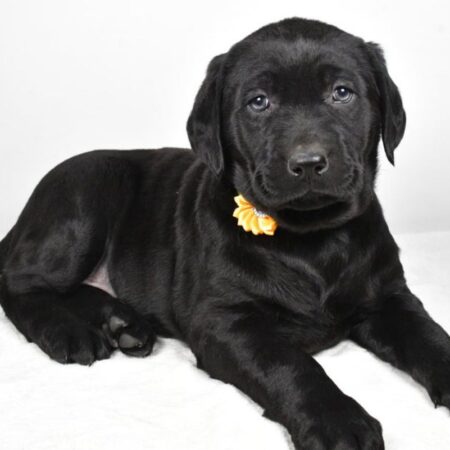
Your search for the perfect, intelligent, and elegant Toy Poodle puppy ends here. Below is our gallery of available puppies from our exclusive network of ethical, vetted breeders. Each puppy has been raised with love and is ready to become the center of your world. Click on a profile to see more photos and videos!

View all Available Puppies

Find a Toy Poodle Near You

PuppyGuyz is proud to offer our signature safe and convenient nationwide home delivery. However, we also have strong partnerships with ethical breeders across the country. If you’re looking for a Toy Poodle puppy in your region, start by checking these popular locations:

Looking for a Toy Poodle in your area? We deliver healthy, well-socialized puppies to families across the United States. Explore our available puppies by state to find the perfect addition to your family:

click here to Check all States

Your Comprehensive Toy Poodle FAQ

We’ve combined every common question with our expert knowledge and competitor analysis to create the single most complete Toy Poodle FAQ on the web.

Are Toy Poodles really hypoallergenic?

Yes, they are considered one of the best breeds for people with allergies. Their non-shedding, hair-like coat traps dander instead of releasing it into the air, making them much more tolerable for allergy sufferers.

Do Toy Poodles bark a lot?

They can be prone to frequent barking. They often engage in “trigger barking” in response to a sound or situation. This behavior can be managed with consistent training and by ensuring they don’t get bored.

Are Toy Poodles good with kids?

They are best suited for families with older, gentle children. A Toy Poodle’s bones are very fragile, and they can be easily injured or provoked to snap by the unintentional rough play of a toddler.

Are Toy Poodles easy to potty train?

Their intelligence helps them learn quickly, but their tiny bladders can make the process challenging. Success requires a very consistent schedule with frequent potty breaks, especially for puppies.

How smart are Toy Poodles?

They are exceptionally intelligent, ranked as the second smartest dog breed in the world, just behind the Border Collie. They are easy to train and have a high emotional intelligence.

Can Toy Poodles be left alone?

Not for long periods. They are highly social dogs that thrive on human companionship and can easily develop separation anxiety if left alone too often.

Are Toy Poodles aggressive?

They are not an inherently aggressive breed. However, due to their fragile size, they can become defensive and snap if they feel threatened, are teased, or are mishandled. Early socialization is crucial to prevent fear-based reactions.

How often should I bathe my Toy Poodle?

To maintain their regal appearance and healthy coat, a bath is recommended once every three to six weeks.