-
×
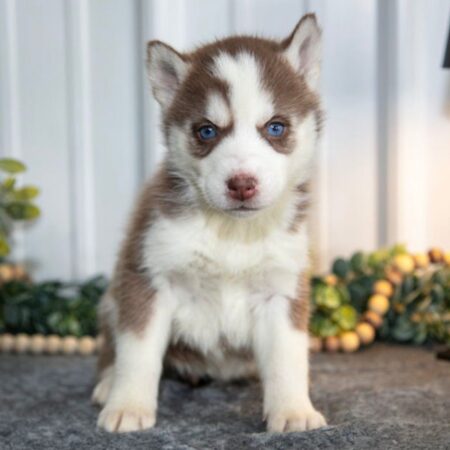 Siberian Husky - Betty
1 × $2,350.00
Siberian Husky - Betty
1 × $2,350.00
Subtotal: $2,350.00

Affectionate, Playful, Charming, Intelligent, Devoted
8-15 inches
Males: 51-70 pounds; Females: 40-55 pounds
10-16+ years
High; daily brushing and professional grooming every 4-6 weeks
Moderate; daily walks and playtime are sufficient
Families, singles, seniors, apartment dwellers, other pets (with socialization)
Low; considered hypoallergenic

The Shih-Poo’s personality is a delightful cocktail of its beloved parent breeds. They inherit the Poodle’s high intelligence and the Shih Tzu’s profound desire for companionship, creating a dog that is both clever and incredibly loving. A Shih-Poo’s primary purpose in life is to be with their favorite people. They are avidly devoted, thriving on attention and affection, and are just as happy to be cuddling on your lap as they are to be the playful center of attention. Their friendly, sweet, and fun-loving nature makes them fantastic companions and even ideal candidates for emotional support animals.
While they are small, they are courageous and alert, making them excellent little watchdogs who will confidently announce the arrival of a stranger. However, they are not aggressive; their barking is more out of awareness than hostility, and a well-socialized Shih-Poo is friendly towards other dogs, children, and new people. This is a dog that craves your attention, is eager to please, and whose curious and confident nature makes them a constant source of joy and amusement. They are true companion dogs, happiest when they are a fully integrated member of the family.
The Shih-Poo is a highly adaptable and loving dog, making them a great fit for many households. However, their need for human companionship and significant grooming requirements demand a committed owner.
First-Time Owners: Their intelligence and eagerness to please make them a fantastic choice for novices who are prepared to be consistent with training.
Apartment Dwellers: Their compact size and moderate exercise needs allow them to thrive in smaller living spaces like apartments or condos.
Seniors and Less Active Individuals: While playful, they don’t require intense exercise and are more than content with daily walks and lots of lap time.
Allergy Sufferers: Thanks to their Poodle heritage, they have a low-shedding coat that is considered hypoallergenic, making them suitable for many people with allergies.
You Have Very Young Children: Like many small breeds, Shih-Poos are delicate and can be easily injured by the accidental rough play of a toddler. They do best with older children who know how to handle a small dog gently.
No One is Home During the Day: They bond deeply and crave attention. Being left alone for more than four or five hours at a time can lead to separation anxiety and unwanted behaviors.
You Dislike Grooming: Their beautiful coat is high-maintenance. It requires daily brushing to prevent mats and regular trips to a professional groomer.
You Want a Completely Independent Dog: This is a companion breed through and through. They need to be a central part of your daily life and will not be happy left to their own devices.
A high-quality diet formulated for small-breed dogs is essential for your Shih-Poo’s health. An adult typically eats one to two small meals a day, totaling about 1 to 1.5 cups of food. For puppies, the schedule is more frequent: 2-4 month-olds should eat four to six small meals a day, while 4-6 month-olds can be fed three times a day. High-quality dry kibble is often recommended as it can help with dental hygiene. Always consult your veterinarian to establish the best diet and feeding schedule for your specific puppy’s needs.
Shih-Poos are moderately active and can adapt their energy level to their family’s lifestyle. A daily walk of 20-30 minutes, combined with some dedicated indoor or outdoor playtime, is usually sufficient to keep them happy and healthy. They love games of fetch and can even excel in dog sports like rally and obedience. While they love to be active with you, their small size means you should monitor them for fatigue during more strenuous outings.
The Shih-Poo coat is one of its most appealing features, but it requires significant maintenance. Their coat can range from the long, silky hair of a Shih Tzu to the curly, non-shedding coat of a Poodle. Most end up with a wavy or curly coat that is low-shedding. Daily brushing is essential to prevent tangles and painful mats. Professional grooming is recommended every 4 to 6 weeks for a trim. In addition to coat care, you must trim their nails monthly, check and clean their ears weekly, and brush their teeth daily to prevent dental disease, which is common in small breeds.
The Shih-Poo’s high intelligence makes them a highly trainable dog. They are quick learners and eager to please, responding best to positive, reward-based training. However, they can have a stubborn streak, which can sometimes make housebreaking difficult. Consistency, patience, and a positive approach are crucial. Crate training can be a helpful tool, and many Shih-Poos can even be taught to ring a potty bell. Early and frequent socialization will ensure your puppy grows into a confident, well-behaved dog that is friendly with strangers and other animals.
The Shih-Poo is generally a healthy dog with an impressive lifespan, often living 10 to 16 years or more. As a mixed breed, they can be susceptible to the health conditions common in both the Shih Tzu and the Poodle. Reputable breeders screen their dogs to avoid passing on preventable genetic issues.
Talking to your breeder about the genetic history of the parents and asking to see health clearances is a crucial step in ensuring you get a healthy puppy.

The Shih-Poo is a relatively new designer dog breed that originated in the United States. Breeders sought to create a small, friendly companion with the hypoallergenic coat of the Poodle and the sturdy, affectionate nature of the Shih Tzu. With two of the world’s most popular breeds as parents, it’s no surprise the Shih-Poo became an instant success. While not recognized by the American Kennel Club (AKC), the Shih-Poo is recognized by other registries like the American Canine Hybrid Club (ACHC) and the Designer Dogs Kennel Club, solidifying its place as a cherished hybrid breed.
Your search for the perfect, clever, and cuddly companion is over! Below you will find our gallery of available Shih-Poo puppies from our exclusive network of ethical, vetted breeders. Each puppy is raised in a loving home environment and is ready to become your new best friend. Click a profile to see more photos, videos, and details!

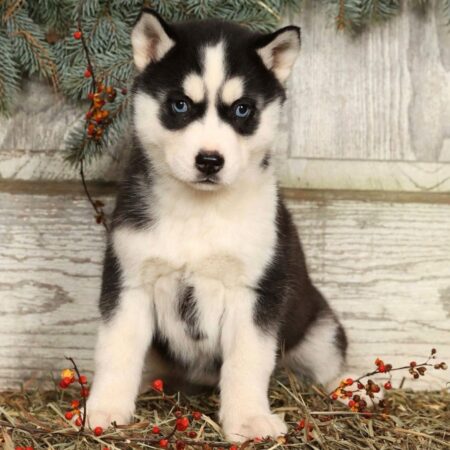
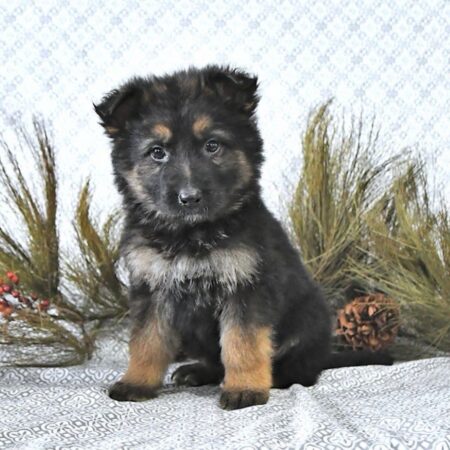
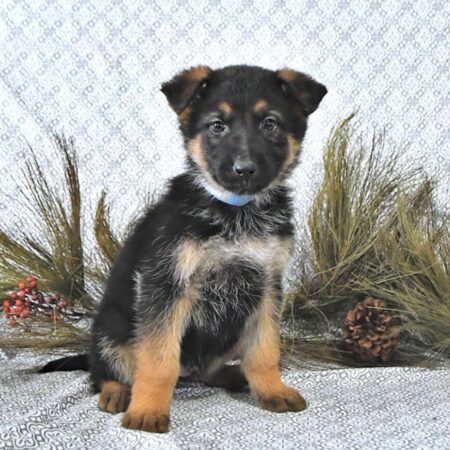
PuppyGuyz is proud to offer our signature safe and convenient nationwide home delivery. However, we also have strong partnerships with ethical breeders across the country. If you’re looking for a Shih-Poo puppy in your region, start by checking these popular locations:
Looking for a Shih-Poo puppy in your area? We deliver healthy, well-socialized puppies to families across the United States. Explore our available puppies by state to find the perfect addition to your family:
We’ve gathered every common question about Shih-Poos, combining our expert knowledge with competitor analysis to create the most complete FAQ you’ll find anywhere.
A Shih-Poo is a designer dog created by crossing a Shih Tzu with a Miniature or Toy Poodle. They are also sometimes called a “Shoodle.”
Yes, they are excellent family dogs. They are adaptable, loving, and friendly. They are ideal for anyone who can give them plenty of attention, from a single person or retired couple to a family with older children.
No, they are not known to be big barkers. They will bark to alert you if they are hungry or sense a stranger, but it is generally not excessive, making them great for apartment living.
Their intelligence helps make them relatively easy to potty train. However, their small size and stubborn streak mean consistency and patience are essential. Crate training and using potty bells can be very effective methods.
A full-grown Shih-Poo typically stands 8-15 inches tall and weighs between 7 and 20 pounds.
It is best not to leave them alone for more than four hours at a time. They are social dogs that crave human companionship and can suffer from separation anxiety.
They have moderate exercise needs. A daily walk of 20-30 minutes, supplemented with regular playtime, is usually sufficient to keep them happy and healthy.