-
×
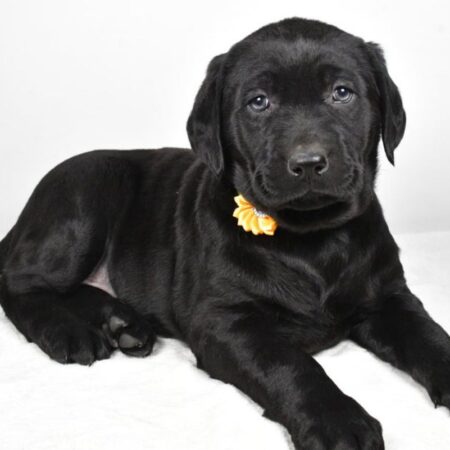 Labrador Retriever - Isabella
1 × $2,300.00
Labrador Retriever - Isabella
1 × $2,300.00
Subtotal: $2,300.00

Highly intelligent, eager to please, playful, affectionate, loyal, alert, can be reserved with strangers if not well-socialized.
10-15 inches (25-38 cm) at the shoulder
10-15 pounds (4.5-6.8 kg)
12-15 years
High; daily brushing recommended, professional grooming every 4-6 weeks to prevent matting. Requires regular ear cleaning, nail trims, and dental care.
Moderate to High; requires 30-60 minutes of daily activity, including walks, playtime, and mental stimulation.
Families with considerate children, other pets (with proper socialization), singles, seniors. Highly adaptable.
Very Low (often considered hypoallergenic), though consistent grooming is essential to manage dead hair and prevent mats.
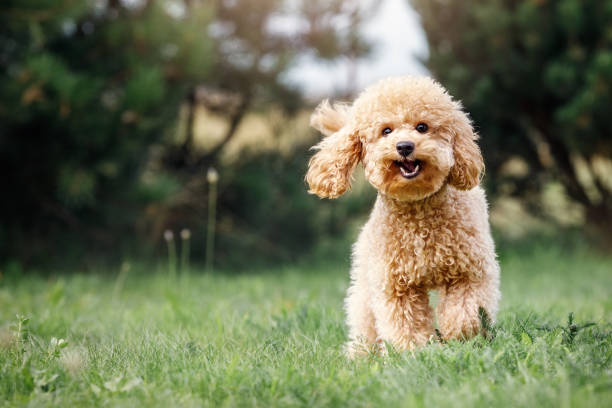
The Mini Poodle embodies a captivating blend of refined elegance and a spirited, joyful nature. Renowned for their exceptional intelligence, they are consistently ranked among the smartest dog breeds, making them incredibly quick learners and a joy to train. This sharp mind, coupled with an eager-to-please attitude, means they excel in obedience and dog sports, often picking up new commands with remarkable speed.
Beyond their intellect, Mini Poodles possess a deep capacity for affection and loyalty. They thrive on human companionship and are known to form strong, loving bonds with their families, often becoming very devoted “velcro dogs” who enjoy being involved in all household activities. Their playful spirit ensures there’s never a dull moment; they love a good game of fetch, chasing toys, or simply romping around with their loved ones. While generally outgoing with their families, some Mini Poodles can exhibit a degree of initial reservation with strangers. Early and consistent socialization is key to helping them develop into confident, well-adjusted adults who are comfortable in various social settings. They are also highly observant and can be excellent, albeit sometimes vocal, watchdogs, alerting you to new arrivals or unusual sounds. This combination of brains, brawn, and boundless love makes the Mini Poodle a truly special companion.
Bringing a Mini Poodle into your home is a decision that promises years of companionship, but it’s important to understand their specific needs to ensure a perfect match. Their intelligence and affectionate nature make them highly adaptable, yet they do best in environments where their unique qualities are appreciated and nurtured.
Individuals or families seeking an intelligent, trainable dog: Their high IQ means they excel in obedience and enjoy learning tricks or participating in dog sports like agility.
Those looking for an affectionate, devoted companion: Mini Poodles thrive on human interaction and form strong bonds, preferring to be an integral part of family life.
Owners committed to regular grooming: Their non-shedding coat requires consistent professional grooming and daily brushing to prevent mats.
People living in apartments or smaller homes: Their moderate size makes them well-suited for urban living, provided their exercise and mental stimulation needs are met.
You’re looking for a low-maintenance dog: Their grooming requirements are significant and non-negotiable.
You have a highly demanding schedule that leaves little time for a pet: Mini Poodles crave attention and can develop separation anxiety or destructive behaviors if left alone for extended periods too often.
You prefer a dog that sheds heavily (which Mini Poodles do not): Their unique coat requires consistent maintenance to remain healthy and beautiful.
You’re unwilling to provide consistent training and mental stimulation: Their intelligence means they can become bored and mischievous if not properly challenged.
A high-quality diet is fundamental for your Mini Poodle’s health and vitality. Choose a premium dog food specifically formulated for small to medium-sized breeds, ensuring it lists real meat as the primary ingredient. Due to their active nature and potential for sensitivity, look for foods free from excessive fillers, artificial colors, and by-products.
Despite their refined appearance, Mini Poodles are energetic and intelligent dogs that require consistent physical and mental exercise.
Grooming is arguably the most significant commitment when owning a Mini Poodle, but it’s essential for their health and distinctive appearance. Their non-shedding, curly coat constantly grows and can easily mat if neglected.
Mini Poodles are highly trainable and eager to please, making them excellent candidates for positive reinforcement training.
Mini Poodles are generally healthy dogs, enjoying a lifespan of 12-15 years or even longer with proper care. However, like all breeds, they are predisposed to certain genetic health conditions. Being aware of these potential issues allows you to monitor your dog’s health and work proactively with your veterinarian. Reputable breeders, like those partnered with PuppyGuyz, go to great lengths to screen their breeding stock for these conditions to minimize their occurrence in puppies.
Responsible breeders conduct extensive health screenings and genetic testing on their breeding dogs for these and other conditions. Always ask about the health clearances of the puppy’s parents to ensure you are getting the healthiest possible puppy. Regular veterinary check-ups, a balanced diet, and appropriate exercise are key to maintaining your Mini Poodle’s well-being throughout their life.

The Poodle’s history is steeped in practical utility and aristocratic elegance, with its origins tracing back to Germany rather than France, as commonly believed. The name “Poodle” itself comes from the German word “Pudel” or “Pudeln,” meaning “to splash in water,” clearly indicating their original purpose as water retrievers. These intelligent dogs were skilled at retrieving waterfowl for hunters, with their distinctive curly coats being strategically clipped to aid swimming efficiency while protecting vital organs.
While originating in Germany, the breed was refined in France, where it quickly became a symbol of status and companionship among the nobility, particularly during the 18th century. It was in France that the Poodle’s showy clip styles began to develop. Originally, there was only one size, the Standard Poodle. Over generations, breeders selectively bred smaller Poodles to create the Miniature and Toy varieties, primarily for companionship, to be kept in smaller homes, and for performing in circuses due to their remarkable intelligence and trainability. The Mini Poodle, specifically, emerged to offer a more manageable size while retaining the Standard’s elegant appearance and brilliant mind. Today, they continue their legacy as cherished companions worldwide.
Ready to welcome a bundle of intelligent joy into your life? Our Mini Poodle puppies are waiting to charm their way into your heart. Each puppy comes from ethically screened breeders, ensuring health, happiness, and a wonderful start in life. Click below to see the Mini Poodle puppies currently available for nationwide home delivery!

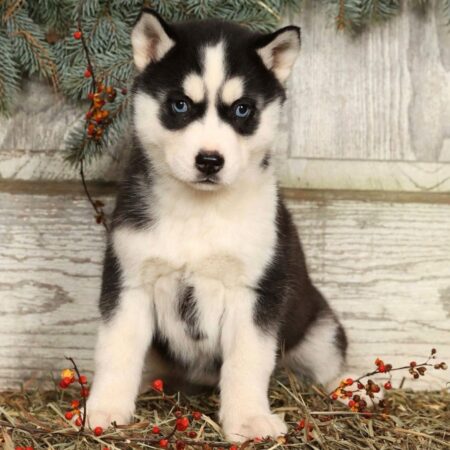
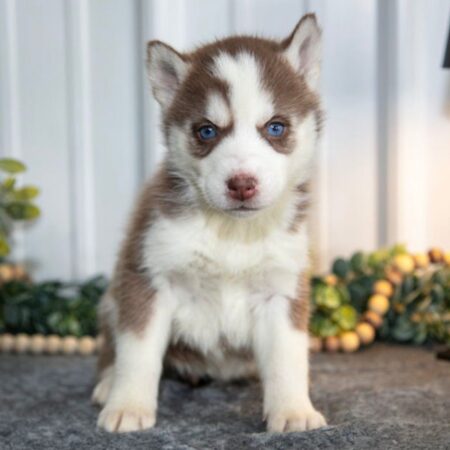
PuppyGuyz offers nationwide home delivery of our ethically-bred Mini Poodle puppies. While we connect you with puppies from responsible breeders across the country, you can often find breeders within driving distance or have your puppy safely transported to you. Some of the states where our network of Mini Poodle breeders often has availability include:
Looking for a Mini Poodle puppy in your area? We deliver healthy, well-socialized puppies to families across the United States. Explore our available puppies by state to find the perfect addition to your family:
We’ve compiled the most common questions about Mini Poodles to provide you with the most complete and trustworthy information available.
Yes, Mini Poodles can make excellent family pets. They are generally patient, playful, and affectionate. However, due to their smaller size, they are best suited for families with older, considerate children who understand how to interact gently with a dog. Early socialization and proper introductions are key to fostering positive relationships.
Mini Poodles are famous for their very low shedding coat, which makes them a popular choice for individuals with allergies. While no dog is 100% hypoallergenic, their unique hair-like coat produces less dander than breeds with traditional fur, making them often well-tolerated by allergy sufferers. Regular grooming is essential to manage this non-shedding coat and prevent matting.
In terms of grooming, yes, Mini Poodles are high-maintenance. Their coat requires daily brushing and professional grooming every 4-6 weeks. They also need significant mental stimulation and daily exercise to prevent boredom. However, their intelligence makes them highly trainable, which can simplify some aspects of care.
Mini Poodles require a moderate to high amount of exercise. Aim for at least 30-60 minutes of physical activity daily, such as walks, fetch, or playtime in a secure yard. They also need plenty of mental stimulation through training, puzzle toys, and interactive games to keep their intelligent minds engaged.
Mini Poodles thrive on human companionship and do not do well when left alone for extended periods. They are prone to separation anxiety, which can manifest as destructive chewing, excessive barking, or house-soiling. If you work long hours, consider a dog walker, doggy daycare, or ensuring someone is home for most of the day.
The primary difference is size. Standard Poodles are over 15 inches tall, Mini Poodles are 10-15 inches tall, and Toy Poodles are under 10 inches tall. While their sizes differ, all three varieties share the same intelligent, elegant, and generally affectionate temperament, though individual personalities can vary.
Mini Poodles can be prone to barking, especially if not properly trained or if bored. They have strong watchdog instincts and will often alert their owners to strangers or unusual sounds. Consistent training, early socialization, and ensuring their exercise and mental stimulation needs are met can help manage excessive barking.
Yes, Mini Poodles can be a good choice for first-time owners, provided they are committed to the breed’s specific needs. Their intelligence and eagerness to please make them relatively easy to train. However, first-time owners must be prepared for the significant grooming commitment and the need for consistent mental and physical stimulation.
Mini Poodles generally live between 12 and 15 years, with many living even longer with excellent care, a healthy diet, regular veterinary check-ups, and a bit of luck regarding genetics.
While generally healthy, Mini Poodles can be predisposed to certain genetic conditions, including Patellar Luxation (kneecap issues), Progressive Retinal Atrophy (eye condition), Legg-Calve-Perthes disease (hip condition), Addison’s Disease, Epilepsy, and Hypothyroidism. Reputable breeders screen their breeding stock to minimize these risks.
The cost of a Mini Poodle puppy can vary significantly based on the breeder’s reputation, the puppy’s lineage, geographical location, and included health clearances/guarantees. Expect to pay anywhere from $1,500 to $3,500 or more for a well-bred Mini Poodle puppy from a responsible breeder. Remember that the initial purchase price is just one part of the overall cost of dog ownership.