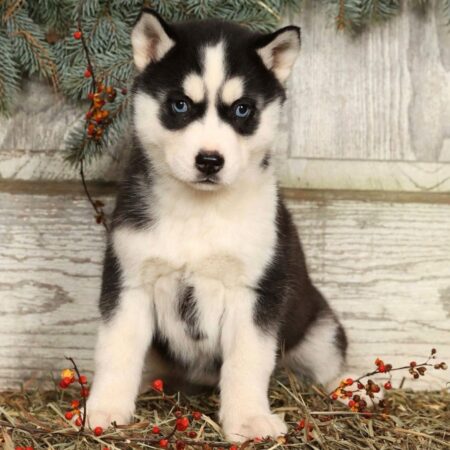
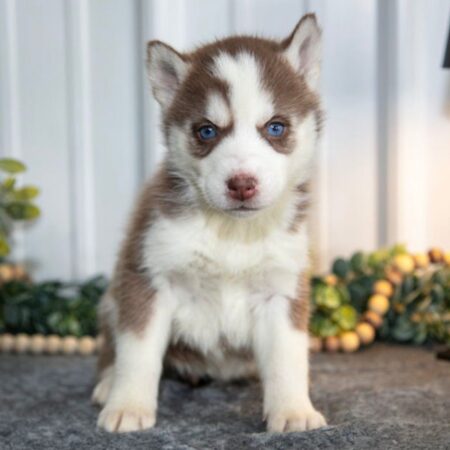
Siberian Husky at a Glance: Quick Facts

The Soul of a Siberian Husky: Temperament and Personality

istockphoto 1489427502 612x612

The Siberian Husky is a social butterfly wrapped in a wolf’s cloak. Their temperament is famously friendly and outgoing, not just with their family but often with strangers as well. They are deeply affectionate and form strong bonds with their human “pack,” thriving on inclusion and companionship. This is not a breed that does well with solitude; a lonely Husky is a bored, and often destructive, Husky.

While they don’t bark much, they are incredibly vocal. Huskies are known for their “talking,” which consists of an amusing and expressive array of howls, chirps, and woos to communicate their feelings. Their intelligence is sharp, but it’s paired with a mischievous and independent streak that can be a challenge. They are fun-loving, playful, and possess a free-spirited nature that is both endearing and demanding. This is a dog that still carries the instincts of its ancestors: a high prey drive, a love for the pack, and an insatiable desire to run. Understanding this core identity is the key to a successful relationship with this incredible breed.

Is a Siberian Husky Right For Your Family & Lifestyle?

A Siberian Husky can be a dream dog for the right person, but their unique needs make them a poor fit for others. It is crucial to be honest about your lifestyle before committing to this high-energy breed.

Caring for Your Siberian Husky: Needs & Recommendations

Providing the right care is essential for keeping your Siberian Husky healthy, happy, and well-behaved. Their needs are specific, particularly when it comes to exercise and grooming.

Diet & Nutrition

Siberian Huskies are surprisingly efficient eaters and often require less food than other breeds their size. Feed a high-quality dog food formulated for active, medium-sized breeds. Adults typically do well on 1.5 to 2 cups of food per day, split into two meals. Monitor their body condition closely and adjust as needed to prevent them from becoming overweight, which can strain their joints.

Exercise Requirements

This is the most critical aspect of Husky care. A tired Husky is a good Husky. They require at least an hour of vigorous exercise every single day. This means more than just a leisurely walk. They excel as running partners and are known for their incredible stamina, capable of running up to 30 miles per hour in short bursts. They love hiking, playing fetch, and participating in dog sports like agility. Without a proper outlet for their energy, they will resort to destructive behaviors like chewing, digging, and escaping.

Grooming

The Siberian Husky has a thick, dense double coat designed for arctic climates. The topcoat is water-resistant, while the undercoat provides insulation. They are remarkably “self-cleaning” and have little doggy odor, requiring only a few baths a year. However, they are prolific shedders. You must brush them at least a few times a week to manage loose hair. Twice a year, they “blow their coat,” shedding their entire undercoat over a few weeks. During this time, daily brushing with an undercoat rake and pin brush is essential. Never shave a Husky. Their double coat protects them from both cold and heat; shaving it ruins their natural insulation and can lead to sunburn and skin problems.

Training & Socialization

Training a Husky requires patience and a sense of humor. They are incredibly smart and learn quickly, but they will always question why they should do something. Keep training sessions short, fun, and engaging, using positive reinforcement. Early and consistent socialization is vital to manage their high prey drive, especially if you have cats or other small animals. Puppy training classes are highly recommended to build a strong bond and teach foundational obedience in a controlled environment. Focus heavily on recall (“come”) commands, but never trust them completely off-leash in an unfenced area.

Health & Lifespan: What to Expect

Siberian Huskies are a generally healthy breed with a lifespan of 12-15 years. However, they are prone to certain genetic conditions. A responsible breeder will screen their dogs to minimize these risks.

Common health concerns include:

      • Hip Dysplasia: A malformation of the hip joint that can lead to pain and arthritis.
      • Eye Disorders: They can be susceptible to issues like juvenile cataracts, progressive retinal atrophy (PRA), and corneal dystrophy.

At PuppyGuyz, our commitment is to the health and well-being of every puppy. We partner exclusively with breeders who conduct thorough health evaluations, including ophthalmologist and hip evaluations as recommended by the Siberian Husky Club of America. By starting with a well-bred puppy and providing excellent care, you are setting the foundation for a long, vibrant life with your Husky.

The History of the Siberian Husky: From the Arctic to Your Home

Husky on white background

The Siberian Husky’s story began over 4,000 years ago with the Chukchi people, a semi-nomadic tribe in Northern Siberia. They developed this breed as an endurance sled dog capable of hauling light loads over vast, frozen expanses, and also as a close family companion.

In 1908, these remarkable dogs were imported to Alaska to compete in long-distance sled races during the Nome Gold Rush. Their incredible speed and stamina quickly made them dominant champions. However, their true moment of international fame came in 1925. During a deadly diphtheria outbreak in Nome, teams of sled dogs, including many Siberian Huskies, relayed a life-saving serum across 674 miles of brutal arctic wilderness. The lead dog on the final leg, Balto, became a global hero, cementing the Husky’s reputation for courage and athleticism forever.

Meet Our Available Siberian Husky Puppies

Your adventure with one of the world’s most beautiful and spirited breeds starts now. The puppies listed below are raised in loving home environments by our network of ethical breeders. They are socialized, vet-checked, and ready to run straight into your heart.

View all Available Puppies

Find a Siberian Husky Near You

PuppyGuyz offers a safe, reliable, and convenient nationwide delivery service, bringing your new best friend right to your doorstep. We have a strong network of exceptional breeders in and around the following states:

Looking for a Blue Heeler in your area? We deliver healthy, well-socialized puppies to families across the United States. Explore our available puppies by state to find the perfect addition to your family:

click here to Check all States

Your Comprehensive Siberian Husky FAQ

We’ve gathered and answered every common question about Siberian Huskies to create the most complete resource on the web.

Where are Siberian Huskies from?

They originate from Northern Siberia, where they were developed by the Chukchi people as sled dogs and companions thousands of years ago.

How long do Siberian Huskies live?

Their average lifespan is quite healthy for a medium-sized dog, ranging from 12 to 15 years.

How big do Siberian Huskies get?

They are a medium-sized breed. Males grow to be 21-24 inches tall, while females are slightly shorter at 20-22 inches.

How much does a Siberian Husky weigh?

Males typically weigh between 45 and 60 pounds, and females weigh between 35 and 50 pounds.

When do Siberian Huskies stop growing?

They grow quickly in their first six months and usually reach their full adult size between 12 and 18 months of age.

Do Siberian Huskies shed?

Yes, they shed moderately year-round and heavily twice a year in the spring and fall. This seasonal shedding is known as “blowing their coat.”

Are Siberian Huskies hypoallergenic?

No, they are not hypoallergenic. Their double coat sheds a significant amount of hair and dander, making them unsuitable for people with allergies.

Are Siberian Huskies smart?

Yes, they are very intelligent and independent thinkers. This means they can learn quickly but may also choose to be stubborn if they don’t see the point in a command.

Do Siberian Huskies bark?

They rarely bark in the traditional sense. Instead, they are very vocal and communicate through a series of howls, “woos,” and other talkative sounds.