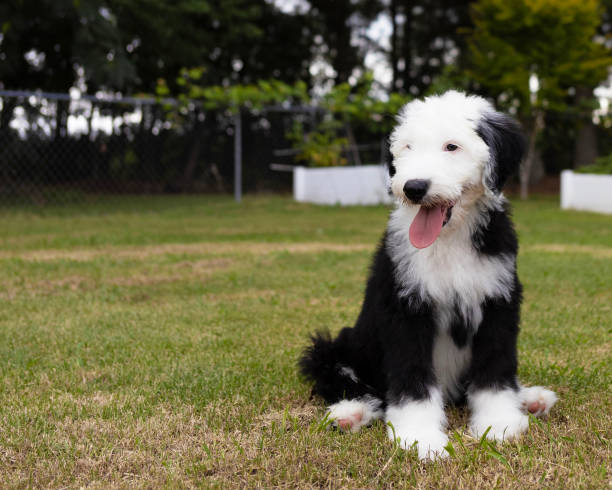
Sheepadoodle at a Glance: Quick Facts

The Soul of a Sheepadoodle: Temperament and Personality

istockphoto 2191293616 612x612

The Sheepadoodle’s personality is a captivating blend of their two distinct parent breeds, resulting in a dog that is often described as the perfect family companion. They are deeply affectionate and loving, forming strong bonds with their human families and thriving on attention and interaction. Their gentle disposition makes them particularly excellent with children, often displaying an innate understanding of how to be patient and quiet around younger kids. Many Sheepadoodle owners report that these dogs are incredibly expressive and intuitive, capable of picking up on human emotions and responding with comfort and playful antics.

Beyond their loving nature, Sheepadoodles are remarkably intelligent and eager to please. This makes them highly trainable, quick learners who enjoy engaging in activities that challenge their minds. Their playful spirit ensures there’s never a dull moment, as they love to entertain with their comedic expressions and joyful energy. They adapt well to new situations and people, generally getting along famously with other dogs and pets when properly socialized from a young age. While they possess a working dog heritage, their primary desire is to be a cherished member of the family. However, this deep attachment means they do not cope well with long periods of solitude and can be prone to developing separation anxiety if not accustomed to alone time early on. Providing ample mental stimulation, exercise, and dedicated family time is crucial to nurturing their happy, well-adjusted personalities.

Is a Sheepadoodle Right For Your Family & Lifestyle?

Choosing a dog is a significant decision, and ensuring a Sheepadoodle is the right fit for your home is paramount. Their unique blend of traits makes them wonderful companions for many, but they also come with specific needs.


Caring for Your Sheepadoodle: Needs & Recommendations

Providing comprehensive care for your Sheepadoodle ensures they lead a happy, healthy, and fulfilling life. Their needs span across diet, exercise, grooming, and training.

Diet & Nutrition

Like all dogs, Sheepadoodles thrive on a high-quality, balanced diet. It’s crucial to select dog food appropriate for their age (puppy, adult, senior), size, and activity level. Look for formulas with real meat as the primary ingredient. Due to their varied size range (Mini to Standard), their caloric needs will differ significantly. It’s best to consult your veterinarian to determine the precise portion sizes and feeding schedule for your individual Sheepadoodle, especially during their rapid growth phases as puppies. Always provide access to fresh, clean water.

Exercise Requirements

Sheepadoodles are energetic dogs, with Standard Sheepadoodles typically requiring more vigorous activity than their Mini counterparts. They need consistent daily exercise to remain physically and mentally stimulated. For Standard Sheepadoodles, this means at least an hour or more of structured activity, such as brisk walks, runs, or active playtime. Mini Sheepadoodles do well with moderate activity, including daily walks and plenty of playtime. They both enjoy activities like fetch, interactive games, and even swimming, which is a great low-impact option. Due to their intelligence and working dog tendencies, incorporating mental stimulation like puzzle toys, obedience training, or agility exercises into their routine is just as important as physical exertion to prevent boredom and potential destructive behaviors. For puppies, remember to keep activities low-impact to protect their developing joints.


Grooming

The Sheepadoodle’s coat is one of its most defining features, varying from wavy to curly, and often described as low-shedding thanks to their Poodle heritage. However, this doesn’t mean they are maintenance-free; in fact, their grooming needs are quite high. Daily brushing is essential to prevent tangles and mats, particularly in areas prone to friction like behind the ears, armpits, and legs. Ignoring daily brushing can quickly lead to painful matting that requires shaving. Professional grooming every 4-8 weeks is highly recommended to maintain their coat length, prevent skin issues, and keep them looking their best.

Beyond coat care, regular nail trims (once or twice a month) are necessary to prevent discomfort and potential paw problems. Due to their floppy ears, Sheepadoodles are prone to ear infections. Weekly ear checks and careful cleaning with a vet-approved solution will help prevent moisture and debris buildup. Dental hygiene is equally vital; daily teeth brushing with dog-friendly toothpaste, complemented by dental chews and regular professional cleanings at the vet, is key to preventing painful dental diseases. It’s a good practice to start getting your Sheepadoodle puppy accustomed to having their paws, ears, and mouth handled early on to make grooming a more positive experience as they grow.

Training & Socialization

Sheepadoodles are highly intelligent and possess a strong desire to please, making them generally easy to train for owners of all experience levels. They pick up on commands quickly and respond best to positive reinforcement methods, such as praise, treats, and toys. Harsh scolding or tones can be detrimental to your bond and may cause them to become withdrawn. Consistency is key in their training.

Early socialization is critical for a well-adjusted Sheepadoodle. Expose your puppy to a variety of sights, sounds, people, and other dogs in a positive and controlled manner. Puppy training classes are an excellent way to reinforce basic commands, practice good manners, and provide valuable socialization opportunities. While they can be alert and natural watchdogs, well-socialized Sheepadoodles are often quiet and may need specific training if you wish for them to bark at strangers or alert you to visitors. Their innate desire for attention makes them thrive in environments where they feel engaged and loved.

Health & Lifespan: What to Expect

Sheepadoodles are generally healthy dogs, benefiting from the genetic diversity that comes with being a mixed breed. However, like all breeds, they can be predisposed to certain health conditions that are common in their parent breeds, the Old English Sheepdog and the Poodle. It’s important for prospective owners to be aware of these potential concerns, though it’s crucial to remember that a well-bred Sheepadoodle may never experience any of them.

The History of the Sheepadoodle: From Designer Roots to Your Home

istockphoto 2168070312 612x612

The Sheepadoodle is a relatively new “designer” breed, gaining popularity in recent decades as demand grew for companion animals with desirable traits from two well-loved purebreds: the Old English Sheepdog and the Poodle. Unlike purebred dogs with centuries of documented history, the Sheepadoodle’s story began with intentional crossbreeding.

The goal was to combine the Old English Sheepdog’s gentle, loyal, and shaggy nature with the Poodle’s renowned intelligence and low-shedding coat. This combination aimed to produce a friendly, family-oriented dog that was also more suitable for individuals with allergies. The first generation (F1) Sheepadoodle is a direct cross between an Old English Sheepdog and a Poodle. Subsequent generations, such as an F1b (a Sheepadoodle bred back to a Poodle), are often bred to enhance the non-shedding qualities of the coat.

While not recognized by major kennel clubs like the American Kennel Club (AKC) due to their hybrid status, Sheepadoodles are recognized by various hybrid and designer dog registries, including the American Canine Hybrid Club and the International Designer Canine Registry. They are sometimes referred to by other charming names like Sheepdoodles, Sheepdogpoos, Sheepposs, and Sheep-a-poos. Their rapid rise in popularity is a testament to their wonderful disposition, making them a sought-after breed for families and individuals alike across North America and beyond. Even celebrities, such as figure skaters Meryl Davis and Fedor Andreev, have fallen for their charms, with their Mini Sheepadoodle named Bilbo Baggins making headlines.

Meet Our Available Sheepadoodle Puppies

Ready to find your new best friend? At PuppyGuyz, we work with a network of ethical, responsible breeders to bring you healthy and happy Sheepadoodle puppies. Browse our current selection of adorable puppies ready to join their forever homes. Each puppy comes with our commitment to health and happiness.

View all Available Puppies


Find a Sheepadoodle Near You

PuppyGuyz offers nationwide home delivery, making it easier than ever to bring your dream Sheepadoodle puppy home, no matter where you live. Our dedicated team ensures a safe and comfortable journey for your new companion. Here are some of the states where our puppies frequently find homes:

Looking for a Sheepadoodle puppy in your area? We deliver healthy, well-socialized puppies to families across the United States. Explore our available puppies by state to find the perfect addition to your family:

click here to Check all States

Your Comprehensive Sheepadoodle FAQ

Have more questions about the delightful Sheepadoodle? Our comprehensive FAQ addresses common inquiries to help you make an informed decision.

What is a Sheepadoodle?

A Sheepadoodle is a hybrid dog breed resulting from the cross between an Old English Sheepdog and a Poodle. They are bred for their affectionate nature, intelligence, and often low-shedding coats. Mini Sheepadoodles are typically a cross between an Old English Sheepdog and a Miniature Poodle, or a Sheepadoodle and a Miniature Poodle.

What are their temperament and personality like?

Sheepadoodles are known for being loving, affectionate, playful, and intelligent. They are eager to please and generally get along well with children, other pets, and even strangers when properly socialized. They are expressive, intuitive, and make excellent family companions.

Are Sheepadoodles good for families with children?

Yes, Sheepadoodles are often an excellent choice for families with children due to their gentle disposition and patient nature. They seem to innately know how to be gentle and quiet around younger kids.

How much exercise do Sheepadoodles need?

Standard Sheepadoodles have high energy levels and require at least an hour of structured exercise daily, plus mental stimulation. Mini Sheepadoodles have a moderate activity level, typically satisfied with daily walks and playtime. Both thrive on varied activities like walks, runs, swimming, and puzzle toys.

How much do Sheepadoodles shed?

Sheepadoodles are generally low to non-shedding, inheriting this trait from their Poodle parent. However, the amount of shedding can vary depending on the specific genes inherited by each puppy. Regular grooming helps manage any loose hair.

How often do Sheepadoodles need grooming?

Sheepadoodles require high grooming maintenance. Daily brushing is essential to prevent mats and tangles. Professional grooming every 4 to 8 weeks is typically needed to maintain their coat.

Are Mini Sheepadoodles recognized by any kennel clubs?

While not recognized by the American Kennel Club as they are a hybrid breed, Mini Sheepadoodles are recognized by various notable canine organizations such as the American Canine Hybrid Club, International Designer Canine Registry, and the Dog Registry of America. The same applies to Standard Sheepadoodles.

Are Sheepadoodles prone to separation anxiety?

Yes, because Sheepadoodles bond very closely with their families and thrive on affection, they can be prone to developing separation anxiety if left alone for long periods without proper training and gradual acclimatization.

What health problems do Sheepadoodles have?

Sheepadoodles can potentially inherit health conditions common to their parent breeds. These include Addison’s disease, Cushing’s disease, cataracts, Progressive Retinal Atrophy, epilepsy, von Willebrand’s disease, skin conditions, deafness, hip dysplasia, certain types of cancer, and sebaceous adenitis. As a larger breed, they are also at risk for bloat (gastric torsion). Responsible breeders screen for these conditions.

Are Sheepadoodles easy to train?

Yes, Sheepadoodles are highly intelligent and eager to please, making them very trainable. They respond well to positive reinforcement and consistent methods. They are often a good fit for owners of all experience levels.

How tall do Sheepadoodles get and how much do they weigh?

Standard Sheepadoodles usually stand 21-27 inches tall and weigh 40-85 pounds. Mini Sheepadoodles typically stand 15-20 inches tall and weigh 30-35 pounds. These are averages, and individual sizes may vary.