Boxer at a Glance: Quick Facts

The Soul of a Boxer: Temperament and Personality

A purebred Boxer dog standing outdoors and listening with a head tilt

The Boxer is a truly unique breed, radiating an infectious blend of exuberance and devotion. Their core personality is marked by a happy, gentle, and affectionate nature that makes them incredible family companions. Boxers are incredibly bright and possess an inquisitive nature, always eager to explore their surroundings and engage with their loved ones. They are filled with boundless amusement and are always ready for a game, making them the ultimate playful partners for children and active adults alike. Despite their muscular and powerful build, they carry a remarkably good-natured disposition, quickly warming up to new friends after an initial protective instinct towards their family. They bond deeply with their human counterparts, thriving on companionship and often exhibiting a “velcro dog” tendency, preferring to be right by your side. Their zest for life and comical antics, like their famous “boxing” with their front paws during play, are sure to bring endless joy and laughter to any household.

Is a Boxer Right For Your Family & Lifestyle?

Bringing a Boxer into your home is a commitment to a vibrant, energetic, and loving companion. Understanding if this breed aligns with your lifestyle is crucial for a harmonious relationship.

Caring for Your Boxer: Needs & Recommendations

Providing optimal care for your Boxer ensures a healthy, happy, and well-adjusted companion. Their specific needs are tied to their energetic and muscular build, as well as their unique physical characteristics.

Diet & Nutrition

A high-quality diet is paramount for a Boxer’s health and energy levels. Choose a premium dog food formulated for active, large breeds. Given their potential for conditions like bloat, it’s often recommended to feed them two to three smaller meals a day rather than one large one. Always provide fresh, clean water readily available. Consult your veterinarian for specific dietary recommendations tailored to your Boxer’s age, activity level, and any individual health considerations.

Exercise Requirements

Boxers are high-energy dogs that demand plenty of daily exercise. This isn’t just about physical exertion but also mental stimulation. Daily walks, vigorous playtime in a securely fenced yard, and opportunities to run are usually sufficient, but a Boxer will almost always be up for more if you are! Due to their high prey drive and natural urge to chase, Boxers should only be let off-leash in secure areas where there’s no risk of them bolting after a squirrel or another animal. They tend to get bored with repetitive activities, so vary their exercise routine with games like fetch, frisbee, or even agility training. Remember that their developing bones shouldn’t be subjected to higher-impact activities until they are fully grown (typically around 18-24 months). Boxers do not do well in extreme weather; in winter, keep walks short and ensure they wear sweaters or coats. In hot weather, avoid strenuous exercise during peak heat and provide plenty of shade and water.


Grooming

Boxers have smooth, short coats that are relatively easy to maintain. They are considered low-to-moderate shedders year-round, though you might notice increased shedding during the spring and fall seasons. A brush-down once or twice a week with a rubber curry brush or grooming mitt will help remove loose hair, stimulate natural oils, and keep their coat healthy and shiny. Baths are only needed occasionally or when your Boxer gets particularly dirty.

Beyond their coat, regular attention to their nails, ears, teeth, and facial wrinkles is essential. Nail trims once or twice a month are usually enough to prevent them from growing too long, which can cause discomfort and posture issues. Check their ears weekly for redness, odor, or discharge, and carefully clean them as needed to prevent infections. Boxers are prone to drooling, especially after drinking, so having a drool cloth on hand is a good idea. Their distinctive facial wrinkles require weekly cleaning and wiping (or more frequently if prone to getting dirty) to keep them clean and free of irritation, which can lead to skin fold dermatitis. Finally, consistent dental care is crucial. Daily brushing, combined with professional dental cleanings as recommended by your vet, helps prevent dental diseases, which are common in older dogs and can lead to more serious health issues.

Training & Socialization

Boxers are intelligent dogs with a strong desire to please their owners, making them highly trainable. They tend to excel at almost any task put before them, from basic obedience to advanced dog sports. However, their energetic and often exuberant personality means early and consistent training is vital. It’s especially important to train them not to jump up on people in excitement, as they grow into powerful dogs. Enrolling in puppy training classes is highly recommended; these classes not only reinforce good behavior and obedience but also provide crucial opportunities for early socialization, helping your Boxer learn appropriate interactions with other dogs and people. Proper socialization from a young age is key to mitigating potential aggression, especially towards same-sex dogs, and ensuring they are well-adjusted, friendly companions.

Health & Lifespan: What to Expect

Boxers generally have a lifespan of 10 to 12 years. While they are a robust breed, like all purebreds, they are predisposed to certain health conditions. Being aware of these potential issues allows you to work proactively with your veterinarian to ensure your Boxer leads a long, healthy life.

Common concerns include:

  • Hip Dysplasia: A genetic condition where the hip joint doesn’t form correctly, leading to arthritis or lameness.
  • Degenerative Myelopathy: A progressive disease of the spinal cord that can lead to hind limb weakness and paralysis.
  • Thyroid Issues: Such as hypothyroidism, which can affect metabolism and lead to weight gain, lethargy, and skin problems.
  • Heart Conditions: Boxers are particularly susceptible to:
    • Aortic Stenosis: A narrowing of the aorta, the main artery carrying blood from the heart, which can lead to heart failure.
    • Cardiomyopathy: A disease of the heart muscle that makes it harder for the heart to pump blood to the rest of the body.

At PuppyGuyz, we are committed to connecting you with puppies from reputable breeders who prioritize health. Good breeding practices are paramount and make a significant difference in preventing inheritable issues. Ethical breeders will always screen their dogs for these common conditions and be transparent about the health and genetic history of the parents, as well as any health tests that have been conducted. When you choose a PuppyGuyz Boxer, you’re choosing a puppy from a lineage committed to health and well-being.

The History of the Boxer: From Germany to Your Home

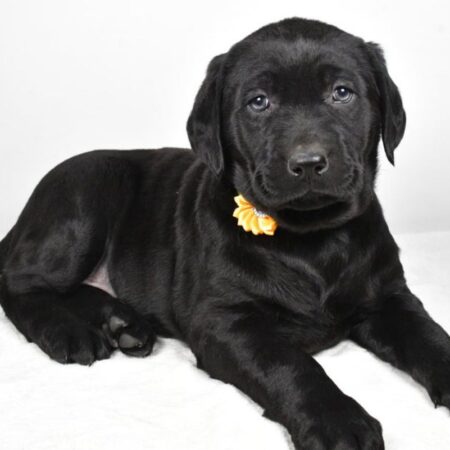
Portrait of Beautiful Boxer puppy on white background

The Boxer, a dog renowned for its strength, agility, and noble demeanor, boasts a fascinating history rooted deeply in Germany. The breed’s ancient ancestry can be traced back to the powerful Assyrian empire war dogs of 2500 BC, highlighting a long lineage of working and protective canines.

The modern Boxer breed as we know and love it today was primarily developed in Germany in the late 1800s. Its creation involved crossing the now-extinct Bullenbeisser (a type of German Bulldog, from which one theory suggests the name “Boxer” might derive, possibly from “Boxl”) with English-bred Bulldogs. The goal was to create an energetic and agile hunting dog capable of chasing and holding wild game. This original purpose as a powerful working dog explains why Boxers were historically among the first dog breeds chosen for police training in Germany. Their history as fighting dogs in their lineage led to practices like tail docking, initially done to enhance work performance and later continued for aesthetic reasons. From these robust working origins, the Boxer evolved into the versatile and beloved family companion we cherish today, capable of excelling in various roles, from dog sports to service work.

Meet Our Available Boxer Puppies

Ready to find your new best friend? Our dynamic gallery features beautiful Boxer puppies eagerly awaiting their forever homes. Each puppy comes from an ethical breeder and is ready to bring joy and energy into your life.

View all Available Puppies


Find a Boxer Near You

PuppyGuyz offers nationwide home delivery, but you can also explore our Boxer puppies available in specific regions. Click on a state below to see local availability:

Looking for a Boxer puppy in your area? We deliver healthy, well-socialized puppies to families across the United States. Explore our available puppies by state to find the perfect addition to your family:

click here to Check all States

Your Comprehensive Boxer FAQ

Have more questions about the Boxer breed? We’ve compiled a comprehensive list of frequently asked questions to ensure you have all the information you need.

Are Boxers good for first-time dog owners?

Yes, Boxers can be great for first-time owners! They are intelligent, eager to please, and highly trainable. However, their high energy and need for consistent training and socialization mean that new owners should be committed to providing ample exercise and dedicated training from a young age.

Do Boxers need a lot of grooming?

Boxers have smooth, short coats that require minimal grooming. A weekly brush-down with a rubber curry mitt and occasional baths are usually sufficient. However, regular nail trims, ear cleaning, and careful attention to their facial wrinkles are essential parts of their grooming routine.

How much exercise does a Boxer need daily?

Boxers are a high-energy breed and need a significant amount of daily exercise. This includes at least two good walks, plus active playtime and mental stimulation. They thrive on activities like fetch, running, and interactive games that challenge their intelligent minds.

Why are Boxer dogs called Boxers?

The exact origin of the Boxer name is unknown, but there are two popular theories. One theory suggests the name stems from their German ancestor, the Bullenbeisser, or “Boxl.” Another widely speculated reason is their characteristic playful habit of standing on their hind legs and using their front paws in a “boxing” motion with fellow dogs.

Do Boxer dogs shed?

Yes, Boxer dogs do shed. They have a single, short coat and are generally considered low-to-moderate shedders year-round. However, you may notice more excessive shedding during the spring and fall months, which can be managed with weekly brushing.

Are Boxer dogs hypoallergenic?

No, Boxer dogs are not considered hypoallergenic. They do shed and produce dander, which are common triggers for allergic reactions in sensitive individuals.

How long do Boxer dogs live?

The average lifespan for a Boxer dog typically ranges from 10 to 12 years.

How big does a Boxer dog get?

Boxer dogs are a medium to large breed. Males typically stand between 22 to 25 inches tall at the shoulder, while females are slightly smaller, ranging from 21 to 24 inches at the shoulder.

How much does a Boxer dog weigh?

A Boxer’s weight varies by sex. Males generally weigh anywhere from 65 to 80 pounds, and females typically weigh between 50 to 65 pounds.

Is a Boxer a good family dog?

Yes, Boxers can be excellent family dogs! They are known for being patient, gentle, and loving with their families, especially children, and make great playmates due to their high energy. However, due to their active and enthusiastic nature, it’s essential that they are well-trained and properly socialized as puppies, and young children should always be supervised around them.

Are Boxer dogs aggressive?

On average, Boxers are not inherently aggressive. Their temperament is generally upbeat, playful, and friendly. However, like any breed, they can exhibit aggression if not properly trained and socialized from a young age. They can also be prone to dominance or territoriality towards other dogs, especially those of the same sex, if not managed correctly.