Bull Terrier at a Glance: Quick Facts

The Soul of a Bull Terrier: Temperament and Personality

Minature bull terrier on grass in the sunshine in a park in Virginia

The Bull Terrier’s personality is as captivating as its distinctive appearance. These dogs are renowned for their exuberant, often comical nature, possessing a mischievous streak that can keep their families thoroughly entertained. They are profoundly devoted and affectionate, thriving on attention and interaction with their favorite humans. While intelligent, Bull Terriers also carry a strong independent streak, sometimes displaying a stubbornness that requires a consistent and patient hand in training.

Early and ongoing socialization is paramount for a Bull Terrier. A well-socialized Bull Terrier can be tolerant of other dogs and animals, but it’s a common characteristic for them to prefer being the sole canine companion in a household, particularly when it comes to other dogs. They tend to be initially wary of strangers, but typically warm up once properly introduced. Despite their protective nature, Bull Terriers are not typically excessive barkers; they usually vocalize only when there’s a genuine reason, making them excellent natural watchdogs. Their playful energy, loyalty, and unique character make them an unforgettable part of any family.

Is a Bull Terrier Right For Your Family & Lifestyle?

Choosing a Bull Terrier means committing to a specific lifestyle that aligns with their unique needs and temperament. An honest assessment of your household and habits is crucial to ensure a harmonious match.

Caring for Your Bull Terrier: Needs & Recommendations

Providing proper care for your Bull Terrier involves a multifaceted approach covering diet, exercise, grooming, and training. Adhering to these recommendations will ensure your Bull Terrier remains happy, healthy, and a well-behaved member of your family.

Diet & Nutrition

Bull Terriers are prone to obesity, making a well-balanced and nutritious diet absolutely essential. Their meals should consist of high-quality dry or wet dog food, rich in healthy fats, appropriate levels of calcium, and ample protein to support their muscular build. Supplementing their diet with certain human foods, when approved by your vet, can also be beneficial. Cooked or raw meats like beef, turkey, or chicken (including organ meats like kidneys and liver) can provide excellent protein sources. Eggs and various vegetables offer essential vitamins and minerals. While some dairy can be tolerated by certain dogs, it’s always best to discuss any additions to your Bull Terrier’s diet with your veterinarian. For Bull Terrier puppies, a diet of nutritious, high-quality dry and wet food, supplemented with minced lean meats, is recommended, again, with your vet’s guidance.

Exercise Requirements

Despite their muscular appearance, Bull Terriers require a moderate to high level of exercise to stay happy and healthy. Daily walks are a must, ideally coupled with additional activities that engage both their body and mind. They are sturdy and athletic dogs, always eager for more activity if you are. Don’t shy away from trying various activities; your Bull Terrier might excel at hiking, swimming, playing frisbee, or even participating in dog sports like agility, tracking, obedience, flyball, or carting. When exercising puppies, always ensure activities are low-impact to protect their developing bones and joints from potential damage.


Grooming

The Bull Terrier boasts a short, glossy, and remarkably low-maintenance coat. While they shed moderately throughout the year, with a slight increase during seasonal changes, their grooming needs are minimal. Weekly brushing with a bristle brush, a round or rubber brush, or a grooming glove is usually sufficient to remove loose hair and keep their coat healthy. Occasional baths are all that’s typically required.

Beyond coat care, regular attention to their nails, ears, and teeth is crucial. Trim your Bull Terrier’s nails once or twice a month to prevent overgrowth, or more frequently if they grow quickly or aren’t naturally wearing down. Weekly ear checks and careful cleaning as needed can prevent ear infections, even though Bull Terriers are less prone to them than breeds with droopy ears. Always ensure their ears are clean, dry, and free of debris or irritation. Dental care is paramount to prevent painful diseases later in life. Daily brushing with an enzyme toothpaste or regular veterinary cleanings are ideal. You can also explore vet-approved dental hygiene chews and treats, or even a specialized “dental care diet” tailored to your pup.

Training & Socialization

Bull Terriers are intelligent dogs who pick up on things quickly, yet their independent and playful nature means they often prioritize fun over strict obedience. They are considered moderately trainable. To succeed, training sessions should be kept engaging and enjoyable, which helps maintain their focus and responsiveness. These traits can pose an obstacle for first-time dog owners navigating training on their own. Puppy training classes are an invaluable resource, providing not only professional guidance but also excellent opportunities for early socialization. For their protective, territorial, and potentially aggressive tendencies towards other dogs or strangers, especially, consistent training and extensive socialization from a young age are absolutely key to fostering a well-adjusted and tolerant companion.

Health & Lifespan: What to Expect

The Bull Terrier is generally considered a relatively healthy breed with an average lifespan of 12-13 years. However, like all breeds, they are predisposed to certain genetic health conditions that prospective owners should be aware of. These potential health concerns include skin allergies, patellar luxation (a common knee joint issue), kidney problems, heart issues, and deafness.

Reputable breeders are committed to the health of their puppies and will diligently screen their breeding stock to minimize the risk of passing on these hereditary conditions. When considering a Bull Terrier puppy, always ask the breeder about the genetic and health history of both parents. Requesting to see relevant health clearances and test results is also a good practice. The Bull Terrier Club of America specifically recommends BAER testing for deafness, a cardiac exam, a kidney test (specifically a urine protein:creatinine ratio), and a patella evaluation. Choosing a breeder who prioritizes these screenings is a critical step in ensuring the long-term health and well-being of your Bull Terrier companion.

The History of the Bull Terrier: From United Kingdom to Your Home

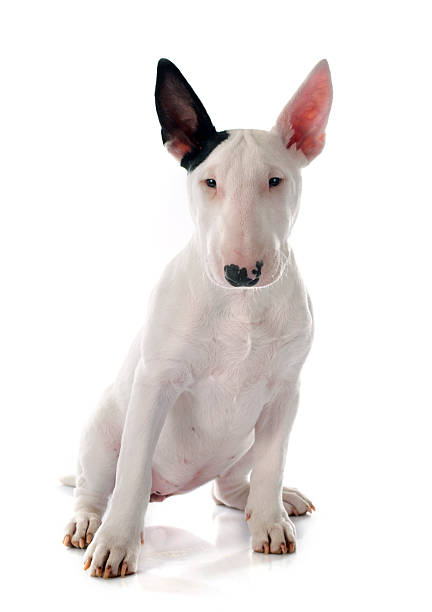
puppy bull terrier in front of white background

The captivating Bull Terrier, with its iconic “egghead” and distinctive personality, originated in the United Kingdom. Its history, while fascinating, has a somewhat darker beginning. In the mid-19th century, this breed was developed by crossing powerful Bulldogs with agile Terriers. The initial purpose was to create a strong, fierce, and quick dog for underground blood sports, such as dog fighting and bull-baiting.

Thankfully, these brutal activities were outlawed in Britain by the mid-1800s. Around the 1860s, a man named James Hinks took on the task of refining and standardizing the modern Bull Terrier, transforming it from a fighting dog into a sophisticated companion. Through his efforts, the Bull Terrier became a fashionable pet, particularly popular among upper-class gentlemen. The breed’s unique look and loyal demeanor quickly gained popularity, leading to its recognition by the American Kennel Club (AKC) in 1885 as a member of the Terrier Group. From its fiery origins, the Bull Terrier has evolved into the playful, devoted, and often goofy companion we cherish today.

Meet Our Available Bull Terrier Puppies

Ready to welcome a Bull Terrier into your life? Explore our current selection of healthy, happy Bull Terrier puppies waiting to find their forever homes. Each puppy comes from an ethical, responsible breeder and is backed by our comprehensive health guarantee.

View all Available Puppies


Find a Bull Terrier Near You

While our nationwide delivery service brings puppies directly to your door, many of our exceptional Bull Terrier breeders are located across various states. Here are some of the key regions where you might find your new companion:

Looking for a Bull Terrier puppy in your area? We deliver healthy, well-socialized puppies to families across the United States. Explore our available puppies by state to find the perfect addition to your family:

click here to Check all States

Your Comprehensive Bull Terrier FAQ

Get all your questions about the Bull Terrier breed answered in one place!

What is a Bull Terrier?

The Bull Terrier is a unique dog breed known for its distinctive “egghead” and muscular build. Originally developed in the UK by crossing Bulldogs and Terriers, they are now cherished as playful, devoted, and comical family companions.

Are Bull Terriers good with children?

Bull Terriers can be good family dogs, especially with older children. Their high energy levels and tendency for exuberant play (sometimes involving “roughhousing”) mean they are generally better suited for households where children are old enough to understand and interact appropriately with a strong, active dog. Early socialization with children is always recommended.

What are the common health issues in Bull Terriers?

Common health issues for Bull Terriers can include skin allergies, patellar luxation (a knee condition), kidney issues, heart problems, and deafness. Responsible breeders conduct specific health screenings to minimize the risk of these hereditary conditions.

How long does a Bull Terrier live?

A Bull Terrier typically lives for 12 to 13 years on average, though some can live anywhere from 10 to 14 years with proper care.

Do Bull Terriers shed?

Yes, Bull Terriers are considered moderate shedder. They shed consistently throughout the year, with slightly heavier shedding periods during the spring and fall as they shed their full coat.

Are Bull Terriers hypoallergenic?

No, Bull Terriers are not considered hypoallergenic dogs because they do shed. This breed is generally not a good choice for individuals who suffer from pet allergies.

How tall is a Bull Terrier?

A fully-grown Bull Terrier typically stands between 21 and 22 inches tall at the shoulder.

How much does a Bull Terrier weigh?

The average weight for a Bull Terrier is between 50 and 70 pounds, although their weight can range more broadly from 35 to 75 pounds depending on their build and sex.

How smart is a Bull Terrier?

Bull Terriers are intelligent dogs, although they are sometimes perceived as less intelligent due to their independent nature and strong will. While they may not always rank high in traditional obedience trials (one source ranks them around #124 on smartest breeds), they are capable of learning quickly when training is kept fun and engaging. They are not “dumb animals”; rather, they have a unique way of responding to training that requires patience and creativity.

Is a Bull Terrier a good guard dog?

Yes, a Bull Terrier can make an excellent watchdog and guard dog. They are very protective of their owners and families. If they perceive their loved ones to be threatened, their protective instincts and aggression can surface. Their strong bark and muscular physique can also be deterrents to unwanted visitors.

Is a Bull Terrier an aggressive breed?

The perception of Bull Terriers being aggressive is debated. While they are not inherently aggressive, they can exhibit protective, jealous, possessive, and suspicious behaviors, particularly towards strangers or other dogs. Training and extensive socialization are absolutely crucial to manage these tendencies and ensure they are well-adjusted and safe companions. They often thrive as the only dog in a household.