German Shepherd at a Glance: Quick Facts

To understand the German Shepherd, it helps to see the big picture. This table provides a quick, reliable overview of their core characteristics, compiled from breed standards and expert observations.

The Soul of a German Shepherd: Temperament and Personality

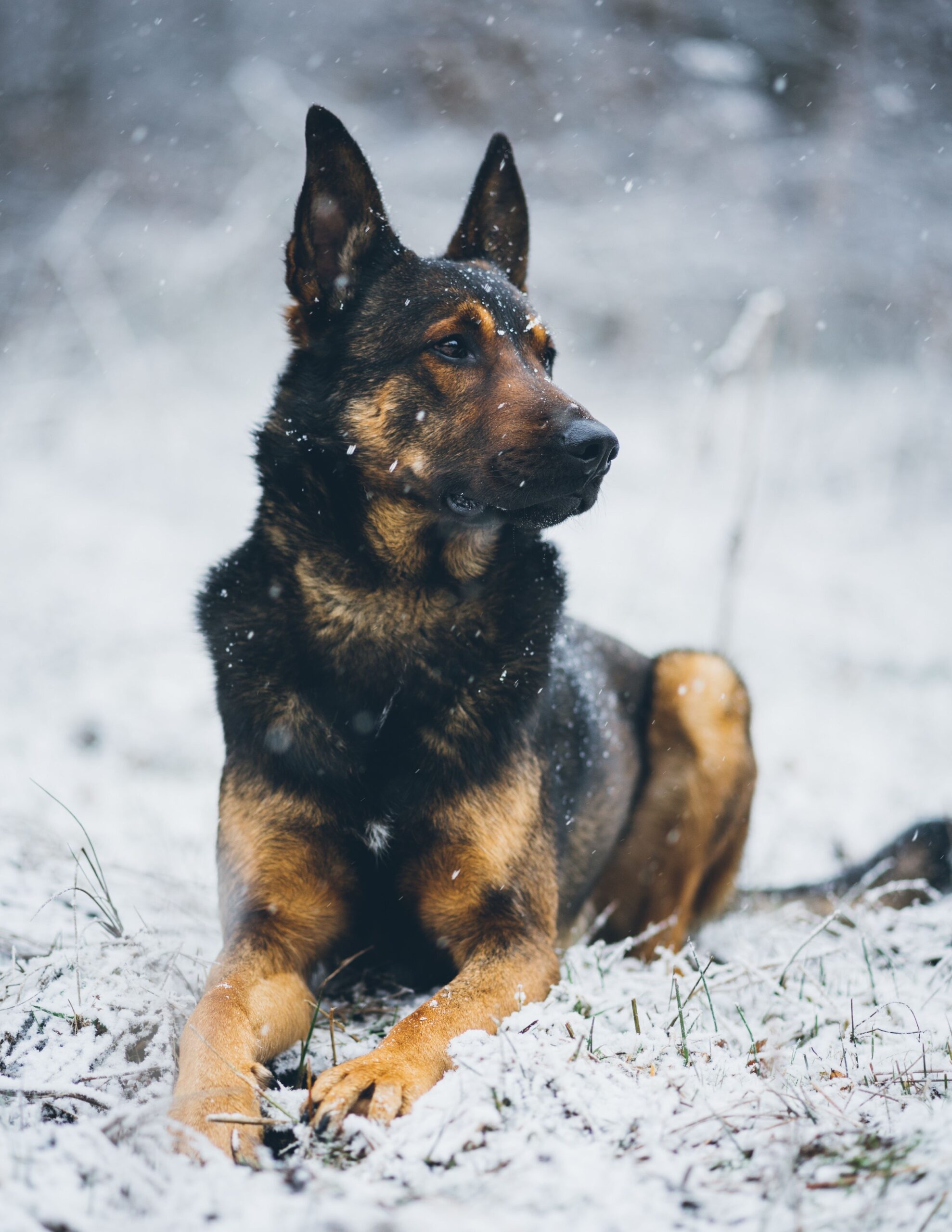
Vertical selective closeup shot of a German shepherd dog sitting on a snowy surface

The German Shepherd’s temperament is a masterful blend of nobility and utility. At their core, they are defined by a steadfast loyalty that forms an unbreakable bond with their family. They are “one-family” dogs, often choosing a primary person to whom they become a devoted shadow, following them from room to room. While deeply affectionate with their trusted circle, they are naturally aloof and reserved with strangers—a trait of a discerning guardian, not aggression.
Their intelligence is legendary. This is a dog that doesn’t just learn commands; it understands tasks and anticipates needs. This high intellect, however, comes with a prerequisite: they need a job. A bored German Shepherd can become anxious and destructive. This “job” can be anything from formal obedience and agility trials to daily training games and puzzle toys.
Puppies, in particular, exhibit a behavior known as “mouthiness.” They tend to nip and chew on hands and objects, which is a remnant of their herding instincts, not a sign of malice. It’s crucial to redirect this behavior early onto appropriate chew toys. With consistent leadership and clear boundaries, the German Shepherd matures into a confident, self-assured, and exceptionally dependable companion, embodying the very best qualities of a working dog.

Is a German Shepherd Right For Your Family & Lifestyle?

Owning a German Shepherd can be one of life’s most rewarding experiences, but it requires a significant commitment. Their needs are not for everyone. Here’s an honest look at who makes a great GSD owner, and who might be better suited to a different breed.

Caring for Your German Shepherd: Needs & Recommendations

Providing the right care is fundamental to a German Shepherd’s health and happiness. Their needs are specific, reflecting their size, intelligence, and working-dog heritage.

Diet & Nutrition

German Shepherd puppies grow rapidly, and their diet must support this without accelerating it, which can cause joint problems.

  • Food Choice: Opt for a high-quality, large-breed puppy formula. These are specifically designed with the correct calcium-to-phosphorus ratio to promote healthy bone growth.
  • Feeding Schedule: Feed your puppy 3-4 small meals a day, transitioning to two meals a day as they mature.
  • Bloat (GDV) Prevention: German Shepherds are susceptible to Gastric Dilatation-Volvulus (Bloat), a life-threatening condition. To mitigate risk, avoid exercise for an hour before and after meals, use a slow-feeder bowl, and ensure they don’t gulp large amounts of water at once.
Exercise Requirements

A tired German Shepherd is a happy German Shepherd. Their exercise needs go beyond a simple walk around the block.

  • Daily Routine: Plan for at least 60-90 minutes of vigorous activity each day. This can include running, brisk walking, or games of fetch.
  • Mental Stimulation: This is non-negotiable. Incorporate training sessions, puzzle toys, and “nose work” games (hiding treats for them to find) into their daily routine to keep their sharp minds engaged.
  • Structured Activities: Consider enrolling in canine sports like agility, obedience, or herding trials. These activities provide a perfect outlet for their natural drives.
Grooming

The German Shepherd’s dense double coat requires regular maintenance to stay healthy and manage shedding.

  • Brushing: Brush your GSD 3-4 times a week with an undercoat rake or de-shedding tool. This will remove loose hair, prevent matting, and distribute skin oils. During their twice-yearly “coat blows,” you’ll need to brush daily.
  • Bathing: Bathe them only when necessary (every few months) to avoid stripping the natural oils from their coat, which can lead to skin irritation.
  • Nails & Ears: Trim nails monthly, or as needed, to prevent painful overgrowth. Check and clean their ears weekly to prevent infections.
Training & Socialization

Training a German Shepherd is a joy, but it must start early.

  • Early Socialization: From the moment your puppy comes home, begin introducing them to a wide variety of sights, sounds, people, and other dogs in a positive and controlled manner. This is the single most important step to raising a well-adjusted, confident adult.
  • Positive Reinforcement: GSDs respond best to positive, reward-based training methods. They are eager to please the person they trust.
  • Establish Leadership: Use firm, fair, and consistent commands. They need to know you are the leader of the pack. Enrolling in puppy kindergarten and basic obedience classes is highly recommended.

Health & Lifespan: What to Expect

A well-bred German Shepherd is a robust and healthy dog with a lifespan of 9 to 13 years. However, like all breeds, they are prone to certain genetic health conditions. Transparency about these issues is crucial for responsible ownership.

Common health concerns include:

  • Hip and Elbow Dysplasia: A malformation of the joints that can lead to arthritis.
  • Degenerative Myelopathy (DM): A progressive disease of the spinal cord that can cause paralysis.
  • Bloat (Gastric Dilatation-Volvulus): A sudden, life-threatening stomach condition.
  • Exocrine Pancreatic Insufficiency (EPI): An inability to produce digestive enzymes.
  • Heart Conditions: Such as aortic stenosis.

This is precisely why choosing an ethical breeder is non-negotiable. Reputable breeders conduct rigorous health screenings (like OFA and PennHIP certifications for joints) on their breeding stock to significantly reduce the chances of these conditions appearing in their puppies. At PuppyGuyz, we partner exclusively with breeders who prioritize health, temperament, and genetic screening above all else.

The History of the German Shepherd: From Germany to Your Home

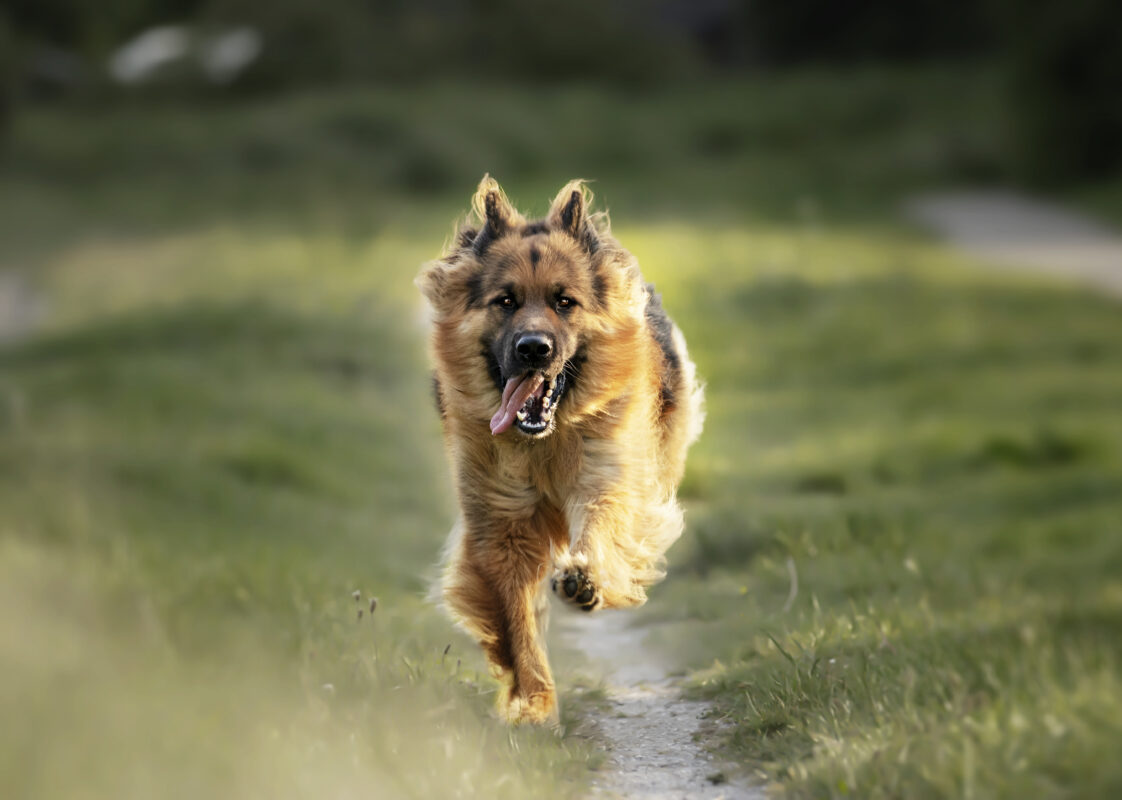
Selective focus shot of an adorable german shepherd

The German Shepherd’s story begins in the late 19th century with one man: Captain Max von Stephanitz, a German cavalry officer. His goal was to create the ultimate German herding dog, but he prioritized intelligence, utility, and trainability above all else. In 1899, he found a dog named Hektor Linksrhein, who embodied all his desired traits. He renamed the dog Horand von Grafrath and established him as the first registered German Shepherd Dog (or Deutscher Schäferhund).
The breed’s versatility quickly became apparent. They served with distinction as messenger dogs, rescue dogs, and supply carriers during World War I and II. Their intelligence and bravery were noticed by soldiers, who brought them home after the wars, solidifying their popularity worldwide as police dogs, service animals, and devoted family companions.

Meet Our Available German Shepherd Puppies

You’ve done the research and learned what it takes to provide a loving, structured home for this incredible breed. The next step is the most exciting one. Click below to see our carefully selected, ethically-bred German Shepherd puppies from the nation’s most reputable breeders, all ready for their forever homes.

View all Available Puppies


Find a German Shepherd Near You

PuppyGuyz offers a safe and convenient nationwide delivery service, bringing your new best friend right to your door. We are proud to serve families across the country, including in these major states:

Looking for a German Shepherd puppy in your area? We deliver healthy, well-socialized puppies to families across the United States. Explore our available puppies by state to find the perfect addition to your family:

click here to Check all States

Your Comprehensive German Shepherd FAQ

We’ve compiled answers to the most common questions about German Shepherds, using our expertise and insights from across the web to create the most complete FAQ available.

Are German Shepherds good family dogs?

Absolutely. When properly socialized from a young age and raised with children, they are incredibly loyal and protective family members. However, due to their size and strength, interactions with very young children should always be supervised.

How much exercise does a German Shepherd puppy need?

While they have high energy, it’s crucial not to over-exercise a puppy. This can damage their developing joints. Follow the “five-minute rule”: five minutes of structured exercise per month of age, twice a day. Mental stimulation with training and puzzle toys is just as important.

Do German Shepherds bark a lot?

They are a vocal breed, but their barking is typically purposeful. They will bark to alert you to strangers, strange noises, or when they are excited or bored. Consistent training can help manage unnecessary barking.

What is the difference between working line and show line German Shepherds?

This is a great question. Show lines are bred primarily for appearance and conformation to the breed standard, often having a more pronounced sloped back. Working lines are bred for performance, drive, and utility (police work, sport), often having higher energy levels and a more intense focus. PuppyGuyz breeders often provide a wonderful balance, focusing on sound temperament and health suitable for active family life.

Are German Shepherds easy to train?

Yes and no. Their high intelligence means they learn commands very quickly. However, that same intelligence means they can also learn bad habits just as fast and can be stubborn if they don’t respect their owner as a leader. They thrive on consistency and positive reinforcement.

Can German Shepherds live in an apartment?

It is possible, but challenging. An apartment-dwelling GSD requires an extremely dedicated owner who can provide several hours of outdoor exercise, training, and stimulation every single day, regardless of the weather. A home with a fenced yard is generally a better fit.

How much does a well-bred German Shepherd puppy cost?

The cost of a German Shepherd puppy from a reputable breeder can vary significantly based on lineage, location, and the breeder’s credentials. While the initial price may seem high, it reflects the breeder’s investment in health screenings for the parents, high-quality food, vet care, and proper socialization for the puppies. It’s an investment in a healthier, more stable companion for the next decade.

Are German Shepherds good with cats and other pets?

With early and proper introductions, a German Shepherd can learn to live peacefully with other pets, including cats. Their herding instinct might cause them to chase, so socialization from puppyhood is key to establishing a respectful relationship.