Maltichon at a Glance: Quick Facts

The Soul of a Maltichon: Temperament and Personality

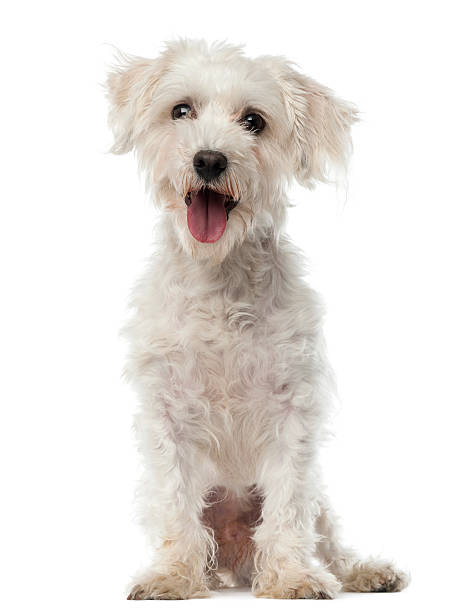
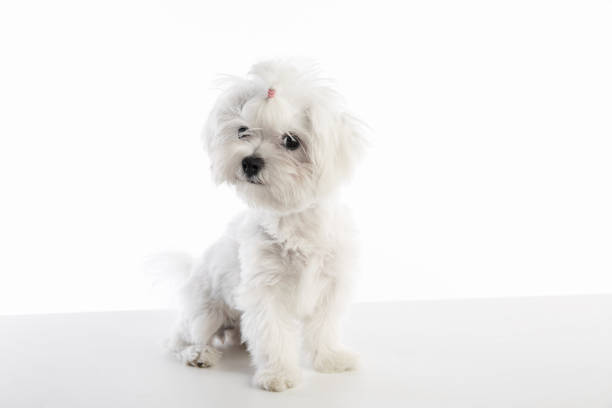
Maltichon puppy also Bichon Maltese doggy on white background

sweet breeds, they inherit an affectionate, loving, and gentle disposition that makes them exceptional companions. These small-statured dogs possess a surprising fearlessness and can be quite protective of their loved ones, often acting as diligent little watchdogs by barking at strangers or unfamiliar noises. Their intelligence, inherited from both the Maltese and Bichon Frise, means they are often eager to please and quick learners, although some may exhibit a slight stubborn streak that requires consistent and patient training.

Beyond their protective instincts, Maltichons are known for their playful and goofy side, bringing endless fun and quirky moments to any household. They thrive on being the center of attention and love to cuddle, making them perfect lap dogs. Their adaptable nature allows them to fit well into various living situations, from bustling city apartments to larger homes, provided they receive sufficient exercise and mental stimulation. They generally get along wonderfully with children, other dogs, and even other pets, making new friends wherever they go thanks to their friendly and outgoing nature. However, their strong need for affection means they don’t do well when left alone for long periods, preferring to be an integral part of their family’s daily life.

Is a Maltichon Right For Your Family & Lifestyle?

Choosing a Maltichon means welcoming a dedicated and loving companion into your home. Their adaptable and gentle nature makes them suitable for a wide range of lifestyles, but it’s crucial to understand their specific needs to ensure a harmonious life together.

Caring for Your Maltichon: Needs & Recommendations

Proper care is essential to ensure your Maltichon lives a long, healthy, and happy life. This involves a balanced approach to diet, exercise, grooming, and training.

Diet & Nutrition

Maltichons, being small dogs, don’t require a large volume of food. Generally, about ½ a cup of high-quality dry dog food per day, divided into two meals, is sufficient. However, individual dietary needs can vary based on age, activity level, and metabolism. For Maltichon puppies, it’s always best to consult with your veterinarian to determine the ideal diet for their rapid growth and development. Choose a dog food formulated for small breeds to ensure appropriate nutrient balance and kibble size. Always provide access to fresh, clean water.

Exercise Requirements

Despite their small size, Maltichons are not complete couch potatoes. They have a low to moderate energy level and benefit from about 30 minutes of daily exercise. This can easily be met with daily walks around the neighborhood, combined with indoor playtime or some stimulating outdoor activities. They love spending time with their human companions, so they may even be up for a bit more activity if you are. Crucially, Maltichons are intelligent and can get bored easily, so mental stimulation is as important as physical exercise. Engage them with challenging games, puzzle toys, and interactive play sessions to keep their minds sharp and prevent destructive behaviors. Always monitor them to ensure they aren’t overexerting themselves, especially during warmer weather.


Grooming

Maltichons are often sought after for their low-shedding, “hypoallergenic” coats, inherited from both the Maltese and Bichon Frise. While this is great for allergy sufferers, it means their beautiful coats require diligent maintenance to prevent tangles and mats. You should brush your Maltichon’s coat at least a few times a week, ideally daily, to keep it free of knots. Professional grooming every 4-6 months is typically necessary to maintain their coat length and shape.

Beyond their fur, regular care for their nails, ears, and teeth is paramount. Your Maltichon’s nails should be trimmed monthly or whenever you hear them clicking on hard floors. Weekly ear checks and careful cleaning as needed can prevent infections; ensure their ears are dry, clean, and free of debris. For dental health, daily brushing with a dog-specific toothbrush and enzyme toothpaste is highly recommended to prevent common dental diseases like gum disease and tooth decay, which small breeds are particularly prone to.

Training & Socialization

Maltichons are highly intelligent and generally eager to please, making them quite trainable. While some individuals may exhibit a slight stubborn streak, they typically learn quickly and respond well to consistent, positive reinforcement methods. Keep training sessions short, fun, and focused on praise and rewards (like treats or toys). Early socialization is vital for a well-adjusted Maltichon. Enroll your puppy in puppy training classes not only to teach basic commands but also to provide opportunities for safe and positive interactions with other dogs and people. This will help them grow into confident, friendly adults who are comfortable in various situations. Their protective watchdog instincts can sometimes lead to excessive barking, so teaching them a “quiet” command early on can be very beneficial.

Health & Lifespan: What to Expect

The Maltichon is generally considered a relatively healthy designer breed, benefiting from the genetic diversity of being a mixed breed. Their average lifespan ranges from 12 to 15 years. However, like all breeds, they can be predisposed to certain health conditions that are common in their parent breeds. It is crucial to work with a responsible breeder who screens their breeding stock for genetic health issues.

Common concerns include:

  • Patellar Luxation: A condition where the kneecap slips out of place.
  • Cushing’s Disease: An endocrine disorder caused by excessive cortisol production.
  • Skin Issues & Allergies: Some Maltichons may be prone to various skin irritations or environmental/food allergies.
  • Patent Ductus Arteriosis (PDA): A congenital heart defect where a fetal blood vessel fails to close after birth.
  • Dental Diseases: Small breeds are particularly susceptible to gum disease, plaque buildup, and tooth decay, which can lead to infection and tooth loss if not managed with proper dental care.

Regular veterinary check-ups, a balanced diet, consistent exercise, and diligent preventative care (especially dental hygiene) can significantly contribute to your Maltichon’s overall health and well-being throughout their life. A reputable breeder will always be transparent about the genetic history of the puppy’s parents and provide health clearances or test results.

The History of the Maltichon: From Designer Origins to Your Home

istockphoto 450485297 612x612

The Maltichon is a modern “designer dog” breed, deliberately created by crossing two beloved purebreds: the Maltese and the Bichon Frise. This intentional crossbreeding aims to combine the desirable traits of both parent breeds into one charming companion. While its exact origin date isn’t pinpointed to a specific moment in history, the concept of designer breeds gained popularity in the late 20th and early 21st centuries.

The Maltese is an ancient toy breed with roots tracing back over two millennia to Greece, renowned for its aristocratic appearance and gentle nature. The Bichon Frise, part of the Barbichon clan of small white dogs, boasts a long history as a cheerful and adaptable companion. The union of these two low-shedding, friendly breeds created the Maltichon, also sometimes referred to as the “Maltese Frise,” celebrated for its affectionate personality, intelligence, and soft, fluffy coat. This strategic cross has resulted in an F1 generation hybrid dog that has quickly captured the hearts of dog lovers around the world.

Meet Our Available Maltichon Puppies

Ready to find your new best friend? At PuppyGuyz, we connect loving families with healthy, happy Maltichon puppies from ethical breeders nationwide. Browse our current selection of available Maltichon puppies, each waiting to bring joy and cuddles into your home!

View all Available Puppies


Find a Maltichon Near You

PuppyGuyz offers nationwide home delivery, so you can find your perfect Maltichon puppy no matter where you are. However, if you’re looking for puppies specifically in your region, we regularly have Maltichon puppies available from breeders across various states. Here are some of the major US states where our Maltichon puppies are often located:

Looking for a Maltichon puppy in your area? We deliver healthy, well-socialized puppies to families across the United States. Explore our available puppies by state to find the perfect addition to your family:

click here to Check all States

Your Comprehensive Maltichon FAQ

A Maltichon is a designer dog breed, an intentional cross between a purebred Maltese and a purebred Bichon Frise. This “hybrid” or “designer” breed aims to combine the desirable traits and temperaments of both popular toy dog breeds. They are also sometimes referred to as a Maltese Frise.

Are Maltichons good family dogs?

Yes, Maltichons generally make excellent family dogs. They are known for their gentle and friendly disposition, adapting well to various family dynamics. They typically get along well with children, other dogs, and other pets, provided they are properly socialized from a young age. Their affectionate nature makes them loving companions for all family members.

Are Maltichons hypoallergenic?

Maltichons are considered a low-shedding to non-shedding breed, a trait inherited from both their Maltese and Bichon Frise parents. While no dog is 100% hypoallergenic, Maltichons are often a good choice for individuals with mild dog allergies due to their coat type. Regular grooming is still essential to manage any dander.

How long do Maltichons live?

The average lifespan for a Maltichon is typically between 12 to 15 years, with proper care, nutrition, and regular veterinary check-ups.

How big do Maltichon dogs get?

Maltichons generally stand between 8 to 12 inches (20-30 cm) tall at the shoulder. They typically reach their maximum height and weight by their first birthday, although some may take up to 18 months.

How much does a Maltichon weigh?

A fully grown Maltichon typically weighs anywhere from 8 to 18 pounds (3.6-8.2 kg). They fall into the small dog category and can sometimes be classified as Toy or Miniature Maltichons depending on their size.

Do Maltichon dogs shed?

Maltichons are low-shedding dogs. While no dog is completely shed-free, their coat type is known to produce minimal shedding compared to many other breeds, making them a favorable option for those sensitive to dog hair.

Are Maltichons smart dogs?

Yes, Maltichons are intelligent dogs. They inherit their smarts from both the Maltese and Bichon Frise, breeds known for their cognitive abilities and trainability. This intelligence makes them quick learners, though it also means they need mental stimulation to prevent boredom.

Is a Maltichon easy to train?

Generally, yes, a Maltichon is considered easy to train due to their intelligence and eagerness to please. They respond best to positive reinforcement methods and short, engaging sessions. While some individuals might show a slight stubborn streak, consistency and patience will yield excellent results. Puppy training classes are highly recommended for early socialization and basic obedience.

Does a Maltichon bark a lot?

Maltichons can be quite alert and make good watchdogs. They may bark at strangers, unfamiliar noises, or anything they perceive as a threat. While they don’t necessarily bark “a lot” compared to some breeds, their alertness can lead to occasional vocalizations. Consistent training can help manage excessive barking.

Are Maltichons good with other dogs?

In general, Maltichons do very well with other dogs. They are typically social and friendly. However, like any dog, individual temperament can vary, and some Maltichons may benefit from being raised with other dogs or having early, positive socialization experiences to ensure they get along well with other canines.

How much exercise does a Maltichon need?

Maltichons have low to moderate exercise needs. About 30 minutes of daily activity, such as a short walk and indoor playtime, is usually sufficient to keep them happy and healthy. They adapt well to apartment living as long as their daily exercise requirements are met. Mental stimulation through engaging toys and games is also important.