Miniature Dachshund at a Glance: Quick Facts Table

To understand the Miniature Dachshund, it helps to see the big picture. This table provides a quick, reliable overview of their core characteristics, compiled from breed standards and expert observations.

The Soul of a Miniature Dachshund: Temperament and Personality

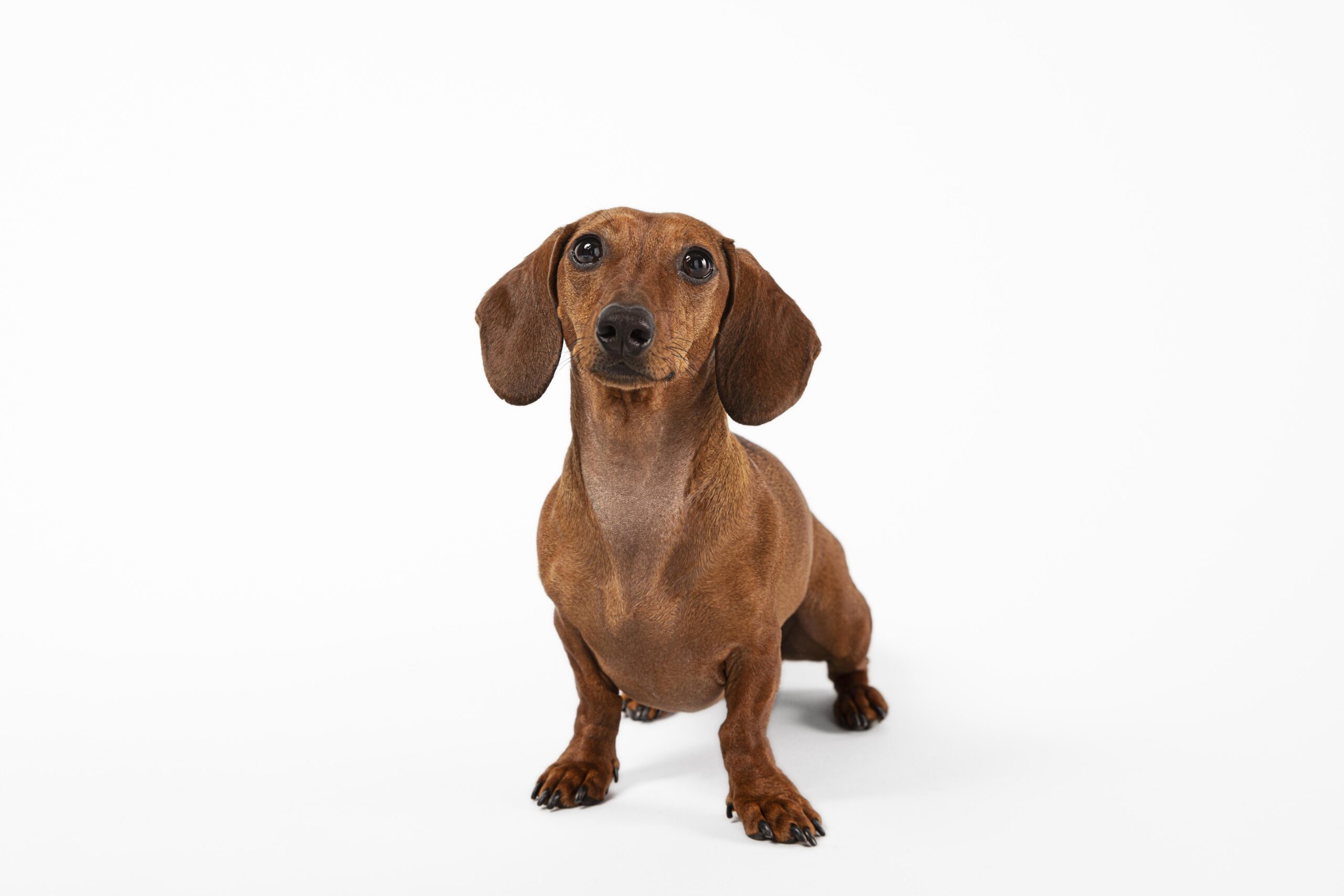
adorable dog looking up studio (1)

To understand the Miniature Dachshund, you must look to its history. These are not simply lap dogs; they are tenacious hunters in a small package. Bred in Germany to go to ground after badgers, their core personality is one of bravery that borders on recklessness, intelligence that can lead to mischief, and a stubborn streak a mile wide. They have a “big dog” bark and the confidence to match.

This bold nature is balanced by an incredible devotion to their family. A Dachshund’s favorite place is often snuggled up with their favorite person, preferably under a warm blanket. They are playful and can be quite clownish, delighting their owners with their antics. However, they can be wary of strangers at first and are quick to sound the alarm, making them excellent watchdogs.

Their cleverness is a double-edged sword. They can learn commands and routines quickly, but they will also use their intelligence to get what they want. This independent mindset, so crucial for a hunting dog working alone underground, means they don’t always see the point in obeying a command just for the sake of it. Living with a Dachshund requires patience, consistency, and a very good sense of humor. They are not looking for a boss, but for a loving and clever partner-in-crime.

Is a Miniature Dachshund Right For Your Family & Lifestyle?

The Miniature Dachshund is a fantastic dog, but they aren’t the perfect fit for everyone. Their high energy and intelligence require a specific environment to thrive. It’s crucial to be honest about your lifestyle before bringing one home.

Caring for Your Miniature Dachshund: Needs & Recommendations

Providing the right care is key to a happy and healthy Miniature Dachshund. They require a dedicated owner who can meet their needs for diet, exercise, and mental stimulation.

Diet & Nutrition

An adult Miniature Dachshund typically requires about 1/2 to 1 cup of high-quality dog food per day, split into two meals. The single most important aspect of their diet is weight management. Even a few extra pounds can put immense strain on their long spine, dramatically increasing the risk of Intervertebral Disc Disease (IVDD). Keep them lean and avoid feeding table scraps.

Exercise Requirements

About 30 minutes of exercise per day, such as two moderate walks and some playtime, is usually sufficient. It is critically important to protect their backs. Do not allow them to engage in high-impact activities like jumping on or off furniture, running up and down stairs, or playing rough with large dogs. Using ramps or pet stairs for furniture is highly recommended. Always use a harness instead of a collar for walks to avoid pressure on their neck and back.

Grooming

Grooming needs vary by coat type:

  • Smooth: The lowest maintenance. A weekly wipe-down with a hound mitt or soft brush is all that’s needed to keep their coat shiny.
  • Longhaired: Requires brushing several times a week to prevent mats and tangles, especially behind the ears and on the feathering of their legs and tail.
  • Wirehaired: Needs brushing a few times a week and requires occasional professional hand-stripping to maintain the coat’s proper texture. Clipping the coat will make it soft and ruin the wiry texture.

All three types need regular nail trims, dental care, and ear checks.

Training & Socialization

Training a Miniature Dachshund is a test of will. They are intelligent but incredibly stubborn. Success requires creativity, persistence, and tons of positive reinforcement—they respond well to treats and praise. Keep training sessions short and fun to hold their interest. Housetraining is a significant challenge and requires a strict, consistent schedule. Early and positive socialization is vital to help them become accepting of strangers and new situations, tempering their natural suspicion.

Health & Lifespan: What to Expect

The average lifespan for a Miniature Dachshund is a long and happy 12 to 16 years. They are generally healthy, but their unique conformation makes them highly susceptible to one major health issue:

Common concerns include:

    • Intervertebral Disc Disease (IVDD): This is the most common and serious health problem in Dachshunds. The discs between the vertebrae can bulge or burst, compressing the spinal cord and causing pain, nerve damage, and even paralysis. Prevention through weight management and avoiding jumping is key.
    • Progressive Retinal Atrophy (PRA): A degenerative eye condition that can lead to blindness.
    • Patellar Luxation: Dislocation of the kneecap.
    • Obesity: A common issue that exacerbates all other health problems, especially IVDD.

The Dachshund Club of America (DCA) is the official parent club and recommends health screenings such as an ophthalmologist evaluation. A responsible breeder will prioritize a healthy back structure and will be transparent about any history of IVDD in their breeding lines.

The History of the Miniature Dachshund

istockphoto 93213969 612x612

The Dachshund (meaning “badger dog” in German) originated in Germany several hundred years ago. They were meticulously bred to be the ultimate badger hunter: their short legs and long body allowed them to enter and navigate underground burrows, their loud bark enabled hunters to locate them underground, and their fearless, independent nature meant they could face a formidable opponent alone.

The breed comes in two sizes (Standard and Miniature) and three coat types (Smooth, Wirehaired, and Longhaired), which were developed for hunting in different climates and terrains. The Miniature version was bred to hunt smaller prey like rabbits. Despite their working-class roots, their charming personality and unique look soon made them popular companions for royalty and common folk alike, and they remain one of the most beloved breeds worldwide.q

Meet Our Available Miniature Dachshund Puppies

Your search for the perfect Miniature Dachshund puppy ends here. Below you’ll find our gallery of available puppies from our network of ethical, vetted breeders. Each puppy is raised with love and care, ready to join your family. Click on a puppy’s profile to see more photos and details!

View all Available Puppies


Find a Miniature Dachshund Near You

While we offer safe and reliable nationwide home delivery, we have strong breeder networks in many states. If you’re looking to find an Airedale Terrier puppy closer to you

While we offer safe and reliable nationwide home delivery, we have strong breeder networks in many states. If you’re looking to find a Miniature Dachshund puppy closer to you, check out these popular locations: Pennsylvania, Ohio, New York, Texas, Florida, California, Illinois.

click here to Check all States

Your Comprehensive Miniature Dachshund FAQ

We’ve compiled the most common questions and some you haven’t even thought of yet using our expertise and analysis of what prospective owners want to know.

Do Miniature Dachshunds bark a lot?

Yes. They were bred to have a surprisingly loud bark for their size and are known for being vocal. They make excellent watchdogs but can be prone to nuisance barking if not trained.

Are they really that hard to potty train?

Yes, they have a reputation for being one of the more challenging breeds to housebreak. Absolute consistency, a strict schedule, and patience are required.

How do I protect my Dachshund's back?

Maintain a healthy, lean weight; use ramps or stairs for furniture; carry them up and down stairs; and always use a harness on walks, never a collar that pulls on the neck.

Are Miniature Dachshunds good with children?

They are best suited for families with older children who understand how to handle a dog gently. Their backs are very fragile and can be easily injured by a toddler.

What is the personality difference between the coat types?

Generalizations suggest that longhaired Dachshunds are often calmer and sweeter, wirehaired ones are more terrier-like and clownish, and smooths have a classic, middle-of-the-road Dachshund temperament.

Are Miniature Dachshunds hypoallergenic?

No, they are not. All three coat varieties shed to a moderate degree and are not considered a good choice for people with allergies.

Why is my Dachshund always digging in blankets and the yard?

This is a deeply ingrained instinct from their history of burrowing underground to hunt badgers. Providing a “digging box” in the yard can help save your flowerbeds.

Do they need a lot of exercise?

They need moderate, low-impact exercise. A couple of 15-minute walks per day plus some indoor playtime is usually sufficient to keep them happy and healthy.

What size harness does a Mini Dachshund need?

They typically wear an extra-small or small size, but it’s essential to measure their chest girth (the widest part of their ribcage) to ensure a snug and secure fit that they can’t back out of.

Are they cuddly?

Yes! Despite their tough hunter exterior, most Dachshunds are extreme cuddlers who love nothing more than burrowing under the covers with their favorite person.

Are they good for first-time owners?

They can be, but only if the owner does their research and is fully prepared for the challenges of training a stubborn breed and the lifelong commitment to protecting their back.