Miniature Pinscher at a Glance: Quick Facts

The Soul of a Miniature Pinscher: Temperament and Personality

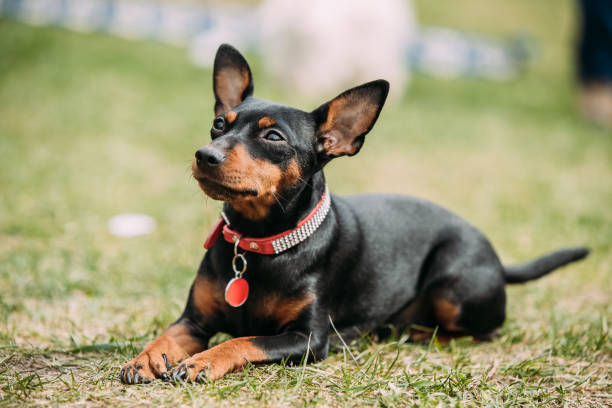
Black Miniature Pinscher Zwergpinscher, Min Pin Sitting On Green Grass.

The Miniature Pinscher, a true “King of Toys,” boasts a personality far larger than its small stature suggests. These dogs are fearless, overflowing with confidence, and possess a curious, spirited nature that makes every day an adventure. They are incredibly playful and energetic, always ready for a game or an exploration, embodying a feisty charm that quickly endears them to their families.

Min Pins are known for their remarkable courage and innate watchdog abilities. They are highly alert and will readily bark to signal the arrival of visitors or any perceived unusual activity, making them excellent little guardians for your home. This protective instinct, combined with their strong bond with their human companions, means they thrive on attention and affection. However, their bold and independent streak, often referred to as “big dog syndrome,” requires consistent and early socialization and training. Without proper guidance, a Min Pin might attempt to assert dominance, especially towards other dogs, or develop nuisance barking habits. When raised with a firm yet gentle hand, and exposed to diverse environments and people from a young age, the Miniature Pinscher matures into a well-rounded, well-behaved, and incredibly loyal companion, eager to please and always ready for a cuddle after a burst of activity.

Is a Miniature Pinscher Right For Your Family & Lifestyle?

Bringing a Miniature Pinscher into your home is a decision that deserves careful consideration. While their compact size and lively personality are appealing, they come with specific needs that may or may not align with every lifestyle.

Caring for Your Miniature Pinscher: Needs & Recommendations

Proper care is paramount to ensuring your Miniature Pinscher lives a long, healthy, and happy life. Their small size doesn’t diminish their needs for quality diet, sufficient exercise, regular grooming, and consistent training.

Diet & Nutrition

Feeding your Miniature Pinscher a high-quality, balanced diet is crucial for their overall health. For adult Min Pins, generally, they should be fed twice a day, consuming anywhere from ½ a cup to 1 cup of premium dry kibble. However, portion sizes can vary based on their age, activity level, metabolism, and specific health needs. It is always best to consult your veterinarian to create an individualized meal plan tailored to your dog’s unique requirements, ensuring they receive all necessary nutrients without becoming overweight.

For Miniature Pinscher puppies, their rapid growth demands more frequent meals. Puppies should typically be fed three or four times a day. A general guideline is to feed approximately one equivalent ounce of high-quality dry food for every pound of the puppy’s body weight. As with adult dogs, always seek your veterinarian’s advice for the best dietary plan for your growing Min Pin puppy to support their development.

Exercise Requirements

Despite their small size, Miniature Pinschers are energetic dogs that require a moderate amount of daily exercise to stay happy and healthy. While they can tire easily due to their stature, consistent activity is key to channeling their natural exuberance. Daily walks are essential, providing both physical exertion and mental stimulation as they explore their surroundings. Supplement these walks with extra playtime – whether it’s a spirited game of fetch in a securely fenced yard or engaging indoor activities. Remember, a well-exercised Min Pin is a well-behaved Min Pin, more likely to settle down for some cherished cuddle time after burning off their energy.

Grooming

The Miniature Pinscher’s short, sleek coat is remarkably low-maintenance, making them an excellent choice for owners who prefer minimal grooming routines. While they shed moderately, their short hair means the volume of shed fur is generally quite low and easily managed. Weekly brushing with a soft brush or a grooming glove is usually sufficient to keep their coat healthy, shiny, and free of loose hairs. Occasional baths are all that’s typically needed, and you can easily wipe them down with a damp cloth between baths to maintain their gleaming appearance.

Beyond coat care, regular attention to their nails, ears, and teeth is vital. Their nails should be trimmed once or twice monthly to prevent them from growing too long, which can cause discomfort and lead to structural issues. Weekly checks of their ears, followed by careful cleaning as needed, can help prevent infections; ensure their ears are always dry, clean, and free of any debris or inflammation. For dental care, daily brushing with an enzyme toothpaste is ideal to prevent tartar and plaque buildup, which can lead to painful dental diseases like gum disease and tooth decay. Small breeds like the Min Pin are particularly susceptible to gum disease, so diligent dental hygiene from an early age is even more critical. Dental hygiene chews and specially formulated dental care diets can also supplement your efforts.

Training & Socialization

Miniature Pinschers are intelligent dogs, and their eagerness to please their families makes them moderately trainable. They pick up new commands and respond well to positive reinforcement methods, learning quickly. However, their independent streak and inherent “big dog” personality mean they may test boundaries and challenge limits. Therefore, consistent training and ongoing socialization are absolutely imperative for developing a well-rounded and well-behaved Miniature Pinscher.

They are generally a better fit for dog owners who have some experience with training and can establish themselves as a confident leader. However, first-time dog owners can certainly succeed with a Min Pin, especially with the added benefit of enrolling in puppy training classes. These classes provide crucial early socialization opportunities and equip owners with the tools and techniques needed to guide their smart and sometimes sassy companion. Early and frequent exposure to various people, places, sounds, and other well-behaved animals will help mitigate any potential aggression or dominance issues, particularly towards other dogs.

Health & Lifespan: What to Expect

The Miniature Pinscher is a generally robust breed, but like all purebred dogs, they can be predisposed to certain health conditions. Understanding these potential issues is part of responsible ownership, and choosing a reputable breeder is your best defense against hereditary problems. The average lifespan for a Miniature Pinscher is a healthy 12 to 16 years, a testament to their overall hardiness.

Common concerns include:

    • Legg-Calve-Perthes Disease: A condition affecting the hip joint, leading to degeneration of the femoral head.
    • Thyroid Issues: Such as hypothyroidism, which can affect metabolism.
    • Epilepsy: A neurological disorder causing seizures.
    • Cervical (Dry) Disc: Problems with the discs in the neck.
    • Eye Problems: Various hereditary eye conditions.
    • Heart Defects: Certain cardiac conditions can be seen in the breed.
    • Patellar Luxation: A common knee cap displacement issue in small breeds.

At PuppyGuyz, we strongly emphasize that responsible breeding practices make a monumental difference in the health of puppies. Our ethical breeders diligently screen their adult dogs for these preventable issues, ensuring that healthy genetics are passed down. We require our breeders to conduct comprehensive health tests and clearances for both parents, with a patella evaluation being a minimum recommendation from national breed clubs. Always ask your breeder about the health and genetic history of a puppy’s parents to ensure peace of mind.

The History of the Miniature Pinscher: From Germany to Your Home

istockphoto 105927515 612x612

The Miniature Pinscher, affectionately dubbed the “Min Pin” and proudly known as the “King of Toys,” boasts a fascinating history rooted in Germany. While its precise lineage remains somewhat shrouded in time, it is widely believed that this spirited breed emerged from a blend of Italian Greyhounds, Dachshunds, and possibly German Pinschers many years ago. Originally, the Min Pin was primarily utilized as an efficient ratter, tasked with keeping barns and homes free of vermin – a role that undoubtedly contributed to their inherent fearlessness and keen alertness.

The breed’s captivating charm began to spread beyond Germany’s borders, gaining significant popularity in the United States starting in the 1920s. Their growing appeal culminated in official recognition by the American Kennel Club (AKC) in 1925, where they were rightfully placed within the esteemed Toy Group. From their humble beginnings as working ratters to their current status as cherished companion animals, the Miniature Pinscher has successfully transitioned from European farms to loving homes across the globe, bringing their unique blend of spunk and loyalty to families like yours.

Meet Our Available Miniature Pinscher Puppies

Ready to welcome a brave, playful, and loyal Miniature Pinscher into your life? Our curated selection of Min Pin puppies comes from ethical breeders dedicated to health and temperament. Each puppy is eager to meet their new family and begin a lifetime of adventure and companionship. Browse our current availability and find your new best friend!

View all Available Puppies


Find a Miniature Pinscher Near You

PuppyGuyz offers nationwide home delivery, making it easier than ever to find your perfect Miniature Pinscher puppy, no matter where you are. We connect families with exceptional puppies from reputable breeders across the country.

Looking for a Miniature Pinscher puppy in your area? We deliver healthy, well-socialized puppies to families across the United States. Explore our available puppies by state to find the perfect addition to your family:

click here to Check all States

Your Comprehensive Miniature Pinscher FAQ

Navigating the world of dog ownership can bring many questions. We’ve compiled the most common inquiries about Miniature Pinschers to provide you with expert answers and help you make an informed decision.

What exactly is a Min Pin dog?

The Min Pin is a small, energetic dog breed, formally known as a Miniature Pinscher. It originated in Germany and is often affectionately called the “King of the Toys” due to its regal appearance and confident demeanor. Other names include Zwergpinscher.

How long do Min Pins typically live?

Miniature Pinschers generally have a healthy lifespan ranging from 12 to 16 years, given proper care, nutrition, and regular veterinary check-ups.

per care, nutrition, and regular veterinary check-ups. Q: Do Miniature Pinschers shed a lot?

Miniature Pinschers are considered low to moderate shedters. Their short, smooth coats mean that while they do shed, the amount of hair is minimal and generally easy to manage with weekly brushing.

Are Min Pins considered hypoallergenic?

No, Miniature Pinschers are not considered hypoallergenic. While they are low-shedding, they still produce dander, which is the primary cause of pet allergies. Individuals with severe allergies might still react to a Min Pin.

How big do Min Pins get when fully grown?

Adult male Miniature Pinschers typically stand between 10 to 12 inches tall at the shoulder, while females are slightly shorter, ranging from 10 to 11 inches.

What is the average weight for a Miniature Pinscher?

The weight of a Min Pin can vary slightly between genders. Males usually weigh between 8.8 to 11 pounds, and females generally weigh between 7.7 to 11 pounds.

When is a Min Pin considered full grown?

A Miniature Pinscher puppy is generally considered fully grown, in terms of height and weight, around 10 to 11 months of age, just shy of their first birthday.

Are Min Pins aggressive by nature?

Miniature Pinschers are not inherently aggressive, but their bold and confident personalities can sometimes lead them to display dominance or aggression towards other dogs if not properly socialized from a young age. Consistent training and early exposure to various environments are key.

How intelligent are Miniature Pinschers?

Min Pins are highly intelligent dogs. They are known for their quick learning abilities and rank quite well on lists of smartest dog breeds, often noted for their problem-solving skills and responsiveness to training.

Are Min Pins easy to train?

Yes, Min Pins are generally easy to train due to their intelligence and eagerness to please. They learn quickly and respond well to positive reinforcement. However, their independent streak means consistency and firm, fair guidance are essential to prevent them from becoming overly headstrong.

Do Miniature Pinschers bark a lot?

Yes, Miniature Pinscher dogs are known to be frequent barkers. They are highly alert and will often bark to signal the presence of anyone approaching, new people, or any unusual sounds or activities, making them excellent watchdogs. Early training can help manage excessive barking.

How long can a Min Pin be left alone?

Miniature Pinschers are prone to separation anxiety and thrive on companionship. They generally should not be left alone for longer than 4 to 6 hours at a time. Extended periods of solitude can lead to distress and destructive behaviors.