Miniature Schnauzer at a Glance: Quick Facts

The Soul of a Miniature Schnauzer: Temperament and Personality

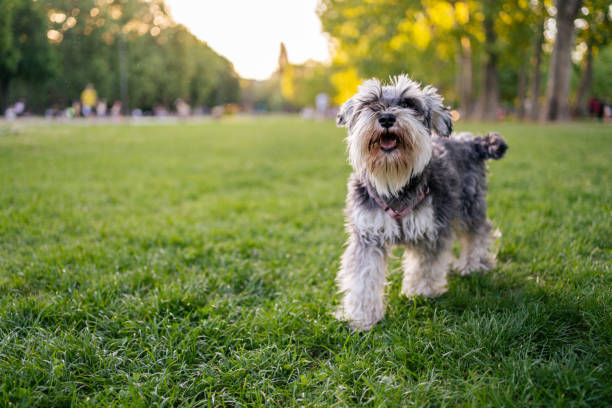
Miniature Schnauzer in public park

The Miniature Schnauzer is a true character, renowned for a personality that is as robust and engaging as their distinctive appearance. At their core, Miniature Schnauzers are friendly, outgoing, and possess a bright, cheerful disposition. They are highly intelligent and eager to please, making them surprisingly trainable despite their independent terrier spirit. This combination of traits means they form incredibly strong bonds with their families, thriving on companionship and interaction.

Originally bred as fearless rat-catchers, they retain a strong prey drive and an alert, vigilant nature. This instinct translates into excellent watchdog abilities; they are quick to sound the alarm if anything seems amiss, making them “very alert” guardians of their home. While muscular and fearless, they are generally not aggressive. With proper socialization from a young age, Miniature Schnauzers typically get along wonderfully with children and other pets, fitting seamlessly into diverse family structures. They are robust and playful, capable of keeping up with active kids, yet equally content to snuggle on the couch. Their charming face and lively demeanor make them beloved companions, constantly engaging their human family with their clever antics and affectionate gestures.

Is a Miniature Schnauzer Right For Your Family & Lifestyle?

Deciding on a dog breed is a significant commitment, and while Miniature Schnauzers bring immense joy, they also come with specific needs. Being brutally honest about whether a Mini Schnauzer fits your life is crucial for a happy companionship.

Caring for Your Miniature Schnauzer: Needs & Recommendations

Providing comprehensive care for your Miniature Schnauzer involves attention to their diet, exercise, grooming, and continuous training. Addressing these areas thoughtfully will ensure a happy, healthy, and well-adjusted companion.

Diet & Nutrition

Proper nutrition is foundational to your Miniature Schnauzer’s health. For puppies, it’s generally recommended they eat 3-4 times a day to support their rapid growth and high energy. Adult Miniature Schnauzers, however, typically thrive on half a cup of high-quality dry dog food, served two times a day. Always choose a premium dog food formulated for small breeds, as this will provide the appropriate balance of nutrients for their specific metabolic needs. Monitor their weight and adjust portions as necessary to prevent obesity, which can exacerbate certain health conditions. Consulting with your veterinarian about the best food for your individual dog, especially given their proneness to conditions like hyperlipidemia, is always a wise step.

Exercise Requirements

Miniature Schnauzers are lively and active dogs that require a moderate amount of daily exercise to maintain their physical and mental well-being. Beyond daily walks, which are a must, they benefit greatly from additional activities. Providing a securely fenced area where they can be let off-leash to run, play fetch, and simply romp around freely is ideal, especially given their high prey drive that makes off-leash excursions in unsecured areas risky. They are sturdy and athletic for their size, making them excellent candidates for various dog sports such as rally, agility, and obedience. These activities not only provide physical exertion but also crucial mental stimulation, which is vital for this intelligent breed. If you lead an active lifestyle, your Miniature Schnauzer will likely be thrilled to keep pace, as they simply love the opportunity to do something active alongside their family.


Grooming

Despite being low-shedding, Miniature Schnauzers have high grooming needs. Their distinctive double coat—a soft, woolly undercoat and a wiry topcoat—requires consistent attention. Brushing your Mini Schnauzer a few times a week is usually sufficient to prevent tangles and matting. While they typically only need a bath once a month or as needed, professional grooming is essential every 4 to 8 weeks to maintain their coat’s health and appearance. Show dogs may even require hand-stripping of their coat. Beyond coat care, regular maintenance includes monthly nail trimming, ensuring they don’t click on the floor, and weekly ear checks and gentle cleaning to prevent infections, which floppy ears can be more prone to. Dental hygiene is particularly critical for Miniature Schnauzers as small breeds are often more susceptible to dental disease. Daily brushing with an enzyme toothpaste is paramount, supplemented by vet-approved dental treats or chews, and regular professional cleanings as advised by your vet.

Training & Socialization

Miniature Schnauzers are highly trainable dogs, making them a good fit for owners of all experience levels. Their high intelligence and eagerness to please mean they pick up on commands quickly. However, this intelligence also means they can get bored easily, so it’s important to keep training sessions interesting and varied. Consistency, patience, and positive reinforcement are key; reward-based training with hidden treats works best. Early and ongoing training and socialization are crucial to help your puppy develop into a well-rounded and well-behaved adult dog. Puppy training classes are not only beneficial for learning commands but also provide excellent socialization opportunities. They are generally considered one of the easier small breeds to potty train, especially with a consistent schedule (taking them out after meals, naps, and playtime, every few hours) and the use of puppy pads in a confined space if you’ll be away for a while. Always pay attention to their body language to gauge their engagement and understanding.

Health & Lifespan: What to Expect

Miniature Schnauzers are generally considered a relatively healthy breed, often living a full lifespan of 12 to 15 years. However, like all breeds, they can be predisposed to certain genetic health conditions. Being aware of these potential issues allows prospective owners to make informed decisions and work proactively with their veterinarians.

Common concerns include:

  • Cataracts: A clouding of the eye lens that can impair vision.
  • Urinary Stones: Can form in the bladder or kidneys, leading to discomfort and potential blockages.
  • Liver Shunts: A condition where blood bypasses the liver, preventing proper detoxification.
  • Pancreatitis: Inflammation of the pancreas, often linked to dietary fat.
  • Hyperlipidemia: High levels of fats (lipids) in the blood, which can contribute to pancreatitis.

At PuppyGuyz, we strongly emphasize the importance of responsible breeding practices. Reputable breeders will diligently screen their breeding dogs for these genetic health issues to minimize the chance of passing them on to puppies. We encourage all potential owners to inquire about the health and genetic history of the puppy’s parents and to request relevant health test results. For Miniature Schnauzers, the American Miniature Schnauzer Club recommends an ophthalmologist evaluation as a minimum screening to address eye health. By choosing a puppy from a breeder committed to health and transparency, you significantly increase the likelihood of bringing home a healthy, happy companion.

The History of the Miniature Schnauzer: From Germany to Your Home

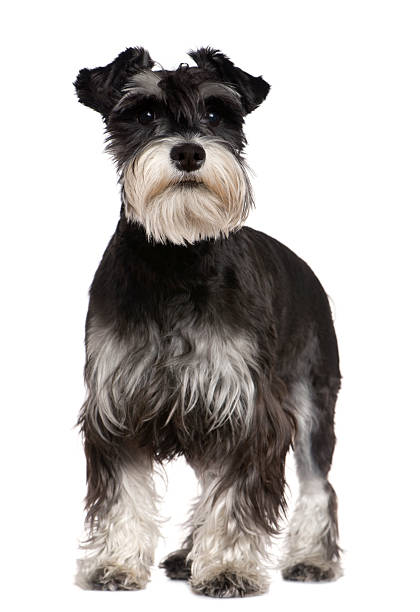
Miniature Schnauzer, 10 months old, standing in front of white background.

The captivating Miniature Schnauzer traces its origins back to Germany, specifically in the mid-19th century. This breed is the smallest in a trio of Schnauzer varieties, which also includes the Standard and Giant Schnauzer. Farmers of the time, seeking a more effective and compact “rat-dog” to control pests around their properties, began crossing the larger Standard Schnauzer with smaller breeds such as the Affenpinscher and Poodles. This deliberate breeding resulted in the miniature-sized, wiry-haired terrier we know today, perfectly suited for its original pest-control duties.

The Miniature Schnauzer quickly gained popularity beyond the farm due to its intelligence, adaptability, and charming personality. In 1926, the American Kennel Club officially recognized the Miniature Schnauzer as a member of the Terrier Group. While no longer primarily working as rat-catchers, their sharp instincts and alert nature remain. Today, they are cherished predominantly as beloved family pets and devoted companion dogs, as well as successful show dogs, celebrated for their spirited character and enduring loyalty. It’s a fun fact that Miniature Schnauzers have been the adored pets of many notable figures, including Mary Tyler Moore, Bruce Lee, and Bob Dole, a testament to their universal appeal.

Meet Our Available Miniature Schnauzer Puppies

Ready to welcome a delightful Miniature Schnauzer into your life? Our available puppies are waiting to find their forever homes. Each puppy comes from ethically screened parents, raised with love and care to ensure they are healthy, well-socialized, and ready to become your new best friend. Browse our current selection and discover the perfect addition to your family.

View all Available Puppies


Find a Miniature Schnauzer Near You

PuppyGuyz offers convenient nationwide home delivery, so you can find your perfect Miniature Schnauzer no matter where you live. While we deliver across the country, here are some major states where our happy puppies have found homes:

Looking for a Miniature Schnauzer puppy in your area? We deliver healthy, well-socialized puppies to families across the United States. Explore our available puppies by state to find the perfect addition to your family:

click here to Check all States

Your Comprehensive Miniature Schnauzer FAQ

Have more questions about the Miniature Schnauzer? We’ve compiled the most common inquiries to provide you with all the information you need to confidently welcome this wonderful breed into your home.

Are Mini Schnauzers good pets?

Absolutely! Miniature Schnauzers are widely regarded as wonderful pets. They are often well-behaved, incredibly lovable, and bring immense joy to most households. Known for their friendly, intelligent, and affectionate nature, they make excellent companions for families, singles, and seniors alike. Their natural alertness and protective instincts also make them fantastic watchdogs, always ready to notify you of anything unusual.

Do Miniature Schnauzers bark a lot?

Miniature Schnauzers do have a reputation for being vocal and may bark more frequently than some other dog breeds. This tendency stems from their natural awareness and protective instincts, causing them to bark when they detect unfamiliar sights or sounds, or when they feel the need to alert their owners to potential hazards. While this trait makes them effective watchdogs, consistent training from a young age can help manage excessive barking.

Does a Miniature Schnauzer shed?

Yes, Miniature Schnauzers do shed, but the good news is, it’s very minimal! They are considered a low-shedding breed, which is a significant advantage for individuals who suffer from allergies. While no dog is truly “hypoallergenic,” Miniature Schnauzers often cause fewer allergic reactions compared to heavy-shedding breeds. However, their low shedding doesn’t mean low maintenance; they still require regular grooming to keep their coat healthy and free of mats.

mats. How often should a Miniature Schnauzer be groomed?

Due to their wiry double coat, a Miniature Schnauzer should ideally be professionally groomed every 4 to 6 weeks. In between professional appointments, it is highly beneficial to brush their coat a couple of times a week. This regular home brushing helps prevent tangles and matting, keeps their coat healthy, and reduces any minimal shedding.

Are Miniature Schnauzers high maintenance?

Miniature Schnauzers can be considered moderately high maintenance, primarily due to their specific grooming requirements, consistent exercise needs, and their potential for excessive barking if not properly trained. Regular brushing, stripping, or clipping of their wiry coat is necessary. Furthermore, they thrive on consistent training, early socialization, and daily mental and physical stimulation to ensure they remain happy, healthy, and well-behaved companions.

How long does a Miniature Schnauzer live?

On average, a Miniature Schnauzer’s lifespan ranges from 12 to 15 years. With proper nutrition, regular veterinary care, adequate exercise, and a loving home environment, many Miniature Schnauzers can enjoy a long and healthy life.

How big is a Miniature Schnauzer?

A fully grown Miniature Schnauzer is a small but sturdy dog. Male Miniature Schnauzers typically stand between 12 to 14 inches tall at the shoulder, while females generally range from 11 to 13 inches in height.

How much does a Miniature Schnauzer weigh?

The weight of a Miniature Schnauzer varies slightly by sex. A male Miniature Schnauzer usually weighs anywhere between 11 to 18 pounds, whereas a female typically weighs between 10 to 15 pounds.

How to train a Miniature Schnauzer?

Training Miniature Schnauzer puppies requires patience, consistency, and a strong bond with your dog. It’s best to start training as young as possible, keeping in mind that puppies have short attention spans. Make sure to keep sessions engaging and use and repeat the same command words clearly. They respond best to positive reinforcement techniques, so always reward them promptly with praise and hidden treats when they perform correctly. Pay close attention to their body language to understand their responses and engagement with commands.

How much should a Miniature Schnauzer eat?

For Miniature Schnauzer puppies, it’s recommended to feed them at least 3-4 times a day to support their growth. Adult Miniature Schnauzers typically need about half a cup of high-quality dry dog food, served two times a day. Always adjust portion sizes based on your dog’s age, activity level, and individual metabolism to maintain a healthy weight.

Are Mini Schnauzers hard to potty train?

Mini Schnauzer puppies are generally not hard to potty train; in fact, they are considered one of the easier small dog breeds to housebreak. The key to success is consistency and establishing a routine. Dogs are creatures of habit, so putting them on a predictable schedule for feeding and potty breaks is incredibly helpful. Take your puppy out frequently—after meals, naps, and playtime, or at least every few hours. If you anticipate being away for an extended period, puppy pads placed within a confined space can provide a convenient and accessible bathroom option.