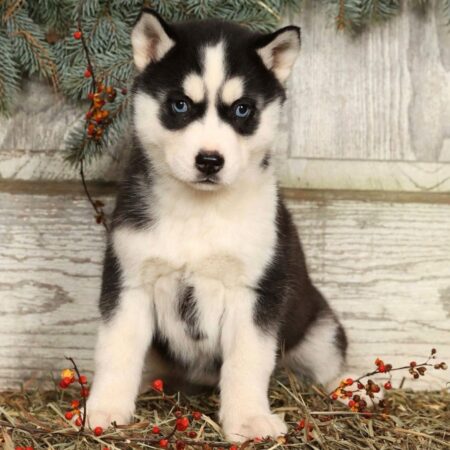
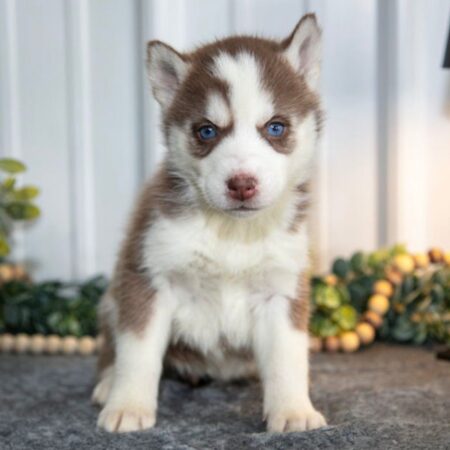
Paperanian at a Glance: Quick Facts

The Soul of a Paperanian: Temperament and Personality

little dog pomeranian. lovely puppy at home. animal concept.

The Paperanian is a true giant in a tiny package, inheriting a rich blend of traits from its distinguished parent breeds. These dogs are consistently described as friendly, alert, and inherently happy, bringing an abundance of joy and amusement to any household fortunate enough to host them. They possess a keen intelligence, coupled with an insatiable curiosity that makes every day an adventure. Paperanians are known for their strong bond with their human companions, often becoming cherished “shadows” who love to interact, play, and cuddle on laps. Their affectionate nature makes them exceptional emotional support animals and devoted family members.

While predominantly sweet and eager to please, the Paperanian may occasionally exhibit a slight stubborn streak, a charming remnant of their Pomeranian lineage. This doesn’t diminish their overall trainability but suggests a need for consistent, positive reinforcement methods. Despite their small stature, they carry themselves with a lively and adaptable persona, capable of thriving in various environments, from bustling city apartments to quieter suburban homes. Their inquisitive minds and playful antics ensure there’s never a dull moment with a Paperanian by your side. They are ideal companions for those seeking a highly interactive and loving canine friend.

Is a Paperanian Right For Your Family & Lifestyle?

Choosing a dog is a significant decision, and ensuring a harmonious match between a Paperanian and your lifestyle is paramount for both your happiness and theirs.

Caring for Your Paperanian: Needs & Recommendations

Providing comprehensive care for your Paperanian ensures a long, happy, and healthy life together.

Diet & Nutrition

Given their petite size, Paperanians are more economical to feed, but quality is key. For an adult Paperanian, approximately ¼ to ½ cup of high-quality dry kibble, divided into two meals per day, typically suffices. Some sources suggest up to 1 cup, but always consult your veterinarian to determine the precise caloric and nutritional needs for your individual dog based on their age, activity level, and metabolism. Prioritize dog foods that list a high-quality protein source as the first ingredient and avoid those with artificial flavors, colorings, or preservatives. It’s imperative to feed the appropriate amount daily to prevent obesity, which can exacerbate other health issues. Age-appropriate food is also crucial to ensure they receive proper nutrients at every life stage, from puppyhood to their senior years. While homemade meals can be an option, they should only be undertaken with professional veterinary guidance to ensure a balanced diet.

Exercise Requirements

Despite their small stature, Paperanians are quite active and enjoy playtime. While they don’t demand extensive, high-impact exercise, daily physical activity is essential. Short walks or gentle jogs, lasting around 20 minutes twice a day, are ideal for meeting their outdoor exercise needs. Given their intelligence and agility, indoor games are also highly beneficial. Keep plenty of engaging toys in the home, and actively participate in games of fetch or tug-of-war. Interactive puzzle toys are an excellent way to provide crucial mental stimulation for these bright canines, preventing boredom and potential behavioral issues. They love to learn new tricks and excel in indoor agility courses, further burning calories and engaging their minds.

Grooming

The Paperanian’s coat can vary depending on which parent breed’s genes are more dominant. Some may inherit the Papillon’s single, long, silky coat, while others might have the Pomeranian’s thick, double coat. Regardless of the type, both benefit from regular grooming. Weekly brushing with a slicker brush is recommended to prevent matting and tangling, keeping their luxurious coat healthy and shiny. A significant perk is that Paperanians are generally low-shedders, making them a more appealing choice for those with allergies.

Beyond coat care, dental hygiene is paramount for small breeds like the Paperanian. Their teeth should be brushed three to four times per week using a toothpaste specifically formulated for dogs (never human toothpaste, as it can be toxic). While dental treats can be a helpful supplement, they should never replace regular brushing. Additionally, weekly checks and cleaning of their ears are necessary to prevent infections, and their nails should be trimmed regularly to prevent discomfort and mobility issues. For those who prefer, professional groomers are an excellent resource for all their grooming needs.

Training & Socialization

Paperanians are intelligent dogs with a high capacity for learning, making them generally easy to train. However, consistency and patience are vital, especially given the potential for a slight stubborn streak inherited from the Pomeranian. Early socialization is paramount; expose your Paperanian puppy to a variety of sounds, sights, people, and other well-behaved pets from a young age. This helps them grow into confident, well-adjusted adults who are comfortable in diverse situations.

House training can sometimes present a challenge due to their small bladders, necessitating frequent, consistent potty breaks and positive reinforcement. Never “baby” a small dog; they need the same clear boundaries and consistent training as a larger breed to prevent the development of “small dog syndrome” or undesirable behaviors like excessive barking or snapping. With a firm yet gentle hand and positive reinforcement methods, Paperanians excel in obedience training and can even thrive as therapy dogs or in agility competitions, showcasing their athletic prowess and sharp minds.

Health & Lifespan: What to Expect

Paperanians, benefiting from the genetic diversity of a hybrid, generally boast robust health and a long lifespan of 12 to 16 years. Both the Papillon and Pomeranian parent breeds are known for their longevity and relatively few health concerns. However, like all breeds, Paperanians can be predisposed to certain inherited conditions. Responsible breeders conduct thorough health screenings of their breeding dogs to minimize the risk of passing these conditions to puppies.

Other potential health concerns include:

  • Patella Luxation: A common condition in small breeds where the kneecap slips out of place.
  • Cataracts: A clouding of the eye lens that can lead to vision impairment or blindness.
  • Hypothyroidism: A condition affecting metabolism due to an underactive thyroid gland.
  • Von Willebrand’s Disease: A genetic blood-clotting disorder.
  • Congestive Heart Failure: A weakening of the heart muscle, more commonly seen in senior dogs.
  • Collapsed Trachea: A narrowed windpipe that can cause breathing difficulties and wheezing.

While this list might seem daunting, it’s important to remember that not every Paperanian will develop these issues. Regular veterinary check-ups, a high-quality diet, and appropriate exercise are crucial for maintaining your dog’s overall health and well-being throughout their life.

The History of the Paperanian: From Designer Origins to Your Home

Cute mixed breed spitz puppy in a burlap sack on a creme colored background

The Paperanian is a relatively modern “designer dog” breed, intentionally created by crossing two beloved toy breeds: the elegant Papillon and the spirited Pomeranian. Unlike ancient breeds with long, documented histories, the Paperanian’s story is one of purposeful combination, aiming to blend the best traits of its parentage.

The Papillon, originating in Europe, is known for its distinctive butterfly-like ears and graceful demeanor, often favored by royalty and nobility. The Pomeranian, a descendant of larger Arctic Spitz-type dogs, hails from the Pomerania region (now part of Poland and Germany) and was miniaturized over centuries to become the fluffy, lively companion we know today. The Paperanian, often considered an F1 generation hybrid (meaning a direct cross of two purebred parents), emerged as breeders sought to combine the Papillon’s agility and trainability with the Pomeranian’s spirited personality and luxurious coat, creating a charming, intelligent, and adaptable small dog that is perfectly suited for modern homes.

Meet Our Available Paperanian Puppies

Ready to welcome a bundle of joy into your life? Our Paperanian puppies are raised with love and care, ready to bring boundless affection and charming personalities to your family. Explore our current selection of available Paperanian puppies and find your new best friend!

View all Available Puppies

Find a Paperanian Near You

PuppyGuyz offers safe and convenient nationwide home delivery, making it easier than ever to find your perfect Paperanian puppy, no matter where you are. We partner with ethical breeders across the country to bring healthy, happy puppies directly to your door.

Looking for a Paperanian puppy in your area? We deliver healthy, well-socialized puppies to families across the United States. Explore our available puppies by state to find the perfect addition to your family:

click here to Check all States

Your Comprehensive Paperanian FAQ

Here are some of the most common questions about the Paperanian, answered by the experts at PuppyGuyz:

What is a Paperanian?

A Paperanian is a hybrid or “designer dog” breed that results from crossing a purebred Papillon with a purebred Pomeranian. These are typically F1 generation dogs, meaning their parents are two different purebred dogs.

How long does a Paperanian live?

Paperanians generally have a robust lifespan, living anywhere from 12 to 16 years, with proper care and nutrition.

Does a Paperanian shed?

Yes, Paperanians do shed. However, they are considered low-shedding dogs, which can be a benefit for those concerned about pet hair.

Are Paperanians hypoallergenic?

Paperanians often qualify as hypoallergenic dogs due to their low-shedding coats. This makes them a more suitable choice for individuals who experience allergies to pet dander, though no dog is 100% hypoallergenic.

How big can a Paperanian get?

A Paperanian typically stands between 6 to 11 inches tall at the shoulder. Due to their small size and delicate build, they are classified as toy dog breeds.

How much does a Paperanian weigh?

An adult Paperanian usually weighs between 3 to 11 pounds. Their exact weight can depend on genetics and individual build.

Do Paperanians bark a lot?

Paperanians can have a tendency towards excessive barking, often referred to as “yap yap” syndrome in small breeds. This can be an issue if they are not properly trained or if they suffer from separation anxiety, loneliness, or boredom. They are also alert and will bark at strangers, making them good watchdogs.

Are Paperanians aggressive?

Generally, Paperanians are not considered an aggressive breed. They are typically friendly and affectionate. While they may sometimes be a bit standoffish with strangers, they do not harbor hostility or aggressive temperaments. Proper socialization from a young age is crucial to ensure their well-adjusted behavior.

Are Paperanian dogs smart?

Yes, Paperanians are highly intelligent dogs, inheriting keen minds from both their parent breeds. The Papillon is notably ranked among the top 10 smartest dog breeds, and the Pomeranian also scores highly in canine intelligence rankings.

Are Paperanians easy to train?

Training a Paperanian can be somewhat unpredictable depending on which parent’s traits they inherit more strongly. While Papillons are known for being very easy to train, Pomeranians can be a bit more challenging due to their independent and sometimes stubborn nature. Consistent, positive reinforcement training is essential, and it’s important not to “baby” them; treat them with the same firm but gentle consistency you would a larger dog to prevent undesirable behaviors.