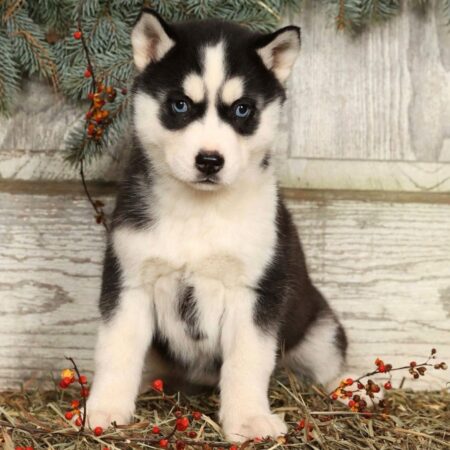
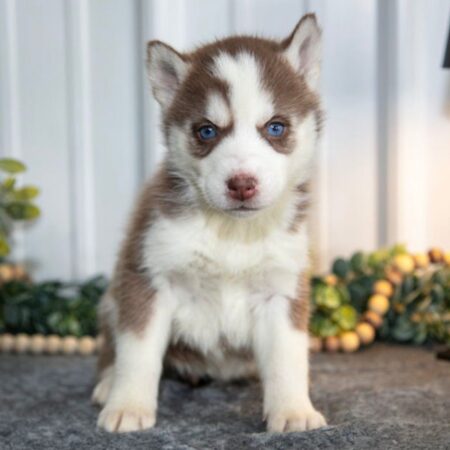
Pomsky at a Glance: Quick Facts

The Soul of a Pomsky: Temperament and Personality

istockphoto 1272565000 612x612

The Pomsky is more than just an adorable face; they possess a personality that’s as captivating as their appearance. As a designer breed, their temperament is a delightful mix, drawing from the bold and intelligent Siberian Husky and the lively and affectionate Pomeranian. This combination results in a dog often described as a “cute and adorable comedian,” full of zest for life and a big personality.

Pomskies are known for being highly intelligent, eager to engage in playful antics, and thrive on being the center of attention within their family. They are generally sensitive and deeply affectionate, forming strong bonds with their human companions. While they get along well with other dogs and can adapt to coexisting with cats (especially with early introduction and proper socialization), their protective and alert nature often makes them excellent watchdogs. However, prospective owners should be aware of their vocal tendencies. Both parent breeds are known for their communication – Pomeranians for their barking and Huskies for their varied vocalizations including howling. A Pomsky will certainly let you know when they observe something noteworthy, so early training to manage excessive barking or howling is crucial. It’s also important to remember that some Pomskies may inherit the Siberian Husky’s famous high prey drive and desire to explore, leading to an urge to wander or display escape artist tendencies. Their confident demeanor, combined with their playful and sometimes stubborn streak, makes them a lively and engaging companion for the right household.

Is a Pomsky Right For Your Family & Lifestyle?

Deciding if a Pomsky is the right fit for your home requires an honest look at their needs and your lifestyle. While undeniably charming, these intelligent and energetic dogs thrive in specific environments.

Caring for Your Pomsky: Needs & Recommendations

Providing comprehensive care for your Pomsky ensures a happy, healthy, and well-adjusted companion. Their unique blend of traits means their care routine is distinct and requires dedication.

Diet & Nutrition

A high-quality commercial dog food appropriate for their age, size, and activity level is generally recommended for Pomskies. Look for formulas that list real meat as the first ingredient and avoid fillers like corn, wheat, and soy. Due to their energetic nature, they may benefit from a diet that supports high activity. Always follow portion recommendations on the food packaging, adjust as needed based on your dog’s weight and energy, and consult your veterinarian for personalized dietary advice, especially for puppies or dogs with specific health needs. Fresh water should always be available.

Exercise Requirements

Pomskies typically have a moderate to high energy level, depending on which parent breed they favor. While a Pomeranian might be content with moderate activity, a Pomsky leaning more towards their Siberian Husky lineage will require substantial exercise. In general, daily walks coupled with energetic playtime and additional activities are usually sufficient. Don’t underestimate their athleticism; a Pomsky can run up to 15 miles per hour! To keep them mentally and physically stimulated, explore various activities such as jogging alongside you, going on hikes, visiting a dog park (once properly socialized), or even swimming. They also excel in dog sports like agility, flyball, or obedience, which provide excellent outlets for their intelligence and energy, even if they can’t compete in official AKC events as a designer breed.


Grooming

Given their double coat, Pomskies are high-maintenance when it comes to grooming and are known to be heavy shedders, especially during seasonal coat blows in spring and winter. Daily brushing is essential to remove loose fur, keep their coat healthy, and significantly reduce the amount of hair around your home. Investing in quality dog grooming brushes, like a slicker brush and an undercoat rake, will make this task easier and more effective.

Beyond their coat, regular care for their nails, ears, and teeth is crucial. Nail trims once or twice a month are typically needed to prevent overgrowth, which can lead to pain and discomfort. Weekly checks of your Pomsky’s ears should ensure they are dry, clean, and free of debris; carefully cleaning them as needed can help prevent ear infections. Proper dental care is paramount to prevent painful dental diseases like gum disease and tooth decay. Daily brushing with an enzyme toothpaste is ideal, supplemented with professional cleanings at the vet as recommended. This is particularly important for small dog breeds like the Pomsky, as their smaller mouths can be more prone to dental-related issues. You might also discuss dental hygiene chews or specialized “dental care diets” with your vet to complement their oral health routine.

Training & Socialization

Pomskies are intelligent dogs that pick up on things quickly, making them moderately trainable. However, they can inherit a stubborn streak from their Siberian Husky side. This combined with their high energy and tendency to get bored easily can present a challenge for first-time dog owners. For this reason, novice owners are strongly encouraged to enroll in puppy training classes or work with a professional dog trainer. Pomskies respond best to patient, consistent, and positive training techniques that focus heavily on rewards and praise. Early and consistent socialization is vital for any dog breed, and for a Pomsky, it is particularly important for curbing excessive alert barking, managing potential prey drive, and ensuring they are well-adjusted around people and other animals. Starting early with consistent rules and a positive approach will yield the best results for a well-behaved Pomsky.

Health & Lifespan: What to Expect

While mixed-breed dogs can sometimes be healthier than purebreds due to a wider genetic pool, this is not a guarantee. Pomskies, like any breed, can inherit health conditions common to one or both of their parent breeds. Being aware of these potential issues allows you to be proactive in your Pomsky’s care.

Common concerns include:

  • Cataracts: Clouding of the eye lens, potentially leading to vision impairment.
  • Corneal Dystrophy: A group of genetic eye disorders affecting the cornea.
  • Hip Dysplasia: A malformation of the hip joint, which can lead to arthritis and pain.
  • Patellar Luxation: A condition where the kneecap dislocates from its normal position.
  • Allergies: Can manifest as skin issues, itching, or digestive upset.

A healthy Pomsky generally lives for 12 to 15 years on average. The health of your puppy is significantly influenced by the breeding practices of the parents. Reputable breeders meticulously screen their breeding dogs for genetic conditions to prevent passing preventable issues to their puppies. When choosing a Pomsky puppy, always ask about the health and genetic history of the parents, and inquire about any health tests or clearances that have been performed. This transparency is a cornerstone of responsible breeding and gives your puppy the best start in life.

The History of the Pomsky: From Experiment to Your Home

Pomsky dog sitting against white background

The Pomsky is a relatively new and intentionally developed hybrid breed, making its history a modern one. This captivating canine is a cross between two distinct and popular purebreds: the spirited Pomeranian and the striking Siberian Husky. The primary goal behind creating the Pomsky was to capture the best traits, beauty, and personality of the Siberian Husky – particularly their wolf-like appearance and playful nature – but in a much smaller, more apartment-friendly size.

While unofficial crosses might have occurred earlier, the first recorded litter of Pomsky puppies in the United States emerged in 2012. Since then, their popularity has surged, leading to increased recognition by various designer breed organizations such as the Pomsky Club of America and the International Pomsky Association, even though they are not currently recognized by the American Kennel Club. What began as a careful breeding endeavor has blossomed into a beloved designer breed, bringing the charm of Arctic dogs into homes across the country.

Meet Our Available Pomsky Puppies

Ready to find your new best friend? Our carefully selected Pomsky puppies are waiting to bring joy and companionship to their forever homes. Each puppy comes from ethical breeders who prioritize health and temperament. Browse our adorable selection and discover the perfect Pomsky to complete your family!

View all Available Puppies

Find a Pomsky Near You

PuppyGuyz offers nationwide home delivery, making it easy to find your perfect Pomsky puppy no matter where you are. We work with reputable breeders across the country to bring you healthy, happy puppies. While we deliver anywhere, here are some of the states where our Pomsky puppies are often available:

Looking for a Pomsky puppy in your area? We deliver healthy, well-socialized puppies to families across the United States. Explore our available puppies by state to find the perfect addition to your family:

click here to Check all States

Your Comprehensive Pomsky FAQ

Have more questions about the wonderful Pomsky? We’ve compiled the most common inquiries to provide you with all the answers you need!

What exactly is a Pomsky?

A Pomsky is a designer dog breed that results from crossing a Siberian Husky with a Pomeranian. The intention behind this cross is to create a smaller dog with the desirable appearance and spirited personality of the Husky. They are sometimes affectionately referred to as “Huskeranians.”

How long do Pomskies typically live?

On average, a healthy Pomsky has a lifespan of 12 to 15 years. Proper nutrition, regular exercise, and consistent veterinary care can contribute to a long and healthy life.

Are Pomskies good family dogs?

Yes, Pomskies can make excellent family dogs. They are generally affectionate, intelligent, and possess a playful, funny demeanor. They tend to get along well with children and other animals, though they are often a better fit for families with older children due to their smaller size as puppies and the potential for accidental injury from rough play. Supervision during interactions with young children is always recommended.

Are Pomskies high maintenance?

Yes, Pomskies are considered a high-maintenance breed, primarily due to their significant grooming needs and relatively high energy levels. Their double coat requires daily brushing to manage shedding and prevent matting. They also need consistent daily exercise and mental stimulation to prevent boredom and destructive behaviors.

How big does a Pomsky dog get?

The size of a Pomsky can vary depending on the genetics inherited from their parents, but they typically stand between 10-15 inches tall and weigh between 17-30 pounds. While some breeders may specify “Micro,” “Teacup,” “Toy,” “Mini,” “Medium,” or “Standard” Pomskies with specific height ranges (e.g., Micro and Teacup often under 10 inches, Medium 10-15 inches, Standard 13-18 inches), a first-generation (F1) Pomsky is generally expected to be in the 17-30 pound range, a small dog breed, but not a toy-sized breed. They should not exceed 40 pounds when fully grown.

When do Pomsky puppies stop growing?

Pomsky puppies generally reach their full adult body size around their first birthday. While they might continue to fill out slightly with muscle development, their primary growth in height and length usually concludes by this age.

Do Pomsky dogs shed a lot?

Yes, Pomsky dogs are known for being medium-to-high shedding dogs. Both parent breeds, the Siberian Husky and the Pomeranian, have thick double coats. Pomskies will shed hair year-round, with significantly heavier shedding periods (known as “coat blows”) occurring seasonally, typically in spring and winter. Daily brushing is highly recommended to manage the loose fur.

Are Pomsky dogs hypoallergenic?

No, Pomsky dogs are not considered hypoallergenic. Because they are the offspring of two “big-shedding” breeds, they produce a notable amount of dander and loose fur, which are common triggers for individuals with pet allergies. They are generally not a suitable choice for allergy sufferers.

Can Pomsky dogs be aggressive?

Like any dog breed, Pomskies can exhibit aggressive behavior, though it is not a characteristic of the breed itself. Aggression in Pomskies can stem from various factors, including genetics (if one of their parents had aggressive tendencies), lack of proper socialization and training, stress, or improper handling. Early and consistent socialization and positive reinforcement training are crucial to ensure a well-adjusted temperament and prevent behavioral issues.

Are Pomsky dogs good with cats?

With early introduction, consistent training, and proper socialization, a Pomsky can get along well with cats. However, because they can inherit a moderate to high prey drive from their Siberian Husky parent, careful supervision during initial interactions is essential. Any issues that arise may sometimes be attributed to jealousy, requiring careful management from the owner.

Are Pomsky dogs smart?

Yes, Pomskies are very intelligent dogs. Their parent breeds contribute to their mental acuity: the Siberian Husky ranks highly among intelligent breeds, and the Pomeranian is also known for its quick wit. This intelligence means they can learn quickly, but it also means they require consistent mental stimulation to prevent boredom.