Pug at a Glance: Quick Facts

The Soul of a Pug: Temperament and Personality

pug dog

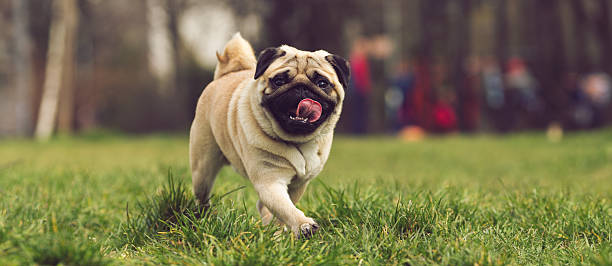
Pugs are renowned for their uniquely charming and comical personalities, often described as the “clowns of the canine world.” They are inherently good-natured, affectionate, and incredibly loyal to their families, thriving on human companionship. A Pug’s playful side is ever-present, coupled with a hint of charming mischief that keeps life interesting. They possess an outgoing and sociable disposition, readily getting along with children and other pets when properly socialized.

Their sensitive nature means they are often intuitive, capable of sensing their owners’ moods and offering comfort or playful antics as needed. Pugs are true companion dogs at heart, content to spend hours napping by your side or engaging in short bursts of energetic play. While not typically known for excessive barking, they are quite capable of being vocal if encouraged, so early socialization and consistent training can help shape their communication habits into alerts rather than nuisances. Their primary desire is to please their loved ones and be an integral part of family life, making them wonderfully devoted pets.

Is a Pug Right For Your Family & Lifestyle?

Choosing a dog is a significant decision, and understanding if a Pug aligns with your household is crucial. Pugs are exceptional companions, but like any breed, they have specific needs and characteristics to consider.

Caring for Your Pug: Needs & Recommendations

Providing proper care is essential for your Pug’s well-being, especially given their unique physical characteristics. Here’s a practical guide:

Diet & Nutrition

Pugs are famously enthusiastic eaters and are prone to obesity. Their love for food, combined with their brachycephalic (flat-faced) physiology that can sometimes limit vigorous exercise due to potential respiratory issues, makes weight management a critical aspect of their care.

  • Food Type: Feed your Pug high-quality dry dog food, preferably formulated for small breeds. If your budget allows, wet dog food can also be a healthy addition.
  • Portion Control: Closely monitor their caloric intake. Avoid free-feeding and stick to recommended portion sizes based on their age, weight, and activity level. Consult your veterinarian for personalized dietary advice.
  • Treats in Moderation: Limit treats as rewards to prevent excess calories. When offering treats, choose healthy options.

Safe Human Foods (in moderation): While commercial dog food should be their primary diet, small, cooked portions of human foods like eggs, sweet potatoes, spinach, carrots, broccoli, green beans, kale, strawberries, blueberries, and raspberries can be offered as occasional treats. Always research before introducing new human foods and avoid anything toxic to dogs (e.g., chocolate, grapes, onions).

Exercise Requirements

Pugs have a low to moderate energy level and are content with a relaxed lifestyle. They can easily become “couch potatoes” if not encouraged to move.

  • Daily Walks & Play: Generally, a couple of short daily walks (15-20 minutes each) and some indoor playtime are sufficient.
  • Heat Sensitivity: Due to their short snouts, Pugs are highly susceptible to overheating. Always exercise them during cooler parts of the day (early morning, late evening), provide plenty of fresh water, and avoid strenuous activity in warm or humid weather.
  • Short Bursts of Activity: Pugs may have bursts of playful energy but tire easily. It’s best to break up exercise into several short sessions throughout the day rather than one long one.
  • Supervision: Always supervise your Pug during outdoor activities, especially near water. While they have an innate paddling instinct, their body type and breathing issues make swimming dangerous. If in a pool, use a life vest and closely supervise.
  • Avoid Rough Play: Their small stature, bulging eyes, and snub noses make them vulnerable to injury during rough play.
  • Dog Sports (with caution): Some Pugs can enjoy light dog sports like agility or rally, but always consult your veterinarian before starting any new, intense physical activity to ensure it’s safe for your individual dog.
Grooming

Despite their short coats, Pugs are heavy-shedders year-round. Consistent grooming is key to managing shedding and maintaining their overall hygiene.

  • Brushing: Their smooth, glossy, fine, and soft coats benefit from weekly brushing, or even a few times a week, to remove loose fur. A rubber curry brush or a de-shedding tool works effectively.
  • Bathing: Bathe your Pug occasionally, or as needed, if they get particularly messy or start to develop an odor. Over-bathing can dry out their skin.
  • Nail Trims: Trim their nails regularly, typically once or twice a month, to prevent them from becoming too long, which can cause discomfort and gait issues.
  • Ear Cleaning: Pugs have floppy ears, which can trap moisture, dirt, and debris, making them prone to ear infections. Check their ears regularly (at least weekly) and clean them as needed with a vet-approved ear cleaner.
  • Face Wrinkle Care: Their iconic face wrinkles require special attention. Regularly check and gently clean the skin folds with a damp cloth (and dry thoroughly) to prevent moisture buildup, irritation, and bacterial growth.
  • Dental Hygiene: Daily teeth brushing is ideal to reduce tartar buildup and prevent dental disease. Start this routine when they are puppies to make it a positive experience. Regular veterinary dental check-ups are also crucial.
Training & Socialization

Pugs are generally considered easy to train and can be a good fit for owners of all experience levels, including first-time dog owners. Their eager-to-please nature helps them pick up commands relatively quickly.

  • Positive Reinforcement: Pugs are sensitive souls and do not respond well to harsh corrections or yelling. They thrive on positive reinforcement, praise, and, of course, treats! Keep training sessions fun, short, and engaging.
  • Consistency is Key: While they are smart (in their own adaptive way), they can get distracted easily and bored with repetitive tasks. Consistency in your commands and expectations is vital.
  • Early Socialization: Expose your Pug puppy to a variety of sights, sounds, people, and other well-vaccinated dogs from a young age. This helps them grow into well-adjusted, confident adults who get along with everyone.
  • Puppy Training Classes: Enrolling in puppy training classes is highly beneficial. It provides structured socialization, teaches basic obedience in a controlled environment, and strengthens the bond between you and your puppy.
  • House Training: While they can be trained, Pugs might take a bit longer to fully house train than some other breeds. Patience, consistency, and a regular schedule are crucial for success.

Health & Lifespan: What to Expect

Pugs are generally healthy dogs, with an average lifespan of 12 to 15 years. However, like all purebreds, they are predisposed to certain health conditions, largely due to their unique brachycephalic (flat-faced) structure and genetics. Being aware of these potential issues is key to proactive care.

Common concerns include:

        • Eye Problems: Their large, prominent eyes make them susceptible to conditions like corneal ulcers (scratches on the eye), dry eye, entropion (inward-rolling eyelids), and distichiasis (extra eyelashes).
        • Orthopedic Issues: Pugs can be prone to hip dysplasia (a malformation of the hip joint) and patellar luxation (slipping kneecap).
        • Pug Dog Encephalitis (PDE): A serious, inflammatory neurological disease unique to Pugs.
        • Spinal Issues: Conditions like hemivertebrae (misshapen vertebrae) can lead to spinal cord compression.
        • Obesity: Their love for food and lower exercise tolerance makes them prone to weight gain, which exacerbates other health issues, particularly respiratory and joint problems.
        • “Reverse Sneezing”: While alarming, this common condition where a Pug rapidly gasps and snorts is usually harmless and involves clearing their palate or throat. Gently massaging their throat can sometimes help shorten an episode.
        • Brachycephalic Obstructive Airway Syndrome (BOAS): This is the most significant health concern due to their flattened faces, which can cause breathing difficulties, especially in heat or during strenuous exercise. Symptoms include snoring, snorting, gagging, and difficulty breathing.

At PuppyGuyz, we are committed to promoting responsible breeding practices. Our network of ethical breeders screens their dogs extensively for genetic predispositions to these conditions. Recommended health tests from the Pug Dog Club of America and other reputable organizations often include a Pug Dog Encephalitis (PDE) DNA test, hip evaluations, ophthalmologist evaluations, and patella evaluations. Choosing a puppy from a breeder who conducts these screenings significantly reduces the risk of these inheritable conditions, ensuring you welcome a healthier companion into your home.

The History of the Pug: From China to Your Home

Pug, sitting and panting, 1 year old, isolated on white

The Pug boasts a fascinating and ancient lineage, tracing its origins back over 2,000 years to ancient China. These charming dogs were highly prized and bred specifically as refined companions for Chinese royalty, living in luxury alongside breeds like the Pekingese and Shih Tzu. For centuries, Pugs were considered national treasures, so revered that outsiders could only acquire one if it was bestowed upon them as a rare gift.

It was Dutch traders in the 16th century who first brought Pugs to Europe, igniting their popularity on the world stage. They quickly became the beloved mascot of Holland’s Royal House of Orange, a symbol of loyalty and good fortune. From there, as nobility traveled and intermarried, Pugs made their way to England and other European courts, becoming favorites among aristocrats and even inspiring artists and writers. The breed officially arrived in the United States in the 1800s and was recognized by the American Kennel Club (AKC) as part of the Toy Group in 1885. Today, the Pug remains a globally adored companion, celebrated for its unique appearance and endearing personality.

Meet Our Available Pug Puppies

Ready to welcome a playful and affectionate Pug into your life? Our PuppyGuyz network connects you with ethically bred Pug puppies from reputable breeders across the country. Browse our current selection of healthy, happy Pug puppies ready to find their forever homes.

View all Available Puppies


Find a Pug Near You

PuppyGuyz offers nationwide home delivery, bringing your perfect Pug puppy safely to your doorstep. Explore Pug puppies available in major states, connecting you with local and regional breeders through our trusted network.

Looking for a Pug puppy in your area? We deliver healthy, well-socialized puppies to families across the United States. Explore our available puppies by state to find the perfect addition to your family:

click here to Check all States

Your Comprehensive Pug FAQ

How long do Pugs typically live?

Pugs generally have a lifespan of 12 to 15 years, with proper care and nutrition contributing to their longevity.

Do Pugs shed a lot?

Yes, Pugs are considered heavy-shedding dogs. They will shed year-round, with shedding often increasing during spring and fall seasons, especially if they have a double coat. Regular grooming can help manage this.

Are Pugs considered hypoallergenic?

No, Pugs are not a hypoallergenic breed. Due to their heavy shedding, they are not a suitable choice for individuals who suffer from pet allergies.

How much do Pugs weigh?

Adult Pugs typically weigh between 14 and 18 pounds.

When do Pugs stop growing?

Pugs usually reach their full height around nine months of age, but they will continue to fill out and gain muscle mass until their first birthday.

Are Pugs good with children?

Yes, Pugs are generally excellent with children, making them a wonderful family dog. They are known for being gentle and playful. Their unique muzzle shape, while distinctive, also means they are unlikely to deliver an aggressive bite. However, like any breed, proper training and socialization are important to ensure they learn appropriate interactions, as sometimes playful behavior (like nipping at feet or lunging) can be misinterpreted.

Are Pugs aggressive?

Pugs are not known to be an aggressive breed. Any aggressive behavior observed in a Pug is typically a result of improper training or insufficient socialization. They may react out of fear, due to mistreatment, in response to other dogs, to establish dominance, to protect their personal space, or if they have not been spayed or neutered.

Are Pugs smart? How intelligent are they?

Pugs are considered to have a below-average intelligence when it comes to obedience training, ranking around 108th on some lists of dog intelligence. This doesn’t mean they aren’t smart, but rather that their intelligence manifests differently. They possess “adaptive intelligence,” meaning they are clever problem-solvers and learn effectively from their environment and experiences. They can be easily distracted and may become bored with repetitive training exercises.

Are Pugs good dogs for first-time owners?

Yes, Pugs are often considered one of the best dog breeds for first-time owners. They are eager to please, pick up on commands relatively quickly, and their manageable size and adaptable nature make them an approachable breed for novice owners.

Do Pugs bark a lot?

Opinions vary on whether Pugs bark excessively. Some owners report them being quite vocal, while others find them to be on the quieter side. All dogs bark, and a Pug’s tendency to bark can be influenced by training and socialization. With early training, barking can be managed to be more of an alert rather than a constant nuisance.

Can Pugs swim safely?

While Pugs have an innate paddling instinct like most dogs, their brachycephalic body type and tendency for breathing difficulties make swimming a high-risk activity for them. They can easily get out of breath and struggle to stay afloat. If your Pug is near water, constant and direct supervision is absolutely essential, and a life vest is highly recommended.

Are Pugs easy to train?

Pugs are trainable, but the process may not always be easy due as they can get distracted and bored with repetition. The key to successful Pug training involves using positive reinforcement, keeping sessions short and engaging, and always having a tasty treat on hand to reward good behavior. Their sensitive nature means harsh corrections are ineffective and should be avoided.